
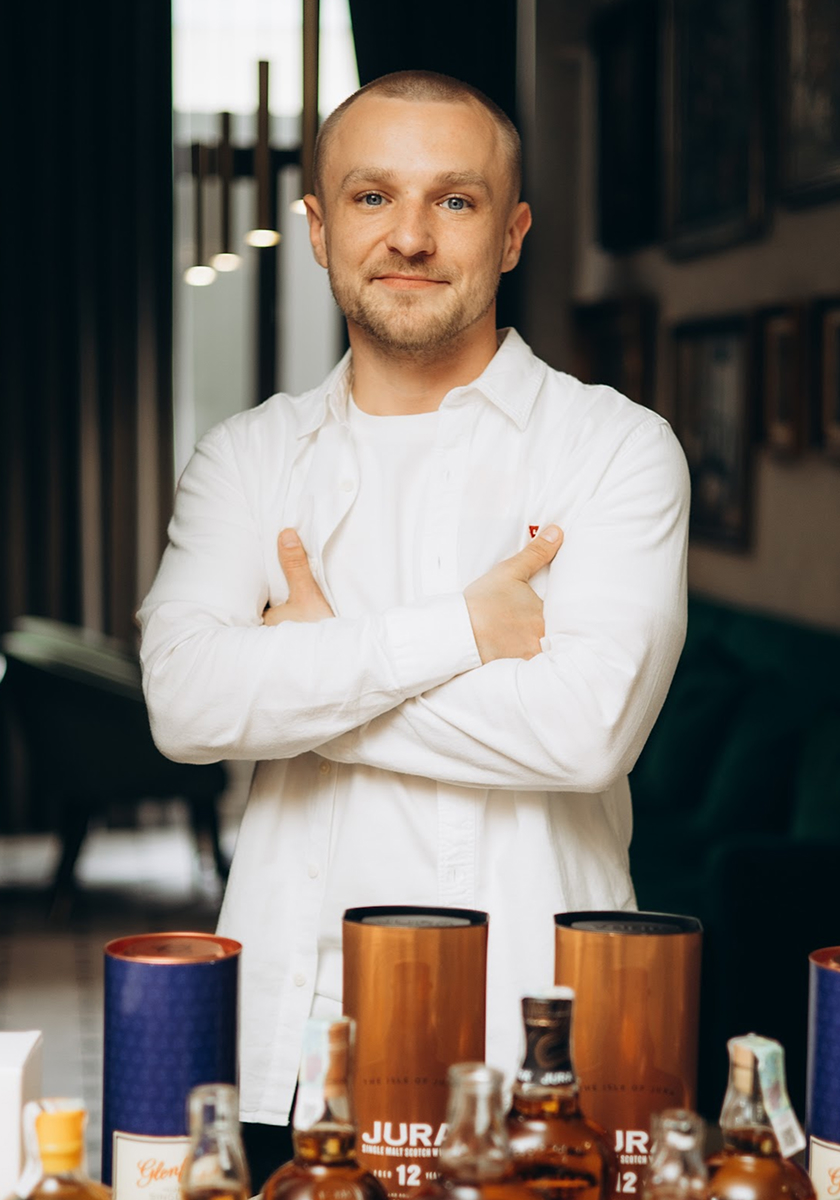
Matthew Tesov
Nice to Meet You!
A sommelier and wine expert with over seven years of experience in the wine industry, founder of Wine Academy, and author of courses that combine professional depth of knowledge with a relaxed, friendly atmosphere. Known simply as Matthew to his friends, he opens the door to the world of wine in such a way that every lecture or tasting becomes an exciting journey through aromas, flavors, and stories.
How to Taste Wine Properly
Let us be honest: almost everyone has felt awkward at least once in a restaurant when a sommelier solemnly pours a tiny splash into the bottom of the glass for you to taste. You take a sip, put on your most serious expression, and have only one thought in your head: “Well… it tastes like wine.”
The ability to taste wine is not some inborn gift reserved for a chosen few. It is an ordinary skill that you can develop at home if you know a simple process and stop overcomplicating it.
Why Taste Wine at All?
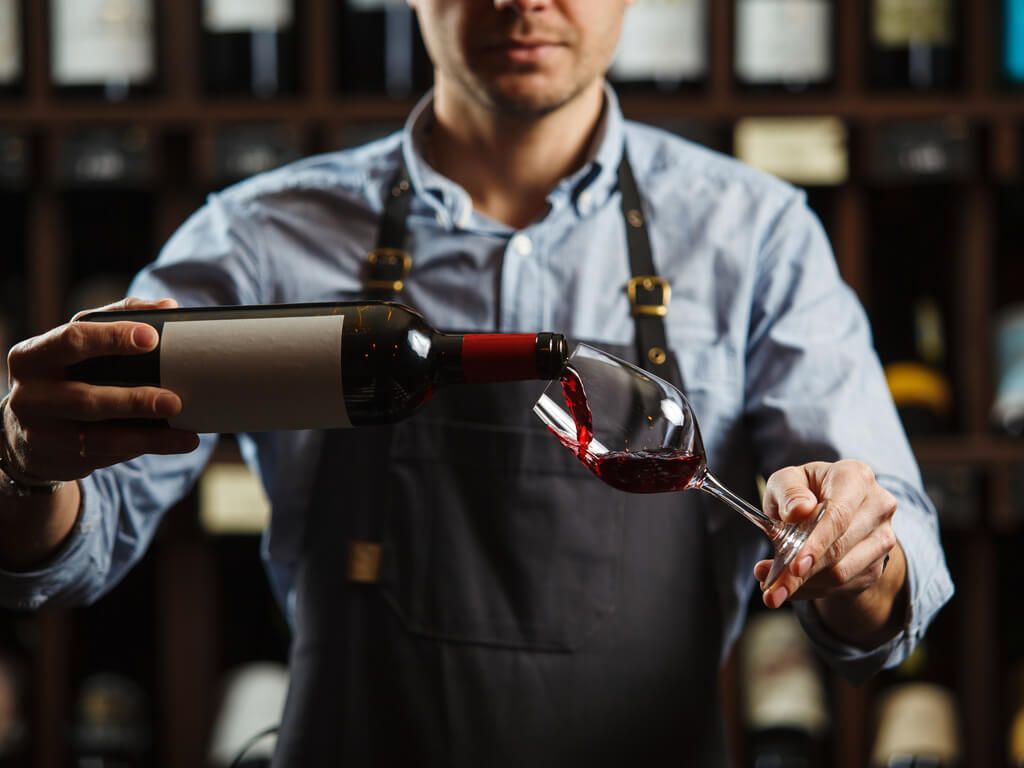
Why all the swirling, staring at the color, and making thoughtful noises? Can you not just pour the wine and drink it? Of course you can. But tasting is about something else. It is a way to slow down and use your senses more deliberately.
When you drink wine attentively, you start noticing details that used to pass your senses by. You learn what you genuinely enjoy. After a few experiments like this, your palate becomes more trained, you remember the wines you liked, and over time you stop choosing bottles at random.
Preparing for a Tasting
Before you open the bottle, it helps to create the right conditions. Even an excellent wine can be completely ruined if it is served badly.
Choosing the Right Glass
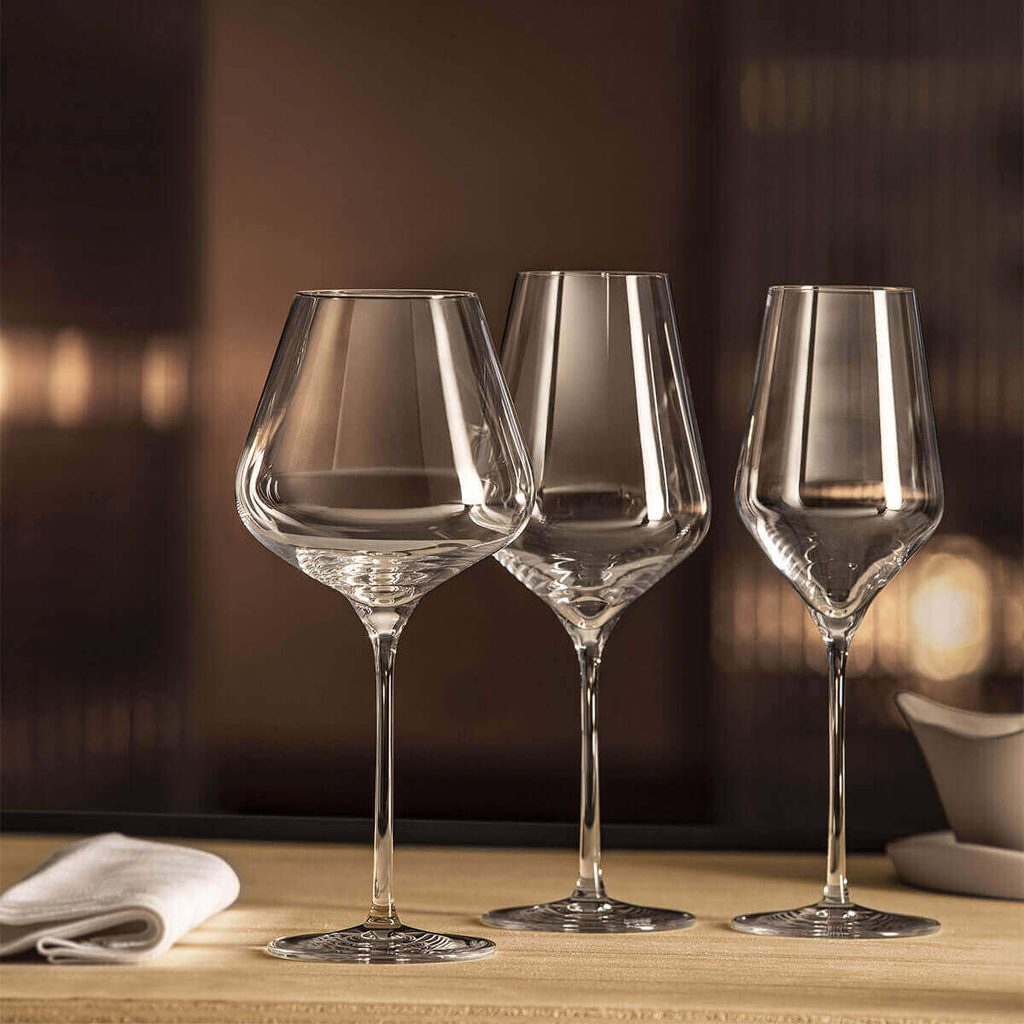
The glass affects your perception more than you might think. An ideal option is clear, thin glass in a tulip shape that narrows slightly toward the top. This shape gathers the aromas and directs them toward your nose.
One more important point: do not fill the glass to the top. About one-third full is enough. That leaves room to swirl the wine and let it open up. And when you are just starting out, you absolutely do not need a separate glass for every grape variety — one good universal shape is enough.
Serving Temperature
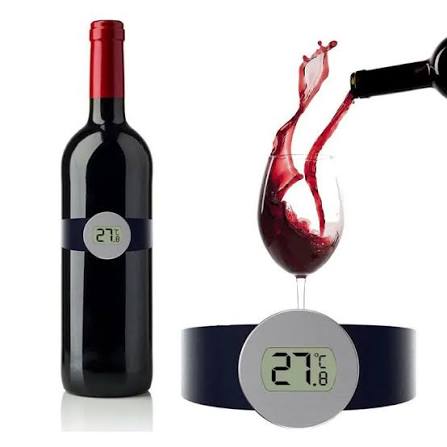
Another small detail is temperature, and it can either reveal a wine or ruin the impression. Wine that is too cold hides its aromas; wine that is too warm makes the alcohol stand out. A useful general guide is:
- sparkling and light white wines — well chilled, around 6–10°C;
- fuller white and rosé wines — around 10–13°C;
- light red wines — around 12–14°C;
- full-bodied red wines — around 16–18°C.
Most people make the same mistake in the same direction: reds are served too warm and whites too cold. Correcting that alone can make the wine taste much more balanced and true to itself.
How to Evaluate Wine Step by Step
Once everything is ready, it is time for the tasting itself. Professionals usually assess wine in three clear stages: eyes, nose, and palate.
Appearance
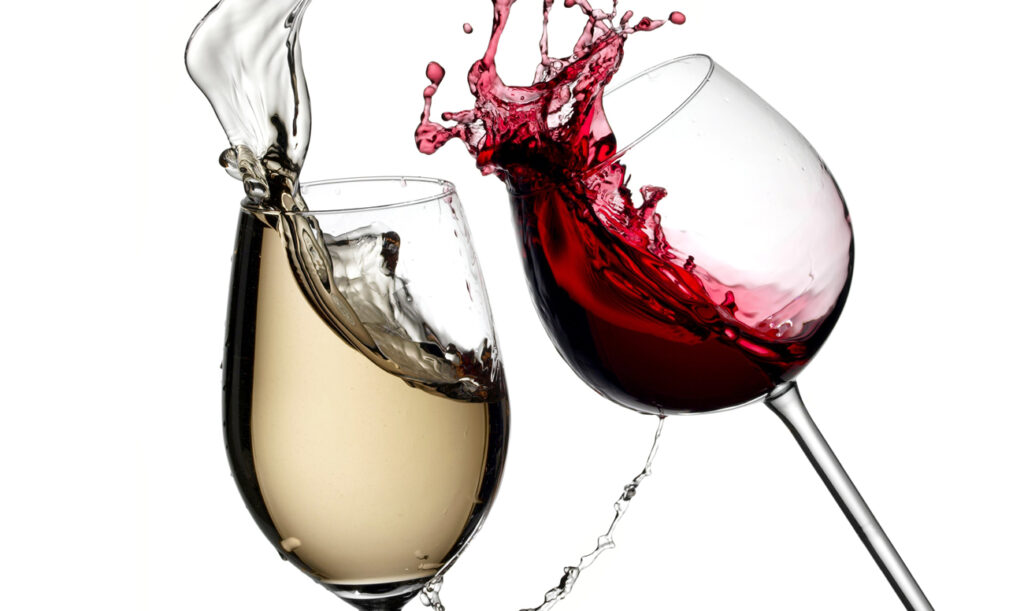
Pour the wine into the glass — about one-third full, no more — and tilt it over a white sheet of paper or a napkin. Look at the color. It can tell you a great deal. A young white wine that is pale, almost transparent, with greenish highlights is likely to feel fresh and crisp. A red wine shifting toward brick or brown tones is more likely to be mature and aged.
A quick note about myths: the “legs” or “tears” that run down the side of the glass after swirling do not tell you whether the wine is good. They mainly reflect alcohol level and the wine’s viscosity.
Aroma
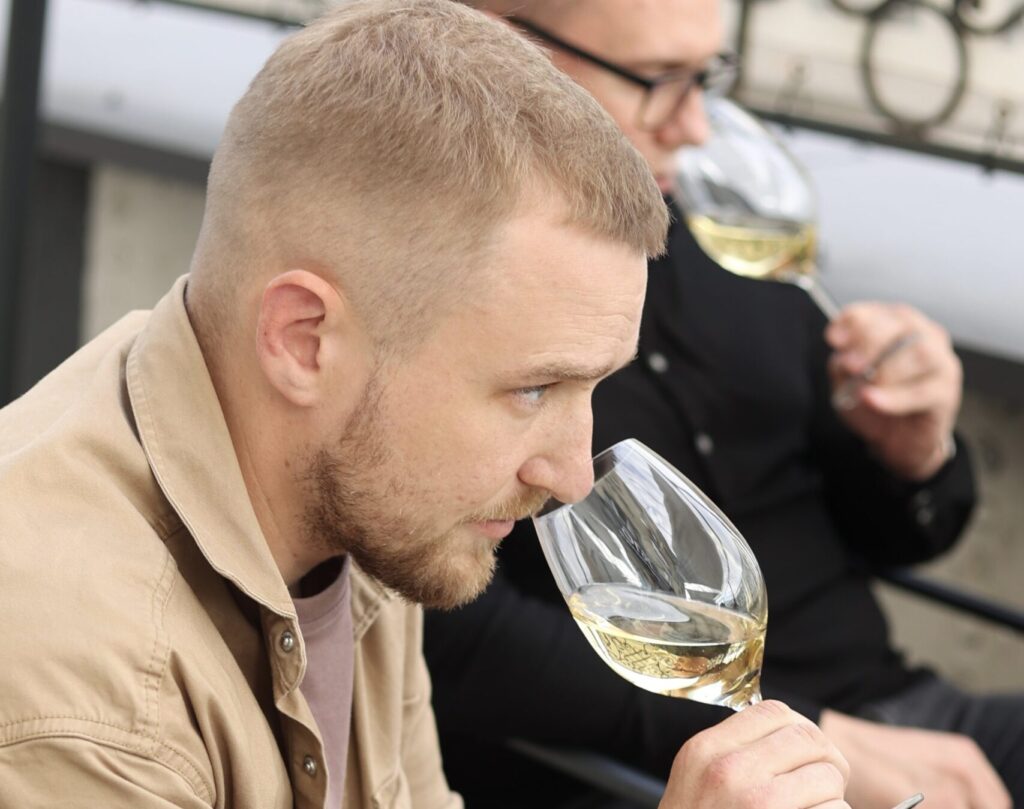
Do not rush to swirl the glass. Bring your nose to the rim and take a short first sniff. This is sometimes called the first nose — the wine’s cleanest aroma before it has been exposed to much oxygen.
Now gently swirl the glass by the stem to introduce more air and smell again. Notice the difference? The aroma becomes more expressive. Try breaking it down into simple associations. What does it remind you of — fresh berries, apples, grass, perhaps vanilla or leather from barrel aging? Do not be afraid of your own impressions. There is no single correct answer here; everyone has a different scent memory.
Taste
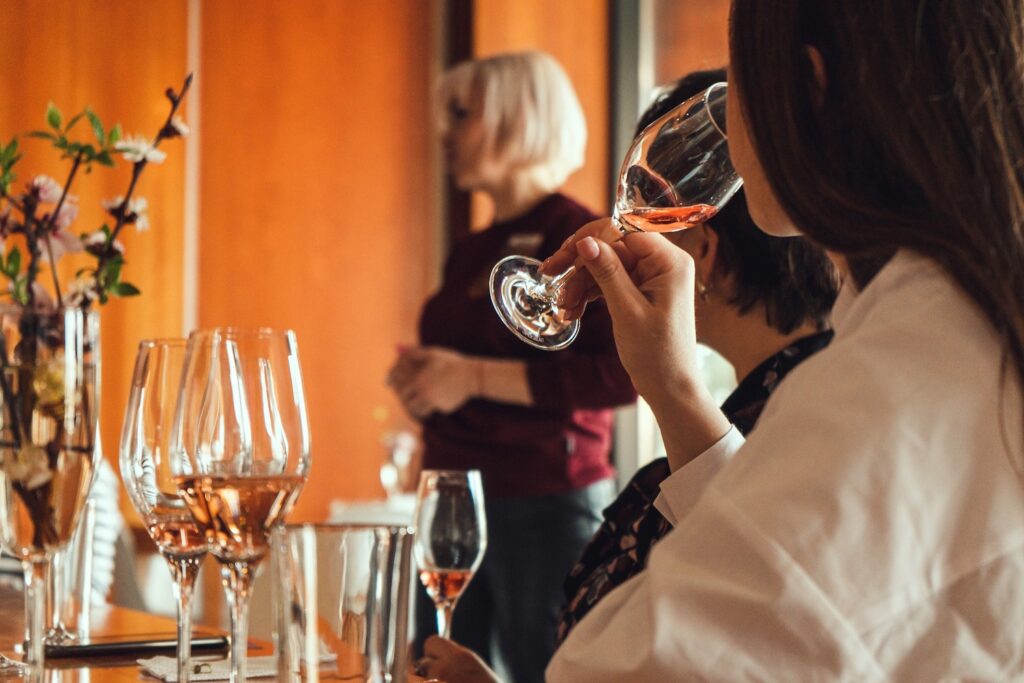
Take a small sip, but do not swallow immediately. Draw a little air into your mouth through your lips and move the wine around as if you were “chewing” it. This helps engage more of your palate.
Try to evaluate several things at once:
- sweetness, or the lack of it;
- acidity, which makes the wine feel fresh;
- tannins — the drying, astringent sensation found especially in red wines;
- body — how light or full the wine feels;
- finish — how long the sensations remain after you swallow.
The balance between these elements and the length of the finish often tell you more about quality than anything else.
How to Keep Tasting Notes
Our brains are tricky: even the taste of an amazing wine can fade from memory completely within a week. That is why notes are so useful.
You do not need to write long poetic essays. Use a simple notebook or download a dedicated app. Record the basics: the name, vintage, grape variety, and a few short personal impressions.
A couple of phrases are enough: “very acidic, smells like blackcurrant, great with steak” or “too bitter, would not buy again.” Over time, this list becomes your personal guide and makes choosing wine much easier.
Common Beginner Mistakes
Wine culture can be confusing, and beginners tend to make many of the same mistakes. Here is what you should avoid:
- serving wine at the wrong temperature;
- overfilling the glass so the wine has no room to open up;
- judging the wine in advance based on price or label;
- rushing and forgetting to swirl and smell before tasting;
- trying to find the “correct” aromas instead of trusting your own associations;
- tasting too many wines in a row until your palate simply gets tired.
And you know what? All of this is completely normal — everyone goes through it. Tasting is a skill, and skills improve with practice. If you want to become confident more quickly and learn under the guidance of a specialist, training at a wine academy can help tremendously. After that, every glass starts telling you a little more.
Content: