

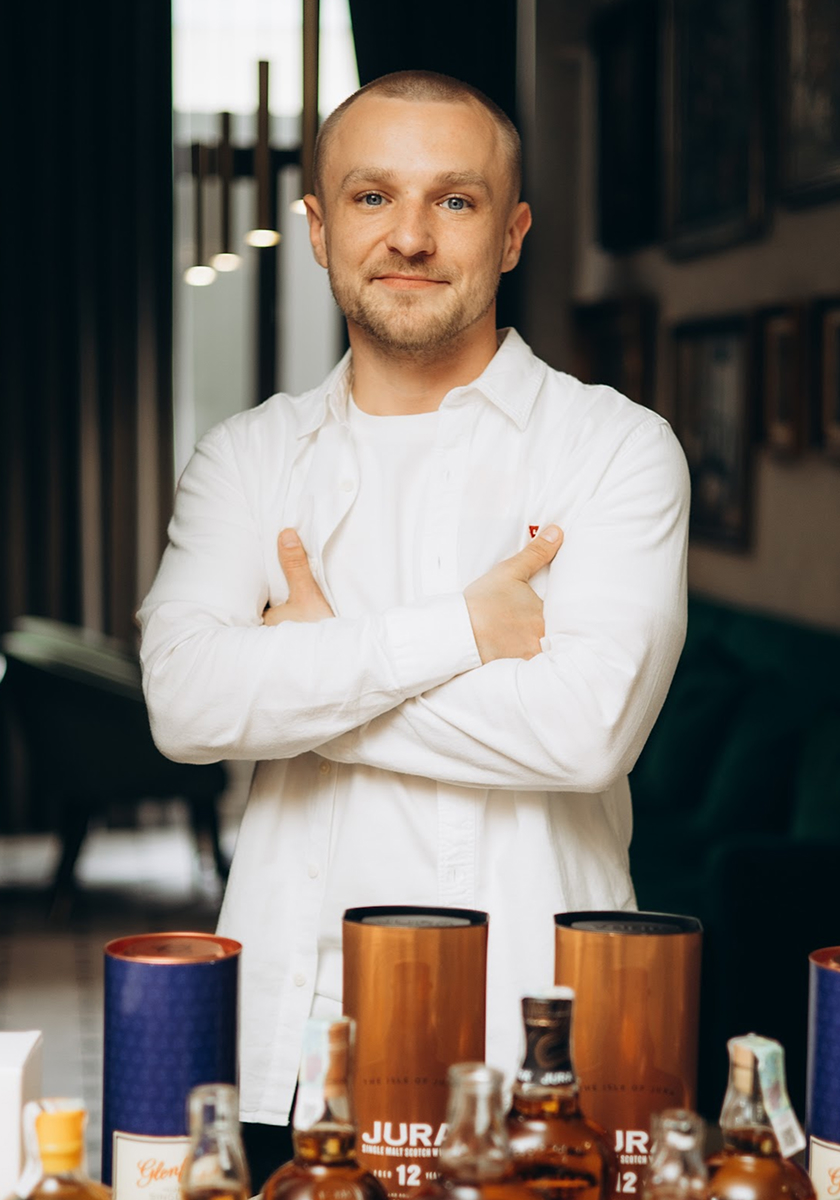
Matthew Tesov
Nice to Meet You!
A sommelier and wine expert with over seven years of experience in the wine industry, founder of Wine Academy, and author of courses that combine professional depth of knowledge with a relaxed, friendly atmosphere. Known simply as Matthew to his friends, he opens the door to the world of wine in such a way that every lecture or tasting becomes an exciting journey through aromas, flavors, and stories.
How to Finish a Bottle Tomorrow: How Long Does Opened Wine Last?
You opened a bottle for dinner, had a glass or two, and set it aside. A logical question immediately comes up: what should happen to this drink next? Oxygen is both wine’s best friend and its worst enemy. At first, it helps reveal the aromatic bouquet. But over time, air inevitably starts the oxidation process and turns a refined drink into ordinary vinegar.
How much time you have
Each style of wine reacts to contact with air in a completely different way. That is why the storage time of an opened bottle can vary significantly:
- Sparkling wines have the shortest life. They lose their charming bubbles literally within a day. Even with a special stopper, it is better to finish them within 24 hours.
- Light white and rosé wines keep their freshness for three to five days. The main condition here is that the closed bottle must be stored in the refrigerator.
- Full-bodied red wines can last up to five days. Some young tannic examples even become better and softer the next day.
- Fortified drinks such as port or sherry are true record holders. Their high alcohol and sugar content allows them to stay open calmly for several weeks.
So, each category has its own clear shelf life. Understanding these time frames will definitely save you from disappointment the next evening and allow you to enjoy the drink fully.
How to extend the life of an opened bottle
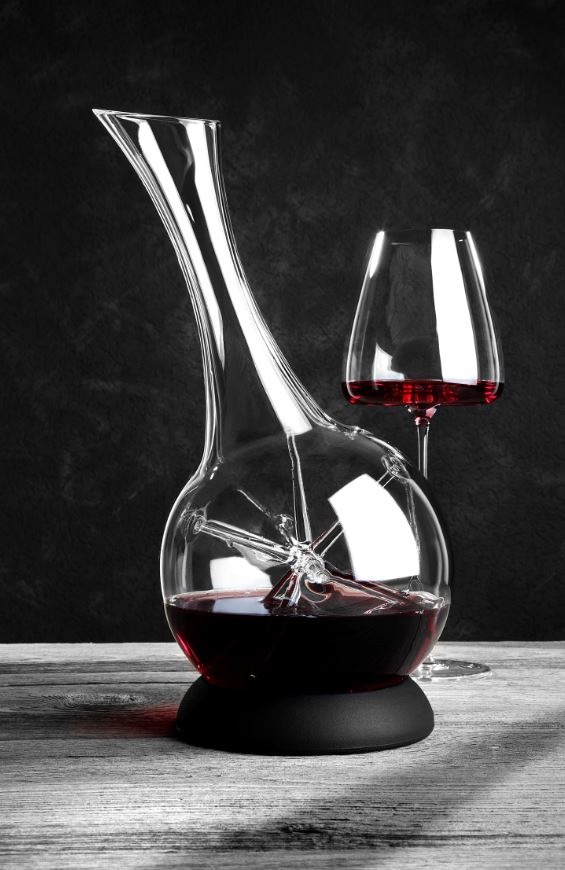
Simply closing the bottle with its original cork works fairly well, but it is often not enough. Cold significantly slows down all chemical reactions. That is why even unfinished red wine is better stored in the refrigerator. Before serving it again, simply take it out in advance and let it warm up slightly at room temperature.
Another effective method is to pour the remaining wine into a smaller bottle. The less air there is inside, the slower the wine spoils. That is why a half-empty large bottle loses its freshness faster than it may seem.
It is also worth paying attention to special wine accessories. A vacuum pump allows you to quickly remove excess air from the bottle. It is inexpensive, but it can add another couple of days of freshness to your drink. Professionals often use the Coravin system, which allows wine to be poured without uncorking the bottle at all, replacing the liquid with inert gas.
The culture of storage and serving has many similar nuances. Understanding the life cycle of wine helps you always get the maximum pleasure from tasting. If you want to understand these rules in detail, it is worth paying attention to professional training.
By taking online sommelier courses, you will learn to accurately determine the potential of every bottle. Wine is a living organism, and treating it properly always guarantees flawless taste in your glass.
Content: