


Matthew Tesov
Nice to Meet You!
A sommelier and wine expert with over seven years of experience in the wine industry, founder of Wine Academy, and author of courses that combine professional depth of knowledge with a relaxed, friendly atmosphere. Known simply as Matthew to his friends, he opens the door to the world of wine in such a way that every lecture or tasting becomes an exciting journey through aromas, flavors, and stories.
How to Choose Wine at the Supermarket in 5 Minutes: A Practical Guide
You rush into the supermarket after work, walk up to the wine section, and get lost among hundreds of similar bottles. Time is short, so the wine with the brightest label or the most attractive discount tag usually ends up in your basket. This kind of story often ends in disappointment at dinner.
However, finding a decent bottle in an ordinary store is completely possible, even in just a few minutes. The key is to know exactly what to look for instead of blindly trusting marketing tricks.
Don’t choose the cheapest bottle, but don’t overpay either
The cheapest bottles on the bottom shelf are most often made from simple mass-market material, so you should not expect miracles from them. But that does not mean you need to grab the most expensive option either. The best value for money is usually somewhere in the middle.
By the way, here is a useful little trick: stores place the most promoted and often the most expensive wines at eye level. Good options are often found slightly higher or lower.
Focus on the region and grape variety, not the pretty label
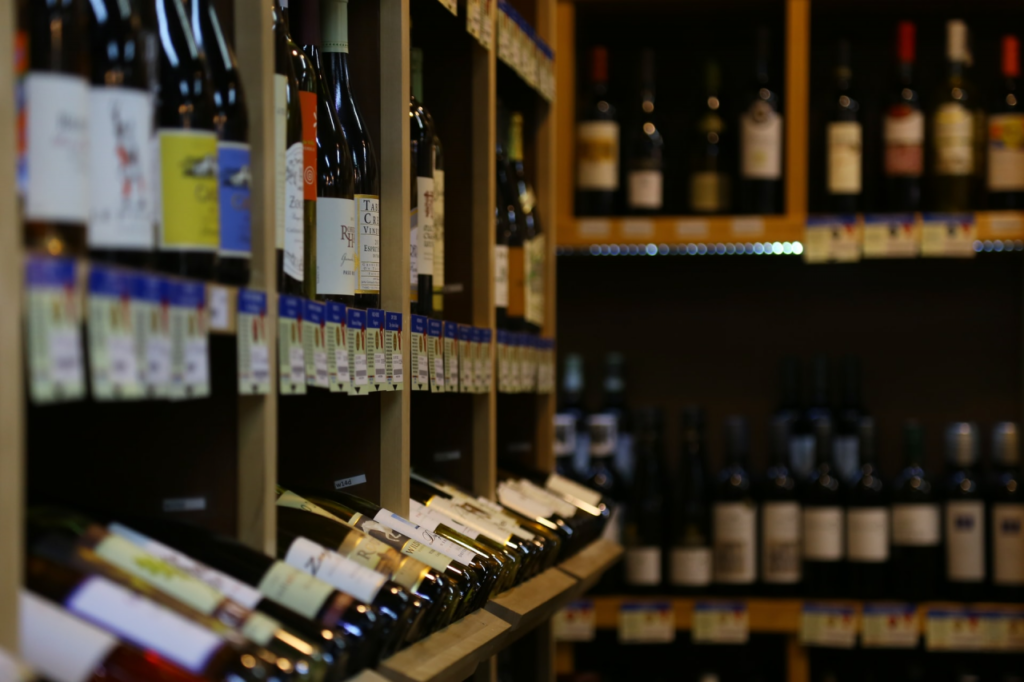
A beautiful bottle design and gold medals on the label are mostly marketing. They say almost nothing about the taste. It is much more important to look at the region and grape variety. If you have already enjoyed a certain wine before, look for something similar in origin. And if you do not have any reference points yet, it is worth remembering a few reliable regions and using them as a starting point.
If you are unsure, always go for trusted classics. Chilean Carmenere or Argentinian Malbec rarely disappoint in the budget segment. At the same time, among white wines, crisp Sauvignon Blanc, soft and versatile Chardonnay, refreshing Albariño, or light and neutral Pinot Grigio are excellent basic choices. They are enjoyable on their own and easily forgive food-pairing mistakes.
Check the vintage and alcohol level

Two details on the label can tell you more than it may seem. The first one is the vintage. Light white wines, rosés, and most inexpensive wines are better when they are young, meaning from a recent harvest.
The second one is the alcohol level. The higher the percentage, the fuller-bodied and richer the wine will be, while a lower alcohol level usually suggests a lighter and fresher style.
This way, you can roughly guess the character of the bottle even before opening it.
Think about what you are buying the wine for
Before reaching for a bottle, think about what you are going to drink it with. For tomato pizza or pasta, a red wine with good acidity will work better. For fish or sushi, white or sparkling wine will be an easier match.
And if you simply need a wine for the evening and a good conversation, choose a light, easy-drinking white or a dry rosé. Choosing according to the occasion saves the most time.
Don’t be afraid of screw caps
Many people still believe that a cork is a sign of quality, while a screw cap means the opposite. This is a myth. For fresh white and rosé wines, a screw cap is often even better because it preserves the aroma more reliably. New Zealand, Australia, and Germany have long embraced this format. So feel free to choose such a bottle if everything else works for you.
If you want to choose with confidence
Many people are used to relying on popular mobile apps with ratings. Of course, they can give you a general idea of the wine. However, those ratings are left by regular users whose tastes may be completely different from yours. True confidence comes only when you understand the logic of pricing and how the region influences the final bouquet.
To stop relying on chance and start building your home wine collection consciously, you need a structured foundation. Wine courses can help with this, as experienced experts explain complex things in simple language. You will learn to scan shelves with confidence and find the best options in any price segment.
Content: