


Matthew Tesov
Nice to Meet You!
A sommelier and wine expert with over seven years of experience in the wine industry, founder of Wine Academy, and author of courses that combine professional depth of knowledge with a relaxed, friendly atmosphere. Known simply as Matthew to his friends, he opens the door to the world of wine in such a way that every lecture or tasting becomes an exciting journey through aromas, flavors, and stories.
Does Wine Need to “Breathe,” and Why Should It Be Decanted?
You uncork a bottle of your favorite red wine, immediately fill your glass, and take the first sip. It seems like nothing could be simpler. However, sometimes the taste feels too sharp, while the aroma seems closed and indistinct.
Of course, you could blame the producer or an unsuccessful vintage. But most often, the wine simply has not had enough oxygen. The ritual of pouring wine into an elegant crystal decanter looks incredibly cinematic. Still, this is not a theatrical performance for guests, but an important physical and chemical process.
What actually happens in a decanter
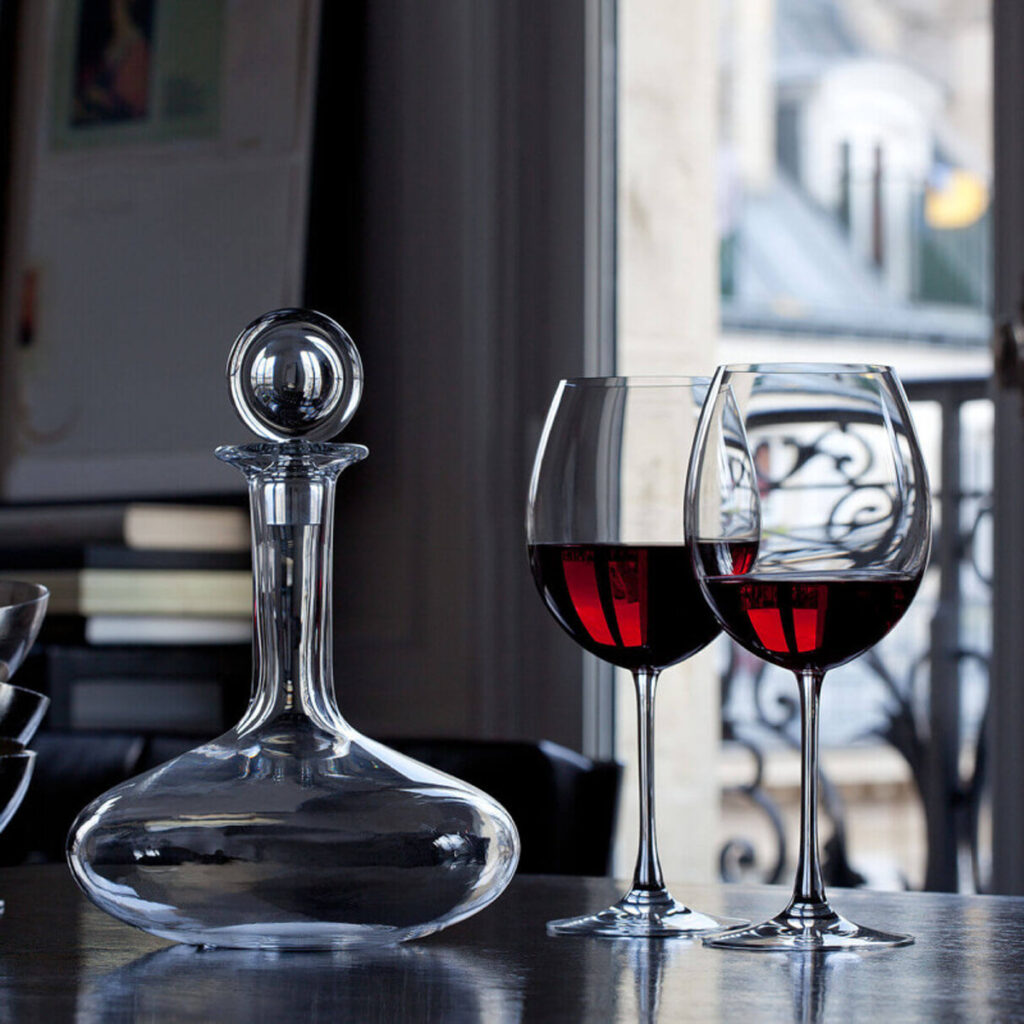
In the professional world, this process is divided into two different concepts: aeration and decanting. Although the same vessel is often used for both.
Aeration is the process of saturating the liquid with oxygen. When wine enters the wide bowl of a decanter, the area of its contact with air increases dramatically. Naturally, oxygen immediately triggers oxidation reactions. As a result, harsh tannins soften, and the complex aromatic bouquet opens up fully.
Decanting, on the other hand, has a slightly different purpose. It is the careful pouring of aged wine to separate it from natural sediment. Over the years, tartaric crystals and pigment particles form at the bottom of the bottle. They are completely safe for your health. However, this sediment can unpleasantly crunch on your teeth and noticeably spoil the overall tasting experience.
Which wines need air
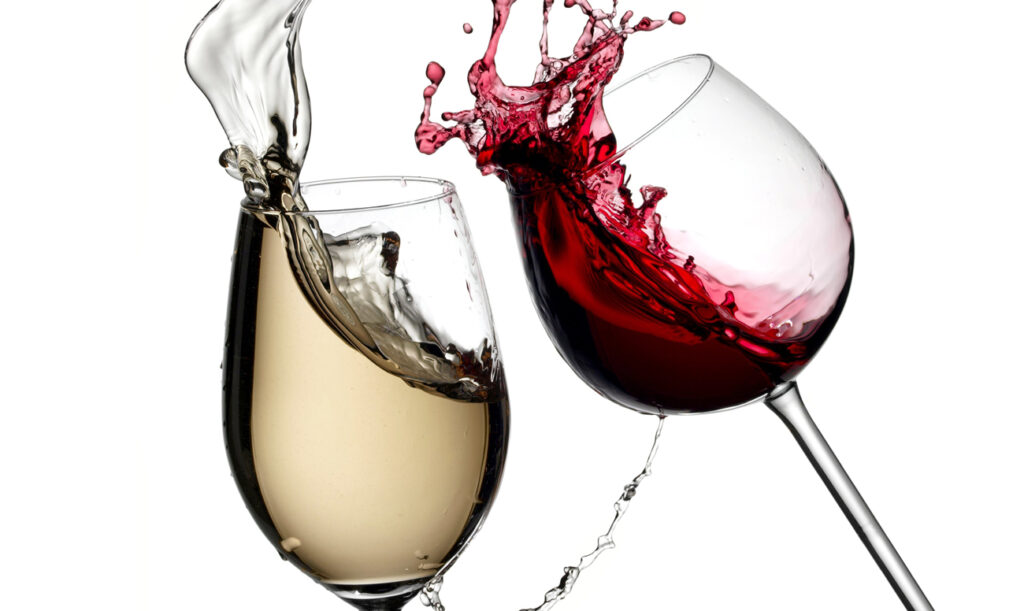
Not every bottle needs this ritual. Moreover, too much oxygen can even harm some wines. Let’s look at the main categories:
- Young and powerful red varieties. Cabernet Sauvignon, Syrah, or rich Malbec will definitely benefit from aeration. They have a dense structure and aggressive tannins. Air makes their taste much rounder and more balanced.
- Mature vintage wines. These wines need very careful decanting to remove sediment. However, prolonged contact with oxygen is very dangerous for them. Old wine is extremely fragile, so it can completely “die” and lose its aroma in as little as half an hour.
- White and sparkling wines. In most cases, they do not need to be poured into a decanter at all. Their main charm lies in freshness and light acidity. The only exception may be very full-bodied white wines that have spent a long time aging in oak barrels.
So, every label and grape variety requires an individual approach. Understanding these subtle details comes only with tasting experience and the right theoretical foundation.
How to perform this ritual correctly
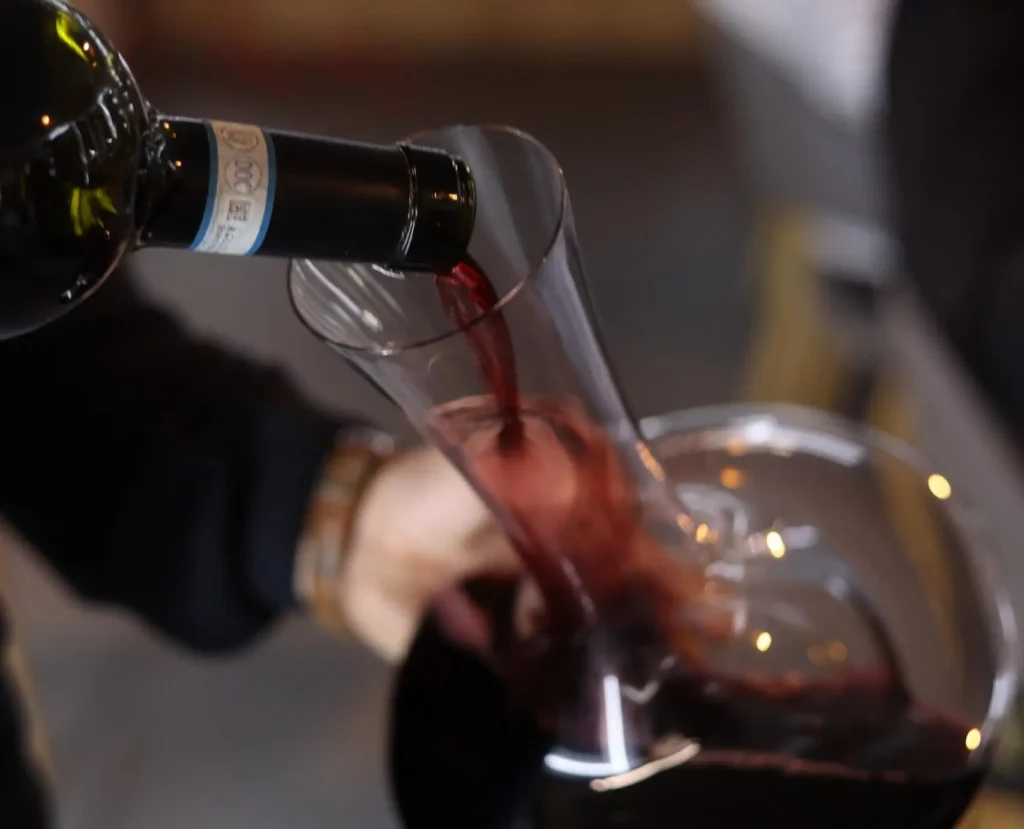
The most common mistake beginners make is simply uncorking the bottle and leaving it on the table. Unfortunately, this does not work at all. The narrow neck lets in too little air, so even after two hours, the wine inside will not have enough time to “breathe.” For proper aeration, you need a decanter with a wide base. Usually, young red wine only needs to spend thirty minutes to an hour there before serving.
It is not a problem if you do not have a decanter at hand. The simplest form of aeration is to swirl the wine in the glass before taking a sip. This movement releases the aroma and slightly saturates the wine with oxygen. You can also buy a special aerator that fills the wine with air directly while pouring.
The art of handling wine includes many similar rules. If you want to feel confident when choosing glassware, serving temperatures, or are looking for quality sommelier courses, you can find all the details at https://matthewswine.com/en/. After all, understanding these small details turns an ordinary treat into a true gastronomic experience.
Content: