

Matthew Tesov
Nice to Meet You!
A sommelier and wine expert with over seven years of experience in the wine industry, founder of Wine Academy, and author of courses that combine professional depth of knowledge with a relaxed, friendly atmosphere. Known simply as Matthew to his friends, he opens the door to the world of wine in such a way that every lecture or tasting becomes an exciting journey through aromas, flavors, and stories.
What Happens to Wine 24, 48, and 72 Hours After Opening the Bottle
You have opened a bottle of good wine, had a glass or two, and now you are looking at the rest with one silent question: can you finish it tomorrow? This is one of those questions that often comes up when people start learning about wine. In this article, we will look at what happens to wine when it comes into contact with air, and whether it is still worth drinking after seventy-two hours.
Oxygen is the main enemy of opened wine
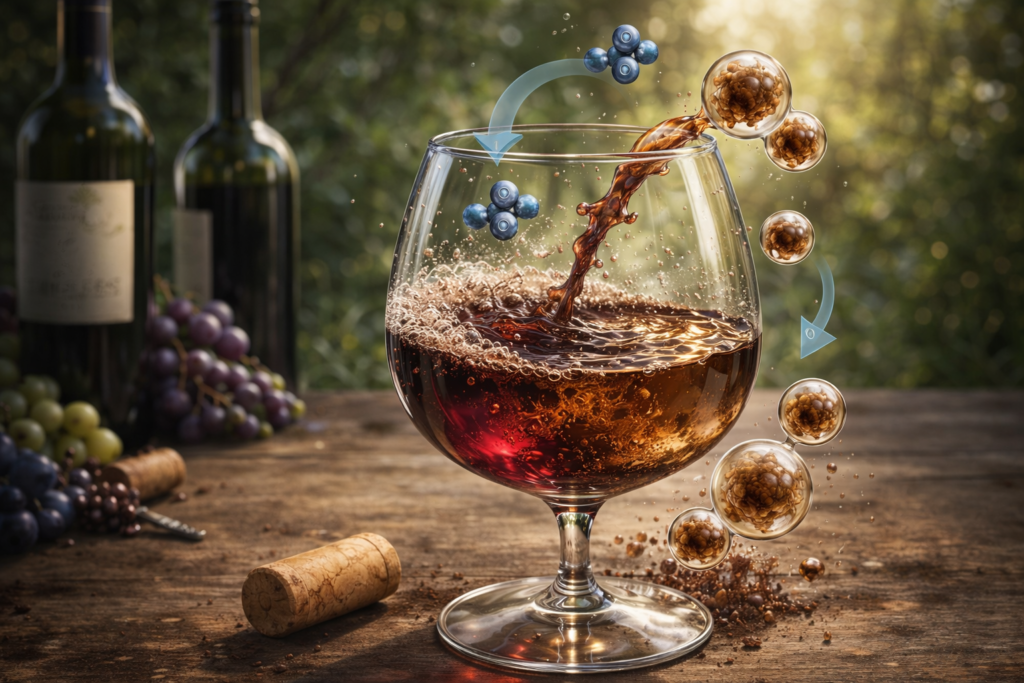
As soon as you remove the cork, an irreversible oxidation process begins. This means that oxygen starts reacting with the organic compounds in the drink.
By the way, it is the same reaction that turns a bitten apple brown, only it happens a little more slowly and with a much more complex product.
The speed of oxidation depends on several factors:
- Type of wine. Light white wines oxidize much faster than full-bodied reds.
- Storage temperature. The warmer the room, the more actively chemical reactions take place.
- Amount of wine left. The less wine remains in the bottle, the more air there is above it, and the faster it degrades.
- Type of closure. A natural cork lets the wine breathe, a screw cap blocks air, and a stopper removes it.
To slow down oxidation, it is enough to minimize the wine’s contact with air. Pour the leftovers into a smaller container, or close the bottle tightly and put it in the refrigerator.
The first 24 hours: an unexpected opening up
Here is a paradox that surprises many people: in the first hours after opening, most red wines actually become better.
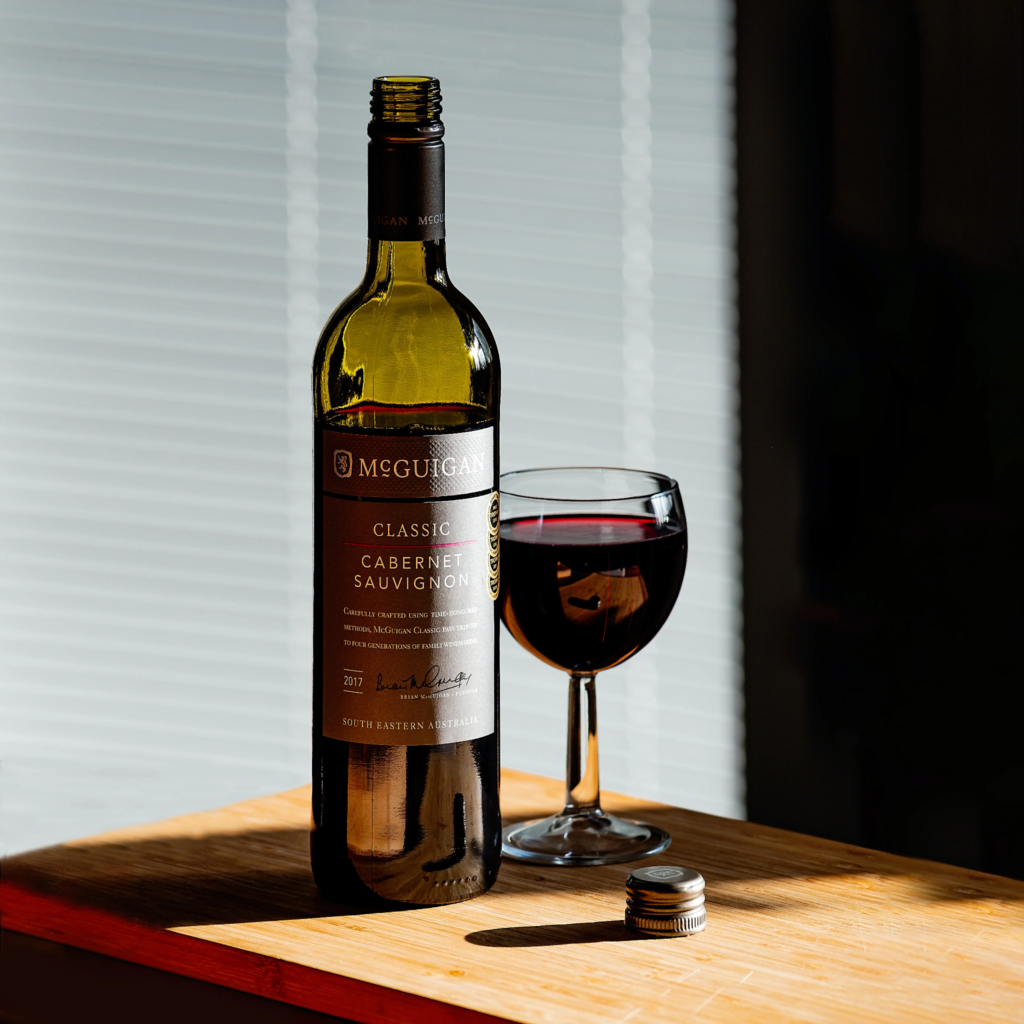
Young red wines such as Cabernet Sauvignon, Syrah, or Nebbiolo are often “closed” right after opening. Tannins create a feeling of harshness and dryness, while fruit aromas are barely noticeable. During the first 12 hours, the wine seems to “wake up”: the tannins soften, berry and spicy notes open up, and the taste becomes more balanced. This is exactly why sommeliers recommend decanting young wines one or two hours before serving, artificially speeding up this process.
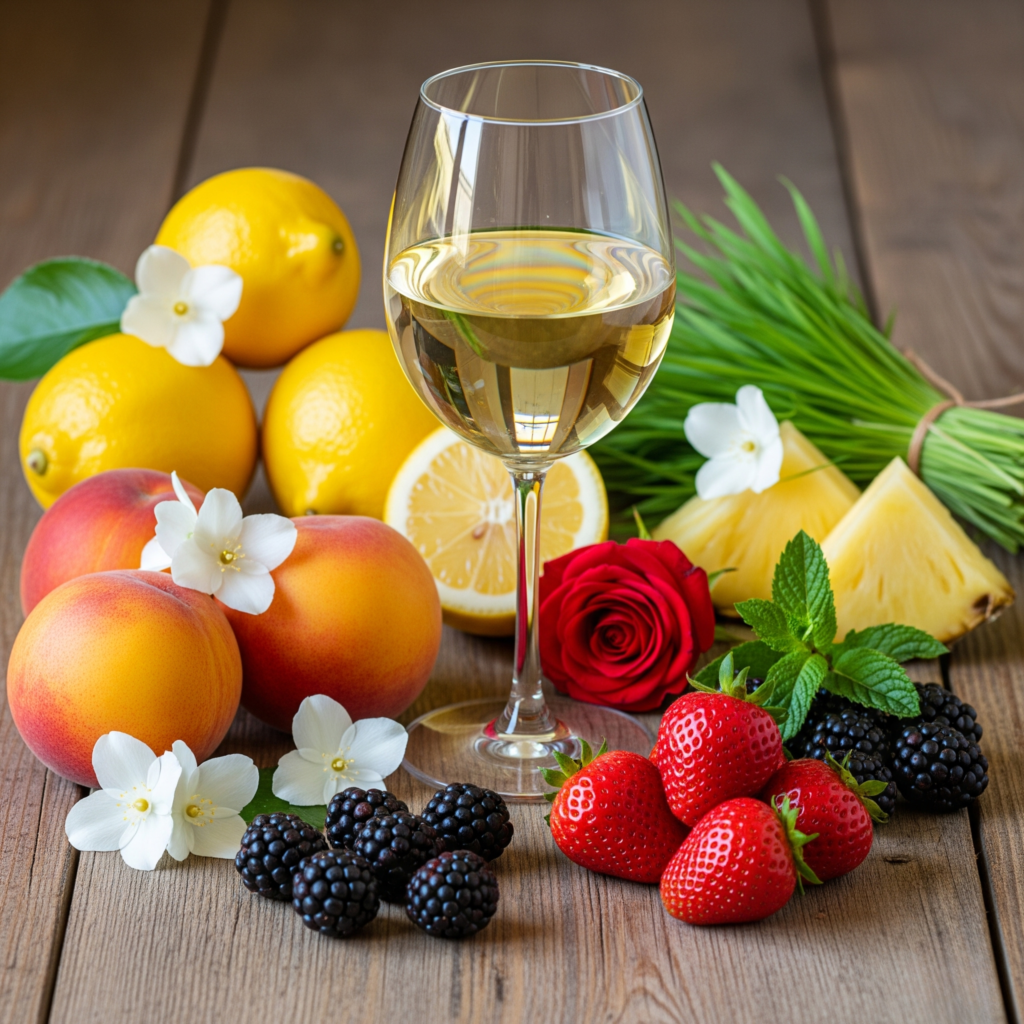
With white and rosé wines, the story is different. Most of them are ready to drink immediately after opening. After 24 hours, delicate floral aromas begin to fade, citrus freshness is slightly lost, and the taste becomes a little flatter.
48 hours: the beginning of noticeable degradation
On the second day, oxidation processes enter an active phase. The changes become noticeable even to an inexperienced taster, and at this point, you do not need to be a sommelier to feel the difference.
The first thing that suffers is the aroma. Fruit and floral notes are the most volatile compounds in wine, so they disappear first. They are replaced by vinegary tones that appear as acetic acid builds up. In taste, acidity starts to feel sharper and more aggressive. In red wines, tannins become rougher.
However, there are some happy exceptions. Aged red wines with a powerful structure, such as Barolo, Brunello, or mature Bordeaux, can stay open for 48 or even 72 hours. A high tannin content creates a kind of buffer against oxidation.
Fortified wines such as Port, Sherry, and Madeira can stay open for weeks thanks to their high alcohol level, which works as a preservative.
72 hours: wine on the home stretch
By the third day, most ordinary wines show clear signs of fatigue.
The color changes noticeably. White wines take on a yellowish or amber shade, red wines become darker, and a small amount of sediment may often appear at the bottom. Vinegary and yeasty notes dominate the aroma, while fruitiness almost disappears. The taste becomes flat, without its usual dynamics.
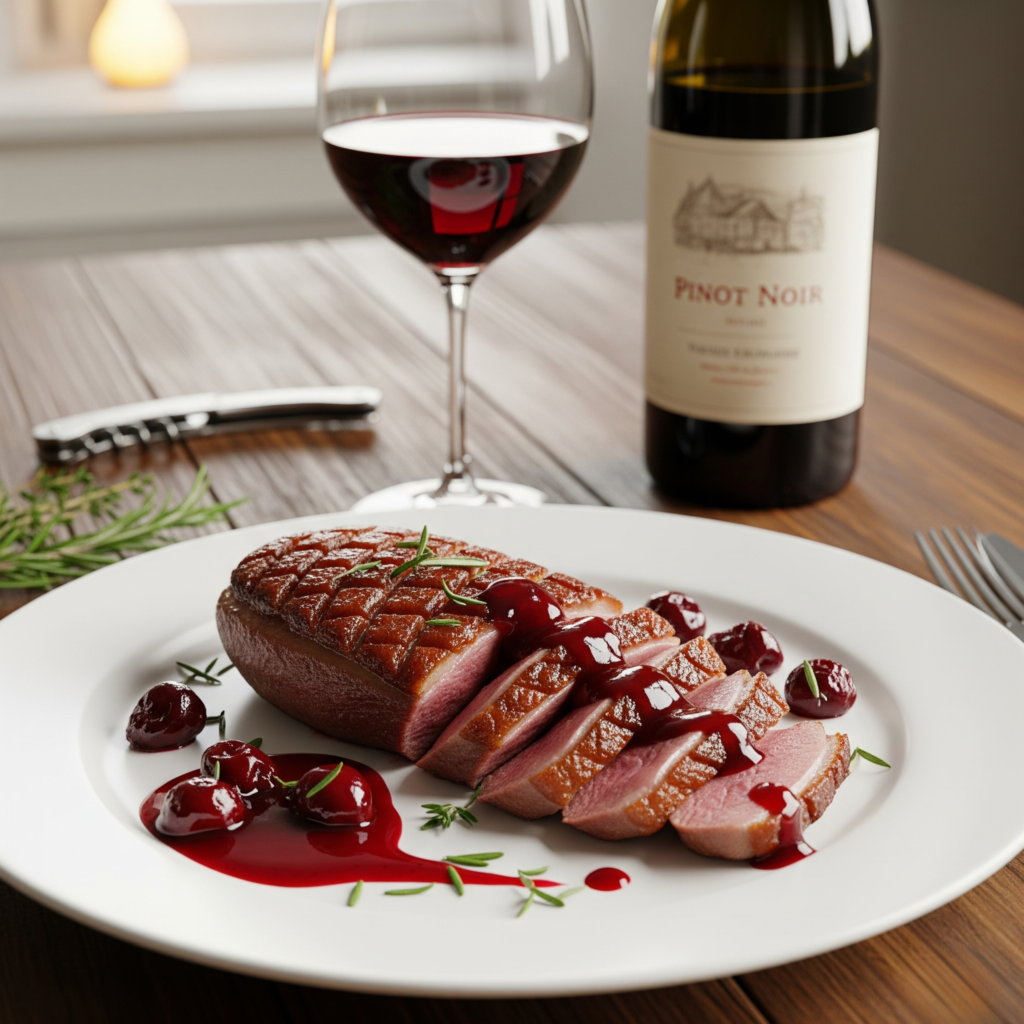
But there is good news here too. Oxidized wine works perfectly for cooking. It is great for sauces and marinades, for braising beef or lamb, and for risotto or paella.
Conclusion
Opened wine is a living product, and understanding the processes that happen inside it turns an ordinary evening with a glass into a more conscious experience. When you know what awaits your wine after 24, 48, and 72 hours, you can choose the right moment to serve it, store the leftovers properly, and even “rescue” an almost lost bottle in the kitchen.
If you would like to dive deeper into this world and understand terroir, styles, tasting methods, and the logic of choosing wine, take a look at our wine courses. We explain everything step by step and in an accessible way, so every newly opened bottle brings a little more pleasure and meaning.
Content: