


Matthew Tesov
Nice to Meet You!
A sommelier and wine expert with over seven years of experience in the wine industry, founder of Wine Academy, and author of courses that combine professional depth of knowledge with a relaxed, friendly atmosphere. Known simply as Matthew to his friends, he opens the door to the world of wine in such a way that every lecture or tasting becomes an exciting journey through aromas, flavors, and stories.
How to Choose the Right Wine for Your Meal: Rules and Secrets for the Perfect Pairing
Many people know the age-old rule of pairing wine: “white with fish, red with meat.” Once upon a time, this was a good tip, but not today. With the diversity of world cuisines and wine styles, it has become outdated and often does not work.
In fact, there are much simpler and more reliable ways to find the perfect pairing. Today, we will share them with you.
Light with light, rich with rich

The main idea is to balance the intensity of the dish and the wine.
What does this mean?
Imagine you are eating a light, fresh salad with shrimp. If you pair it with a full-bodied, tart red wine, it will simply overwhelm the delicate flavor of the dish. As a result, you will taste nothing but the wine.
Conversely, if you have a juicy, fatty steak and you pair it with a subtle, light white wine, the dish will completely overwhelm the taste of the drink.
You always need to look for balance, and wine is no exception. How to choose the right wine? Light dishes (fish, salads, chicken) require equally light, delicate wines. These can be Sauvignon Blanc or Pinot Grigio. On the other hand, fatty, heavy steaks, stews, and red meat require rich wines, among which Cabernet Sauvignon or Malbec are noteworthy.
Regional life hack
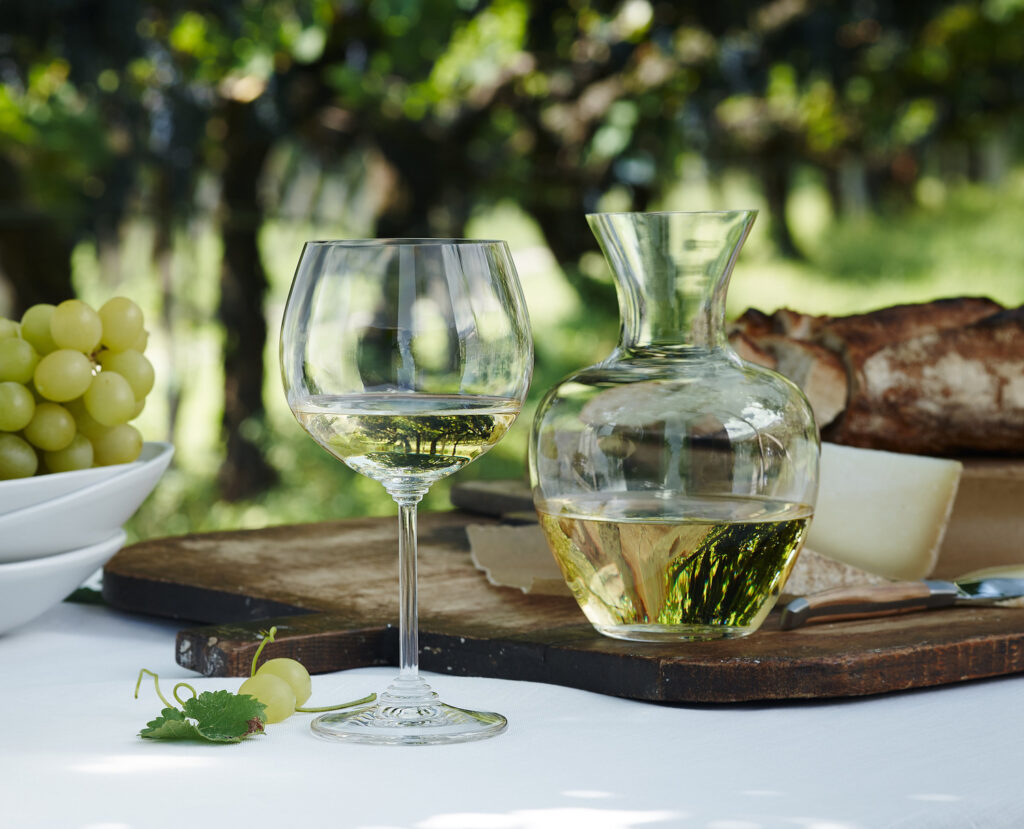
If you are unsure which wine to choose, follow the rule: “What grows together, drinks together.” This is one of the most reliable ways to pair wine with food.
Over thousands of years, local cuisine and local winemaking have developed in certain regions. They evolved in parallel, adapting to each other. As a result, they became ideal partners.
That is why Italian pasta with tomato sauce tastes so good with Italian Chianti. And French goat cheese from the Loire Valley is simply made for French Sauvignon Blanc (Sancerre) from the same region.
These combinations have been refined over centuries. So, if you are preparing a dish from a specific region, such as Spanish paella, the most delicious choice is to select a wine from the same region, such as Spanish Albariño.
What is a “flavor bridge”?
This pairing is about finding common aromas or flavors in a dish and wine.
For example, you are preparing a dish with mushrooms, which has earthy aromas. A wine with similar notes, such as Pinot Noir, would be a great pairing. These common aromas will enhance each other and make the combination harmonious.
Another example: chicken with lemon sauce or herbs. Look for a wine that has similar herbal or citrus notes. An ideal candidate is Sauvignon Blanc.
When you can break the rules of pairing
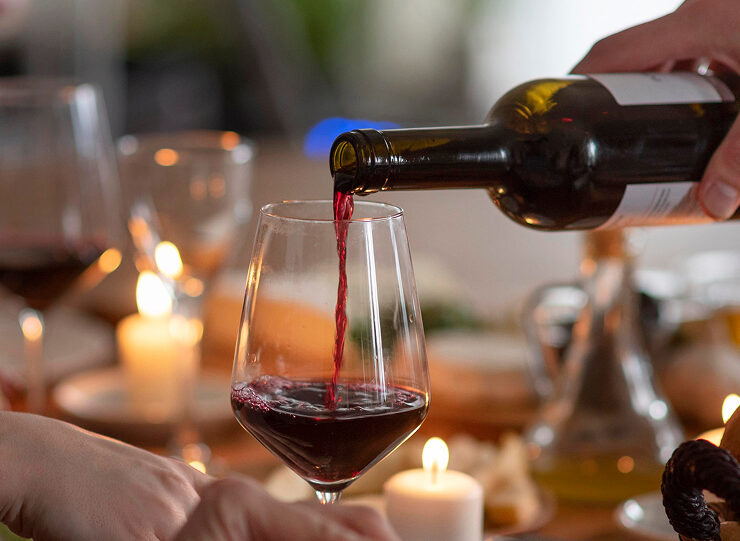
In the world of wine, the rules for pairing wine exist to be broken beautifully. Incidentally, this is how some of the most legendary pairings came about, such as sweet Sauternes and salty Roquefort cheese.
And in order to break them beautifully and not ruin your dinner, you need a deeper understanding of how to choose the right wine and why these rules exist in the first place. If you want to understand how acidity, tannins, and alcohol actually interact with fat, salt, and protein in food, we invite you to take the La Dilettante course from Matthew Wine & Spirit Academy. The full course program is available on our website https://matthewswine.com.
And remember: regardless of any rules and combinations, the main thing is that you enjoy the taste.
Content: