
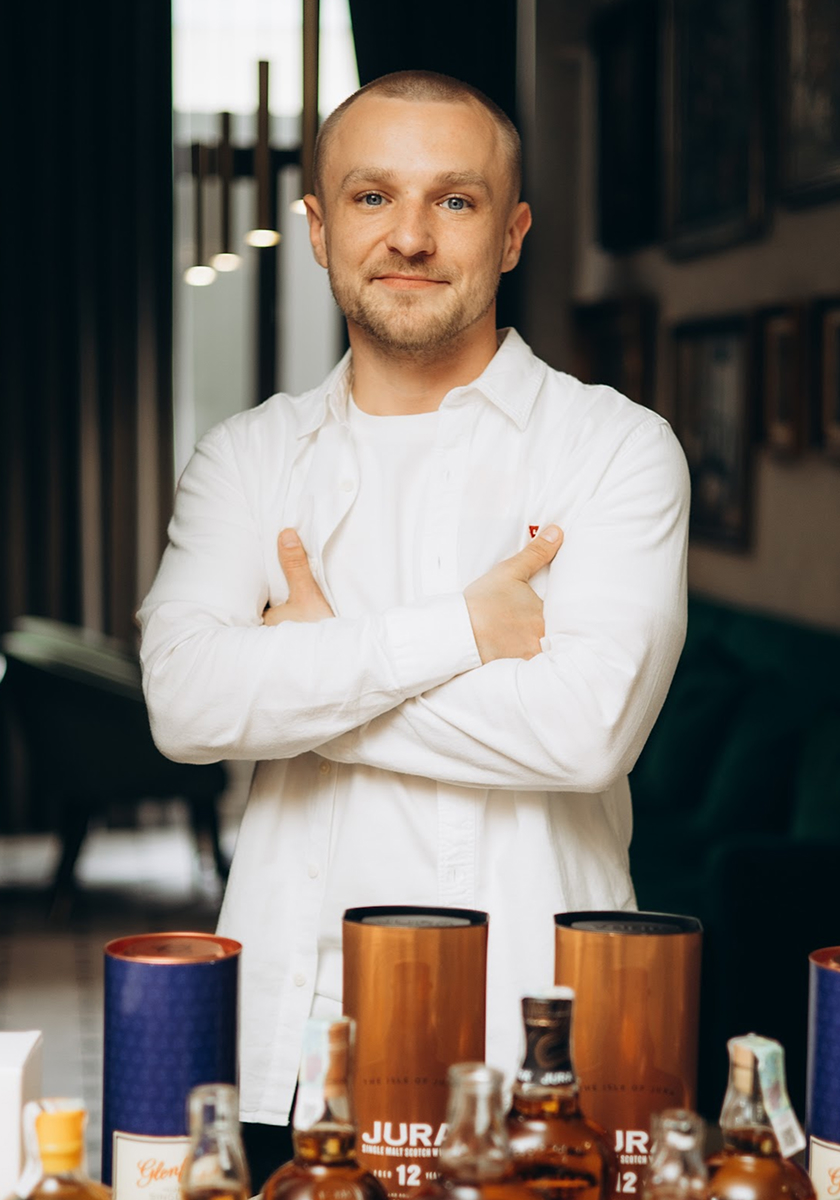
Matthew Tesov
Nice to Meet You!
A sommelier and wine expert with over seven years of experience in the wine industry, founder of Wine Academy, and author of courses that combine professional depth of knowledge with a relaxed, friendly atmosphere. Known simply as Matthew to his friends, he opens the door to the world of wine in such a way that every lecture or tasting becomes an exciting journey through aromas, flavors, and stories.
Wine School for Beginners: Is It Embarrassing to Ask “Silly” Questions?
Who said your questions were stupid in the first place? Most likely, no one. You put the “stupid” label on yourself before you even manage to ask the question. This situation is familiar to many people.
The fear of looking like a beginner among experienced wine lovers can instantly paralyze you. In fact, this psychological block is the main obstacle that prevents newcomers from truly enjoying the process of learning about wine.
Why beginners feel embarrassed to ask questions about wine
The world of winemaking has been accumulating complex terminology for thousands of years. It has its own slang, confusing classifications, and strict rules. Of course, no one is born with a built-in understanding of the difference between the left and right bank of Bordeaux. What may seem like an obviously silly question to a beginner is a completely normal stage of building a foundation for a teacher.
Unfortunately, wine culture has long been associated with a certain kind of elitist snobbery. However, the modern approach firmly rejects this arrogance. If you do not ask why grapes are not washed before pressing or why wine needs to breathe, you will remain trapped in myths. Staying silent during lectures simply deprives you of the chance to understand the basic chemistry behind the process.
Why there are no “stupid” questions about wine
Let’s start with a simple fact. Every wine expert once could not tell dry wine from semi-sweet wine. Absolutely every one of them.
What seems like a naive question to you often concerns the very basics on which all further knowledge is built. By the way, basic questions are often the most useful ones, because they force people to return to the foundation that even experienced learners sometimes skip in a hurry. So there is simply nothing to be embarrassed about.
Wine snobbery is a problem for snobs, not beginners
Yes, snobbery in the wine world does exist. But if someone rolls their eyes in response to a simple question, that says something about them, not about you. Real professionals behave differently.
They love curious beginners because they were once beginners themselves, and they are happy to explain even the most elementary things. Arrogance is almost always a sign of insecurity, not knowledge. So do not let other people’s complexes kill your curiosity.
So if a question comes up, ask it right away instead of putting it off. You can even write down your thoughts during a tasting so you do not lose anything. Very soon, you will notice that the people sitting next to you have the same doubts, and every answer saves you weeks of trying to figure things out on your own.
How to choose a comfortable place to start

The main task of a good wine school is to create an atmosphere where making mistakes feels completely safe. That is why professional sommelier courses for beginners are built from simple to complex. No one will expect you to immediately identify complex Champagne vintages during a blind tasting. Instead, experts will patiently, clearly, and with a sense of humor answer absolutely any questions you may have.
Remember that the path to a professional understanding of wine begins with sincere curiosity.
Content: