
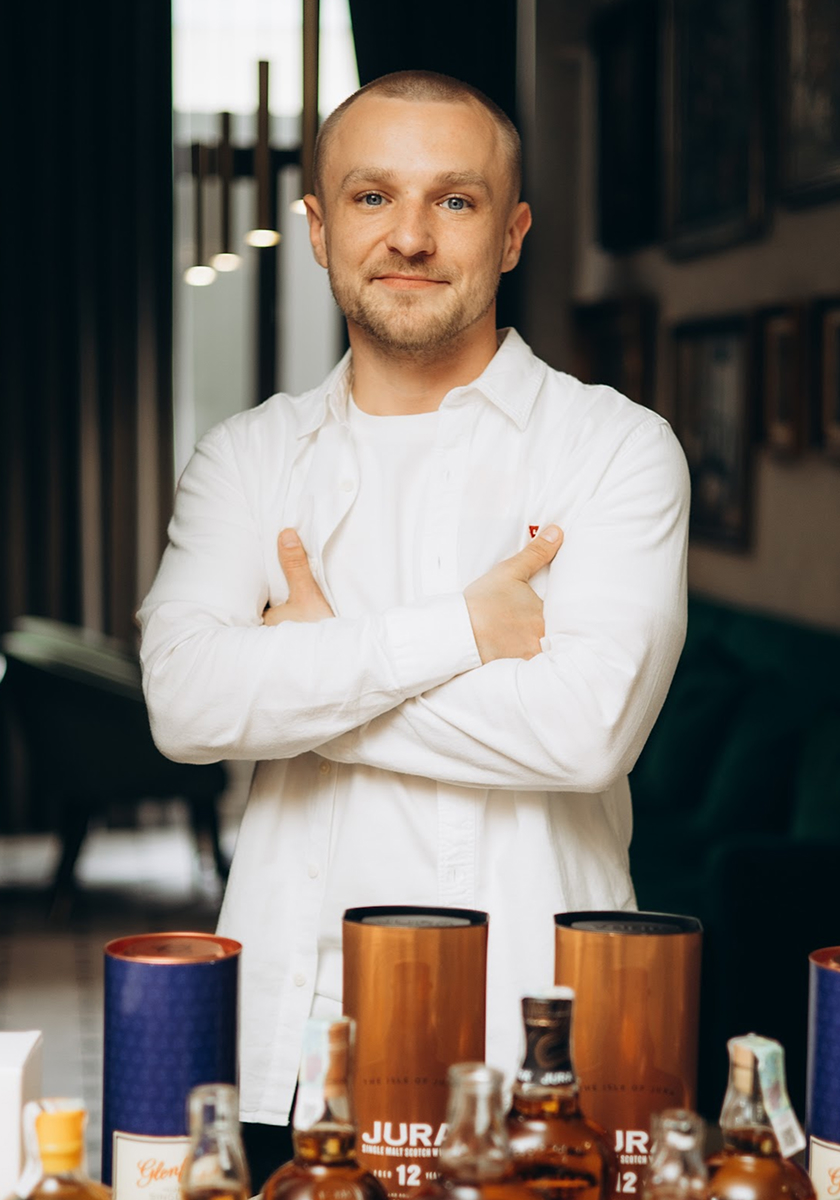
Matthew Tesov
Nice to Meet You!
A sommelier and wine expert with over seven years of experience in the wine industry, founder of Wine Academy, and author of courses that combine professional depth of knowledge with a relaxed, friendly atmosphere. Known simply as Matthew to his friends, he opens the door to the world of wine in such a way that every lecture or tasting becomes an exciting journey through aromas, flavors, and stories.
Wine Education in 2026: Where to Start
Ten years ago, wine courses were mostly sought out by aspiring sommeliers. Today, ordinary people sign up because they are tired of choosing bottles at random and overpaying for a pretty label. Interest in wine education has grown along with the market itself. Read on to learn why wine is attracting more attention, what beginners actually need to know, how to choose a program, and where to start in practice.
Why Interest in Wine Education Is Growing
The first shift is the move toward the principle of “drink less, but better.” Overall wine consumption worldwide is declining, while the mid-range and premium segments are growing.
The second shift is the growing complexity of the selection. In recent years, shelves have filled with organic and natural wines, lower-alcohol options, orange wines, and varieties from Greece, Portugal, and Austria. The non-alcoholic wine and beer market, for example, is estimated at around $35 billion by 2026.
The third shift is practical. Education has become more accessible: online formats, at-home tasting kits, and short courses built around specific needs have removed the biggest barriers — cost and time.
What a Beginner Wine Lover Needs to Know
One of the biggest beginner mistakes is trying to memorize thousands of names. It is far more effective to understand three things that explain almost any wine.
Winemaking Basics
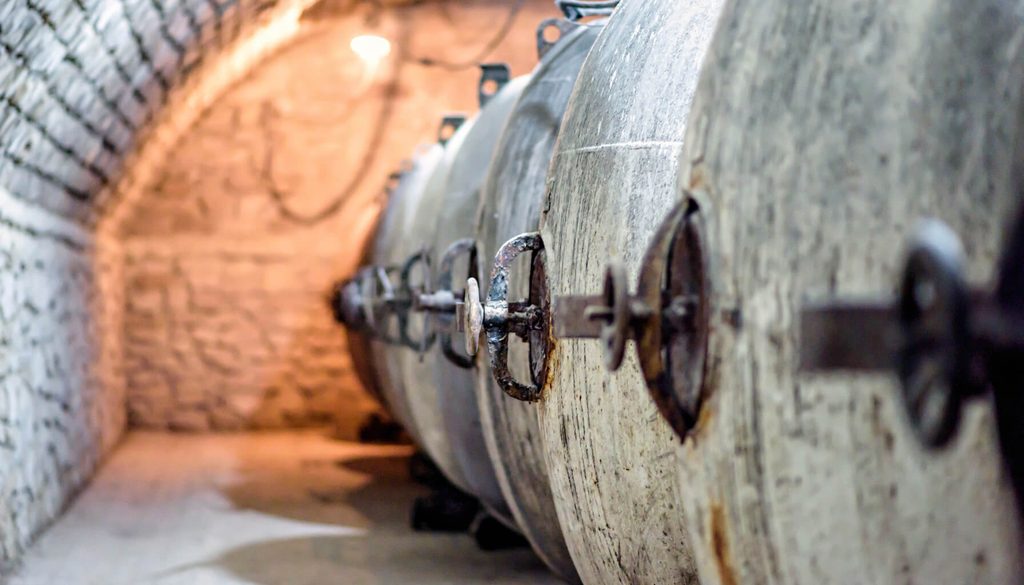
A wine’s taste is shaped not only in the glass but also at the winery, so a few processes are worth understanding from the very beginning.
Fermentation is the conversion of grape sugar into alcohol. If it runs to completion, the result is a dry wine; if it is stopped earlier, some sugar remains and the wine will be sweet. That alone explains where the basic distinction between dry and sweet wines comes from.
Oak aging adds notes of vanilla and spice, along with light tannic structure and body. That is why the same Chardonnay can taste fresh and citrusy without oak, but creamy and full-bodied after time in a barrel.
Tannins are astringent compounds found in grape skins, seeds, and stems. They give red wine structure and that familiar drying sensation. Sulfites help preserve wine and protect it from oxidation, while too much or too little can noticeably affect the style.
Once you understand these basics, you stop guessing and start understanding why a particular bottle smells and tastes the way it does.
Grape Varieties
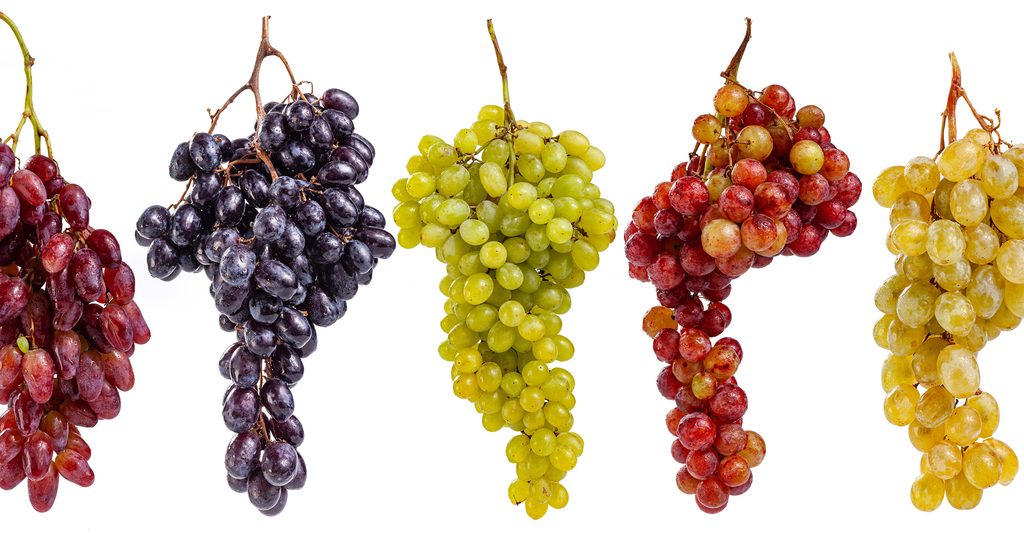
The grape variety plays a major role in shaping flavor, so it is worth remembering a few key grapes together with their typical character.
For whites, useful reference points are Sauvignon Blanc, light and fresh with high acidity and notes of citrus and herbs; Chardonnay, which can range from fresh to creamy depending on oak aging; and Riesling, aromatic and made in both dry and sweet styles. For reds, think Cabernet Sauvignon, powerful and tannic with blackcurrant notes; Merlot, softer and rounder with plum flavors; and Pinot Noir, light and delicate with red fruit and lower tannins.
Once you know the typical character of around ten varieties, you have useful reference points and can roughly predict the taste of an unfamiliar bottle before you even open it.
Wine Regions of the World

Geography explains why the same grape variety can taste so different. Climate is the main factor. In cooler regions, grapes ripen more slowly, producing wines that are lighter, higher in acidity, and more restrained. In warmer regions, grapes develop more sugar and ripeness, so the wines become fuller, fruitier, and higher in alcohol.
This is also where the convenient distinction between the Old World and the New World comes in. The Old World — Europe — more often puts the region rather than the grape variety on the label and tends toward a more restrained style. A knowledgeable buyer sees “Bordeaux,” “Burgundy,” or “Chianti” and immediately has an idea of what to expect. The New World — for example Chile, Argentina, the United States, or Australia — usually names the grape directly on the bottle and often makes wines that are brighter and more approachable, which is easier for beginners.
How to Choose a Wine Education Program
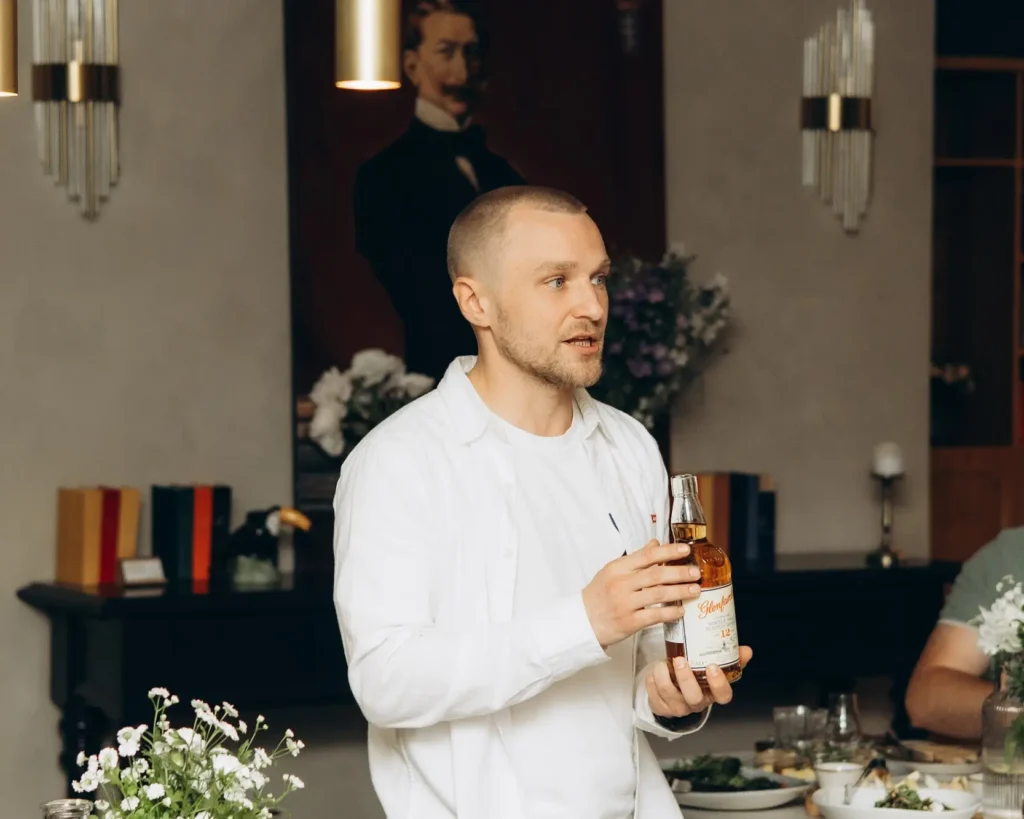
There are many programs, and the right one depends on your goal. A short course or online format may be enough for general knowledge, while a career in the industry calls for a full program with practical work, tastings, and preferably a recognized certificate.
Whatever the format, a strong course has three key features. First, plenty of real practice, because your palate develops through tasting, not by watching videos. Second, instructors who actively work in the field and can correct your impressions in real time rather than simply lecture. Third, a transparent curriculum with a clear progression from simple concepts to more complex ones.
First Steps in Learning About Wine
Start not with a book, but with a glass. A few simple actions this week will teach you more than a long stretch of passive reading:
- buy two different wines and taste them side by side, because contrast makes differences in acidity, tannins, and body much easier to notice;
- write down your impressions in just a few words so your sensory memory can build over time;
- pay attention to the grape variety and region on the label and connect them with what you taste in the glass;
- try something new more often instead of always choosing the familiar, gradually expanding your range.
After a month of tastings like these, the difference in your perception will become noticeable. Later, when you want a structured system and feedback from a specialist, that role can be filled by structured training at a wine academy, where theory is immediately reinforced through practice.
Content: