
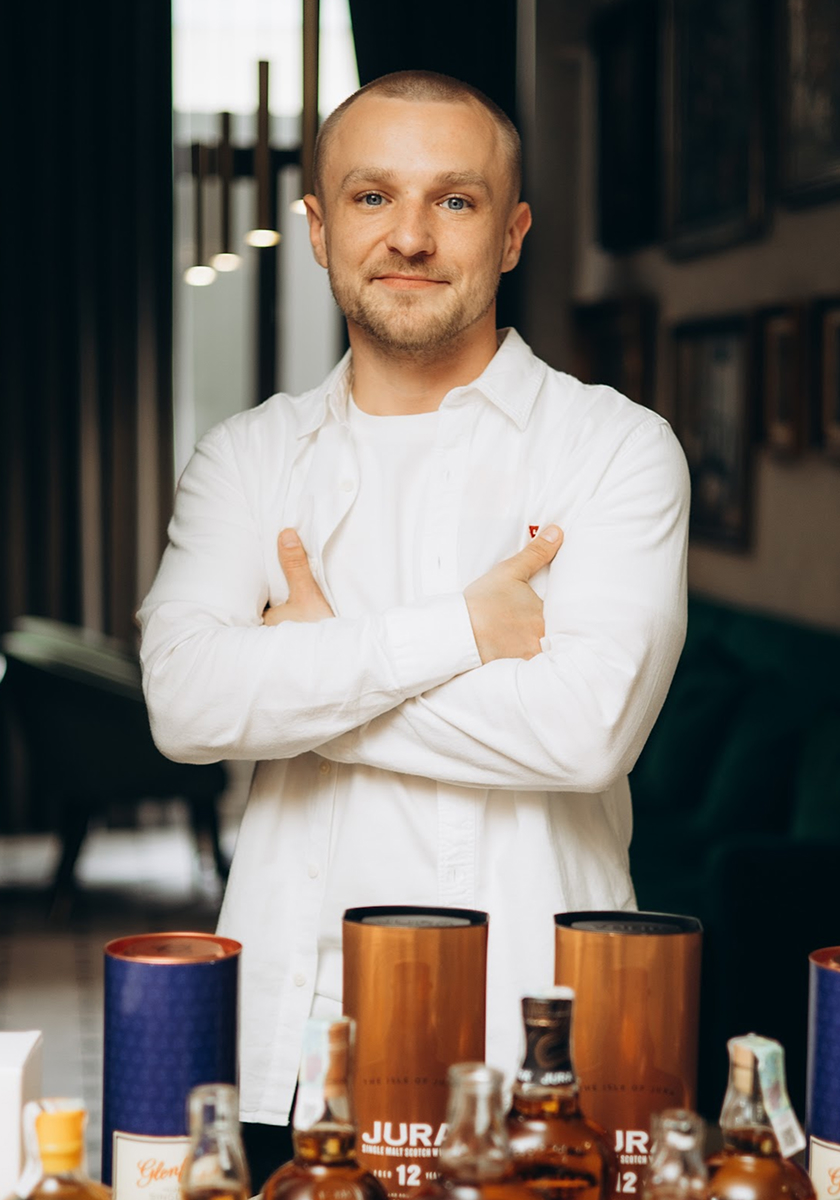
Matthew Tesov
Nice to Meet You!
A sommelier and wine expert with over seven years of experience in the wine industry, founder of Wine Academy, and author of courses that combine professional depth of knowledge with a relaxed, friendly atmosphere. Known simply as Matthew to his friends, he opens the door to the world of wine in such a way that every lecture or tasting becomes an exciting journey through aromas, flavors, and stories.
The Sommelier Profession: Expectations and Reality
Most people imagine the work of a sommelier as one endless celebration. It seems like daily tastings of rare vintages, regular trips to the sunny vineyards of Tuscany, and perfectly pressed elegant suits.
But behind the beautiful facade of this aesthetic profession, there is far more than inspiration, stylish photos, and effortless charm. There is also hard physical work, constant focus, responsibility, and many decisions that need to be made right here and right now.
This side of the profession is rarely shown in glossy magazines. But it is exactly what reveals whether you can not only fall in love with this field, but also stay in it for the long run.
Endless tastings vs inventory and heavy boxes
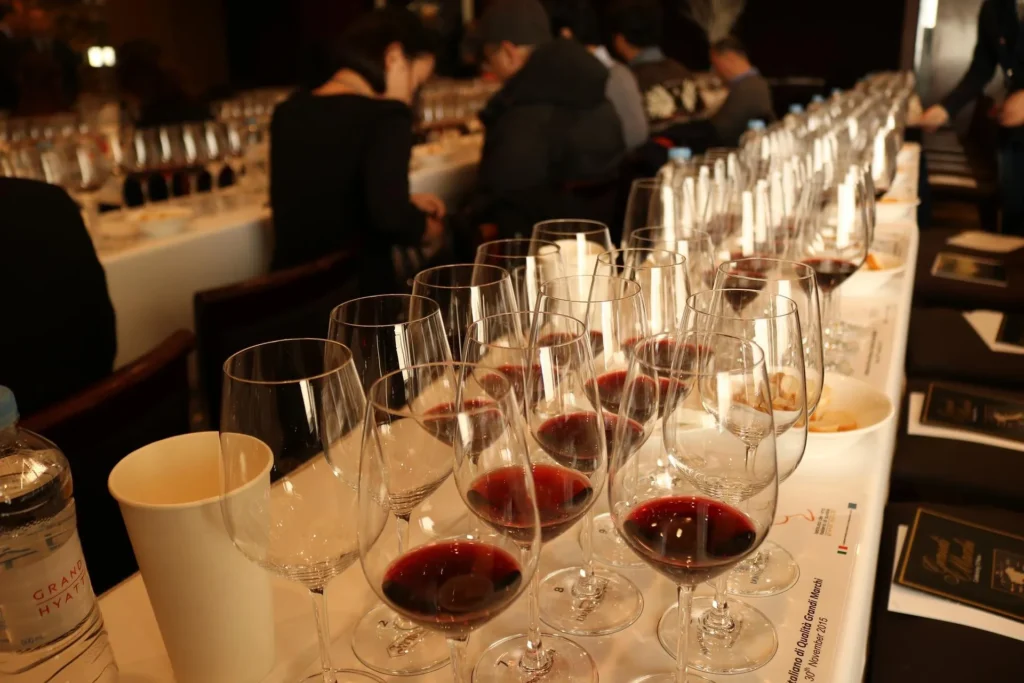
The most common myth is that a sommelier simply drinks wine and casually chats with guests. In real life, your working day will most often begin with receiving deliveries. An ordinary box of wine weighs around fifteen kilograms. You have to carry, sort, and place these boxes on shelves yourself.
Add to this the hours spent in a cold cellar during inventory checks. And then there is the constant polishing of hundreds of crystal glasses over steam until they shine perfectly. That is why physical endurance and readiness for routine work are just as important here as a perfectly trained nose.
Poetry of taste vs psychology and sales
It may seem that the main task of a sommelier is to beautifully and poetically describe notes of forest floor, tobacco, and old leather in an aged Bordeaux. However, in a restaurant dining room, you first and foremost work as a subtle psychologist and salesperson.
True mastery means sensing a guest’s tastes within a few minutes, understanding their comfortable budget, and delicately suggesting a wine that will best match the dish.
Sometimes, you have to calmly accept a client’s choice when they ask to add ice to an expensive red wine or order a sweet drink with a steak. Professional ethics and genuine hospitality always come before your personal wine beliefs.
Natural talent vs continuous learning
Many people believe that you need to be born with unique receptors to enter this profession. But the idea of a “super nose” is a myth.
The ability to recognize aromas does not come from theory alone. It comes from constant practice: daily training and blind tastings. The world of wine changes quickly, so a good sommelier never stops learning. They study appellations, soils, climate, and the specifics of every vintage.
What actually makes this profession so great
Despite all the challenges, sommeliers have something many professions lack. It is the constant discovery of something new, trips to wine regions, and that very moment when you choose the perfect pairing and see the guest’s reaction. Knowledge in this field never stands still. It grows throughout your entire life. And if you are drawn to this, not just to the pretty picture, this work gives a lot in return.
If you are ready for these challenges and truly want to turn your passion into a profession, it is worth starting with the right foundation. Structured sommelier courses will help you gain not only the necessary theoretical and practical skills, but also a deeper understanding of all the inner details of restaurant service.
Content: