
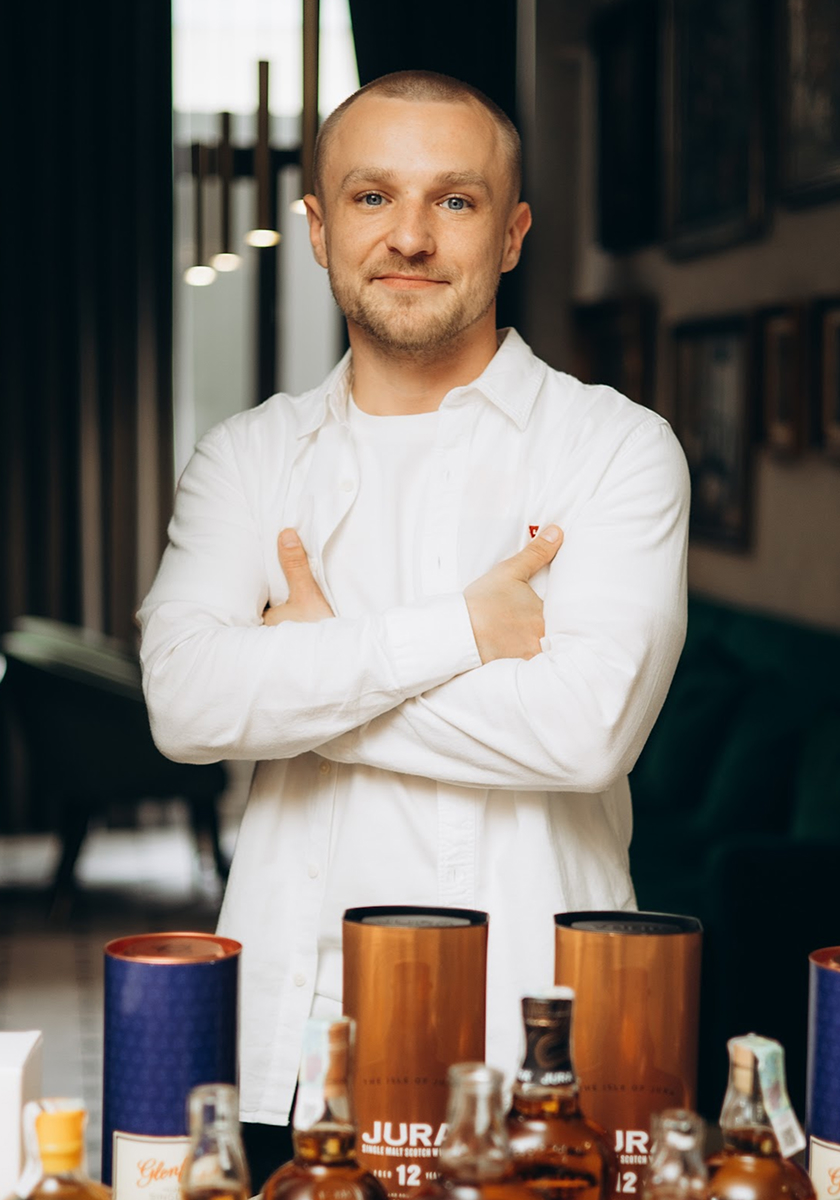
Matthew Tesov
Nice to Meet You!
A sommelier and wine expert with over seven years of experience in the wine industry, founder of Wine Academy, and author of courses that combine professional depth of knowledge with a relaxed, friendly atmosphere. Known simply as Matthew to his friends, he opens the door to the world of wine in such a way that every lecture or tasting becomes an exciting journey through aromas, flavors, and stories.
The Profession of Wine Taster: Why It’s Not the Same as a Sommelier
Did you know that every sommelier is an excellent taster, but not every taster is a sommelier? The fact is that the profession of sommelier is much broader and includes tasting skills as a mandatory tool. A wine taster, on the other hand, is a profession in which wine evaluation is the job itself. And although both roles require a deep understanding of wine, their tasks and focus are fundamentally different.
Who is a sommelier and what is their role?
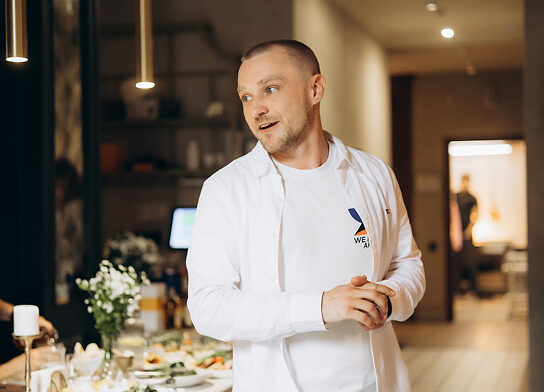
If you have ever visited a good restaurant, you may have met a sommelier there. Many people mistakenly believe that this is the profession of a wine taster, but in fact, the role of a sommelier is much broader and more responsible. This is not just a person who knows a lot about wine. This is a specialist who understands the characteristics of grapes, production regions, and the processes of creating beverages.
They are responsible for everything related to wine in the establishment, namely:
- creating the wine list,
- helping guests choose a drink to accompany their meal,
- managing the wine cellar.
It is the sommelier who orders wine from suppliers and controls all stocks. He also ensures that each bottle is stored in the right conditions.
Who is a taster?
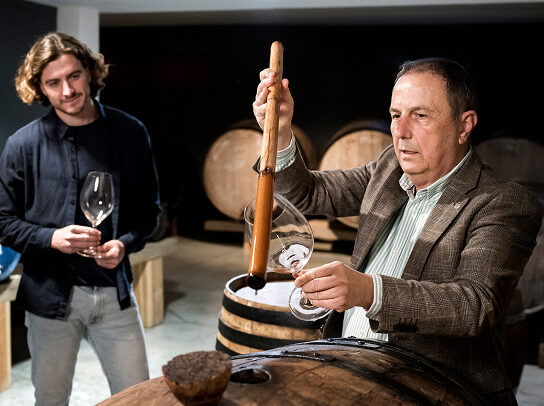
While a sommelier works with guests, the profession of a wine taster is more technical. The main task of this specialist is analysis and quality control, even at the stage of bottling alcohol.
A wine taster evaluates the characteristics of the product using sight, smell, and taste. Their main work takes place in wineries, production facilities, and laboratories. They check the wine for compliance with standards. And they do it this way:
- They look at the color, transparency, and clarity of the drink.
- They inhale and determine the “bouquet,” looking for both pleasant notes and possible defects.
- They taste the drink, analyze its texture, balance of acidity, sweetness, and bitterness, and aftertaste.
The main goal of the taster is to give an objective assessment. They must determine whether the product has any flaws, whether the batch is ready for release, and how good it is. Specialized wine tasting courses help to master these skills, laying the foundation for in-depth analysis of beverages.
It is worth noting that tasters are not limited to wine. There are also professional tasters of coffee (cup testers), tea, cheese, chocolate, olive oil, and more.
How to master the profession of wine taster
As we said at the beginning, every sommelier is, to a certain extent, obliged to be a taster. It is their main working tool. You have to agree that it is impossible to create the perfect wine and food pairing or manage a wine list without knowing how to analyze what is poured into a glass.
Although wine tasting is a profession with its own peculiarities, we teach the complex and exciting profession of sommelier through the detailed basics of tasting. This is the only way to become a true professional who understands wine.
Content: