

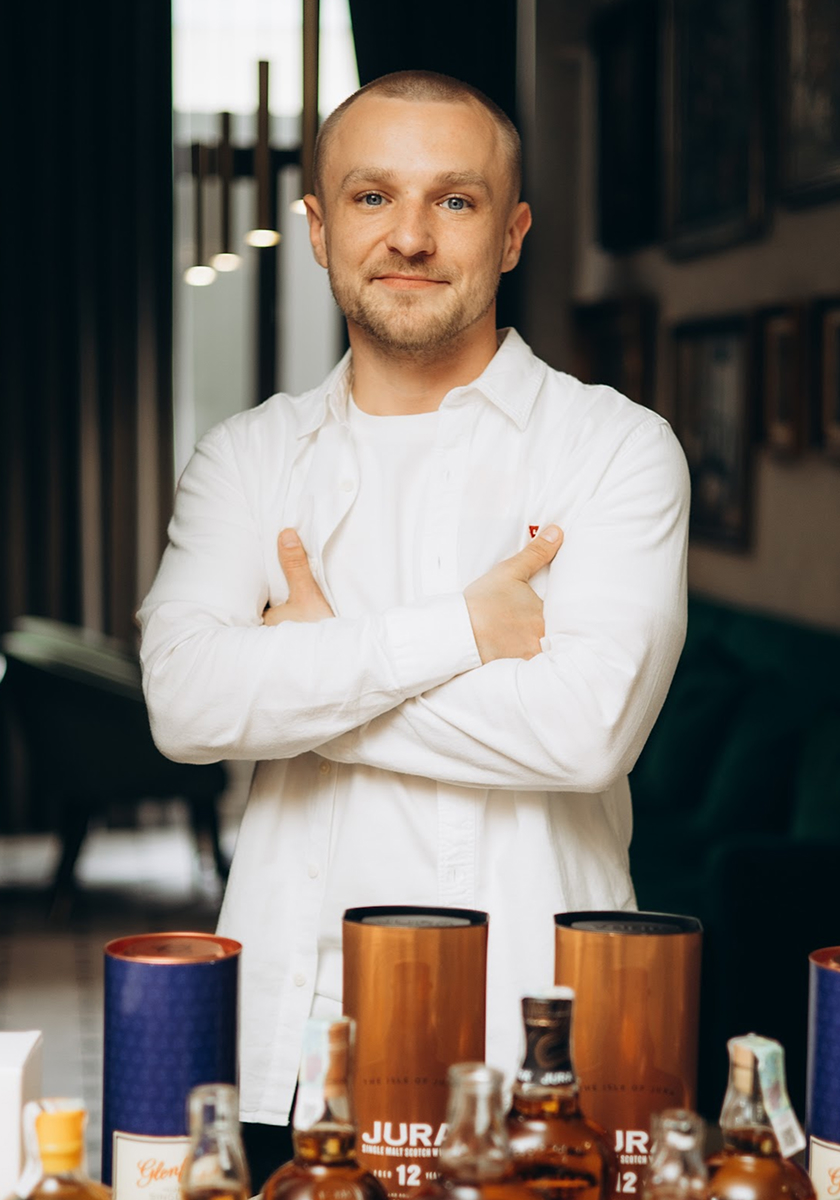
Matthew Tesov
Nice to Meet You!
A sommelier and wine expert with over seven years of experience in the wine industry, founder of Wine Academy, and author of courses that combine professional depth of knowledge with a relaxed, friendly atmosphere. Known simply as Matthew to his friends, he opens the door to the world of wine in such a way that every lecture or tasting becomes an exciting journey through aromas, flavors, and stories.
The Most Common Mistakes Made by Wine Beginners
Many people love wine, but far fewer know how to understand it. For beginners, the biggest obstacle is usually not the complexity of the subject but a handful of simple mistakes we make automatically. The good news is that almost all of them are easy to fix. Let us look at the most common ones so every glass gets a fair chance.
Why Mistakes Make Wine Harder to Understand
Wine is a living and fairly sensitive product. It reacts strongly to the conditions around it. Imagine listening to your favorite music through a pair of crackling headphones. The melody is still the same, but the enjoyment is gone.
Wine works the same way. Any technical mistake — the wrong temperature or an unsuitable glass, for example — acts like those bad headphones. It can mute the real aromas, exaggerate the alcohol, or flatten the flavor. You may be drinking an excellent wine but physically unable to experience its true character.
In other words, you are judging not the wine but your own mistake. That is why fixing the basics is the fastest way to start understanding wine and enjoying it more.
Mistakes When Choosing Wine
The first obstacle appears before the bottle is even opened. We often act on instinct and rely on outdated stereotypes that are better left behind.
Choosing Based on Price Alone
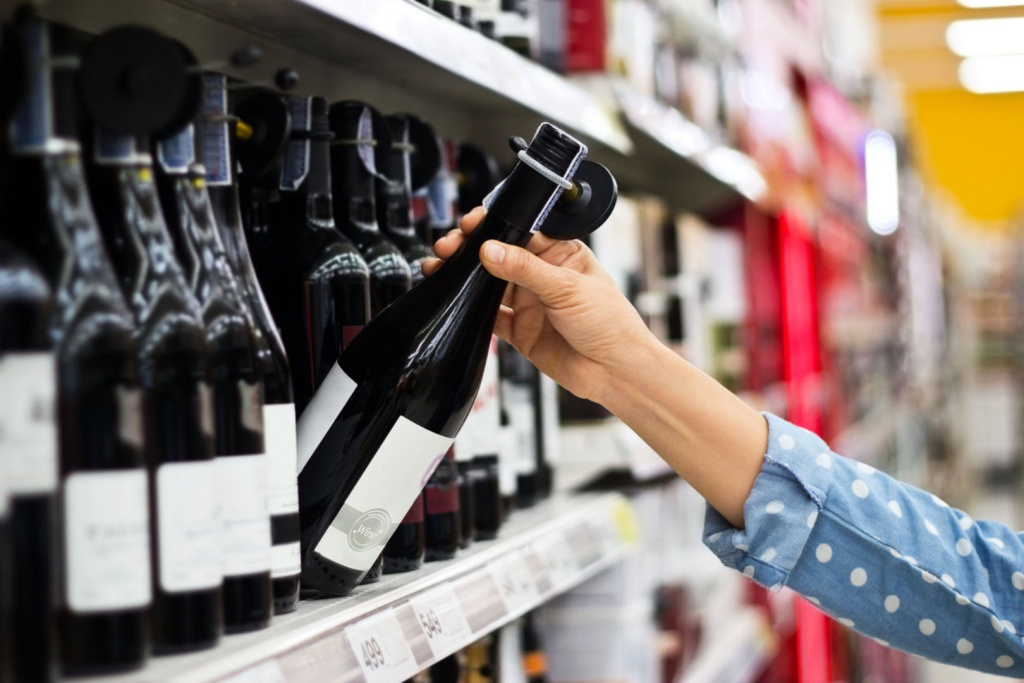
Price and quality are much less closely linked than people often assume. There are two common extremes. Some people believe that more expensive always means better and end up paying for the impression. Others grab the cheapest bottle and are disappointed. As usual, the truth is somewhere in the middle. The best value is often found neither on the top shelf nor the bottom one, but somewhere in between.
There are plenty of fresh, vibrant wines in the entry-level price range — Chilean Carménère or Portuguese Vinho Verde, for example — that can deliver a lot of pleasure without hurting your wallet.
Buying Wine for the Label
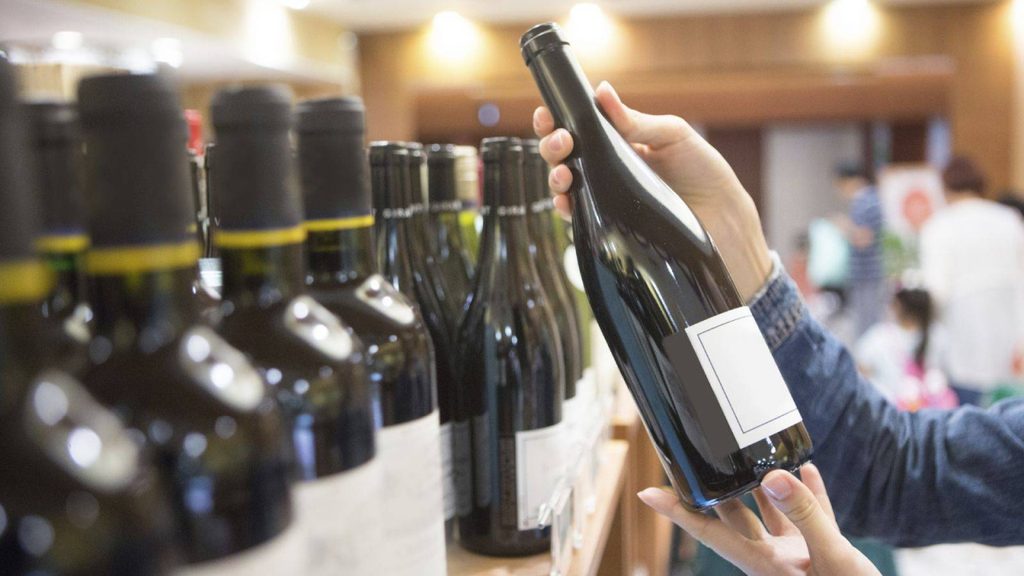
The second trap is an attractive bottle: luxurious gold embossing, heavy glass, or, at the other extreme, a modern minimalist label with a funny animal on the front. All of it makes your hand reach for the shelf. The problem is that money spent on eye-catching design can sometimes be offset by savings on the grapes themselves. A flashy exterior may hide very average wine.
It is much more useful to look at the grape variety and the region, which usually tell you far more about what the wine will taste like.
Mistakes in Storage and Serving
Suppose you chose the wine well. It can still be spoiled at home, literally a few minutes before the first sip.
Serving at the Wrong Temperature
This is probably the most common mistake of all, and people tend to make it in exactly the same way.
Red wine is served too warm, while white wine comes straight from the refrigerator almost ice-cold. As a result, warm red can taste heavy and overly alcoholic, while overchilled white seems to lose its aroma. The fix is simple: cool red wine briefly, and do not keep white wine too cold for too long.
Using the Wrong Glassware
Drinking wine from a teacup, plastic cup, or narrow shot glass means voluntarily giving up half the experience. Wine needs contact with oxygen so it can “breathe” and open up. In a proper tulip-shaped glass, the wider bowl gives the wine room for air, while the narrower rim gathers the aromas and directs them toward your nose. That is simply physics.
Mistakes During Tasting
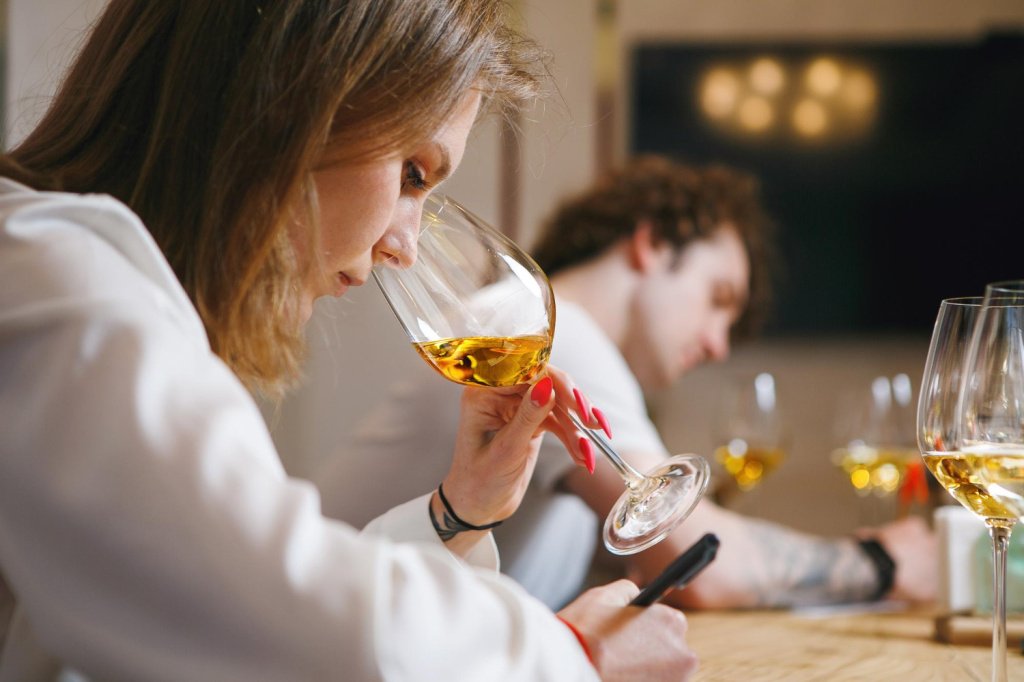
Then there is the tasting itself. Beginners often rush this part too and end up getting in their own way. The most common problems are:
- taking a quick gulp without swirling or smelling the wine first;
- trying to find the “correct” aromas instead of noticing your own associations;
- tasting too many wines in a row until the palate becomes fatigued;
- having strong surrounding smells nearby, from perfume to food;
- not taking notes, so the impressions are forgotten by the next day.
Notice that none of these mistakes has anything to do with talent. They are all about rushing and habit, which means they are easy to correct.
How to Avoid Typical Problems
Put everything together and the recipe is surprisingly simple. Give every wine a fair chance: the right temperature, a proper glass, and an open mind. Taste carefully, without rushing, and write down your impressions in at least a few words.
And of course, do not worry about making mistakes — they are part of the process. They disappear fastest when someone is there to point them out at the right moment. If you want to learn systematically instead of only through trial and error, training at a wine academy can help a lot.
Once you approach wine a little more simply while still respecting the basic rules, the whole world of wine opens up from a completely different — and incredibly delicious — angle.
Content: