


Matthew Tesov
Nice to Meet You!
A sommelier and wine expert with over seven years of experience in the wine industry, founder of Wine Academy, and author of courses that combine professional depth of knowledge with a relaxed, friendly atmosphere. Known simply as Matthew to his friends, he opens the door to the world of wine in such a way that every lecture or tasting becomes an exciting journey through aromas, flavors, and stories.
The Biggest Wine Trends of 2026
For a very long time, the wine world held tightly to its conservative traditions. It often felt as if the rules had been written centuries ago and would never change. Yet 2026 shows that the industry can be flexible and modern. We are living through a remarkable period in which wine snobbery is finally fading. Wine is becoming easier to understand, closer to nature, and — most importantly — closer to ordinary people. So what trends are shaping what ends up in our glasses right now? Let us take a look.
How the Global Wine Market Is Changing
The wine market is changing significantly. One reason is climate. Temperatures are rising, so winemakers have to look for cooler regions and rethink the timing and methods of harvest.
Second, the consumer has changed dramatically. We drink less, but we are much more intentional about what we choose. Today, buying alcohol for dinner is no longer enough. We care about the story behind the bottle. How was it made? Who made it? Was it produced responsibly?
The Rise of Organic Wine
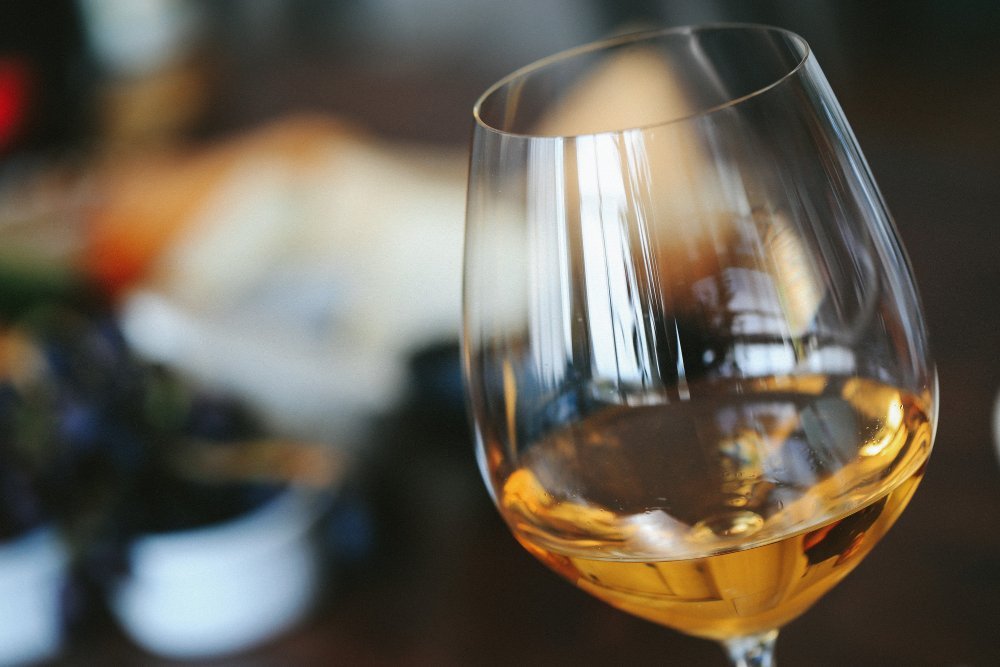
In 2026, organic winemaking has become a marker of quality. Consumers are increasingly rejecting products grown with aggressive chemicals and pesticides. At the same time, a new generation of farmers is going back to basics and treating the soil with far more care.
As a result, organic wines often feel more vivid and expressive. Today, seeing an environmental certification logo on a wine label is an everyday occurrence, even in an ordinary supermarket.
Growing Interest in Local Producers
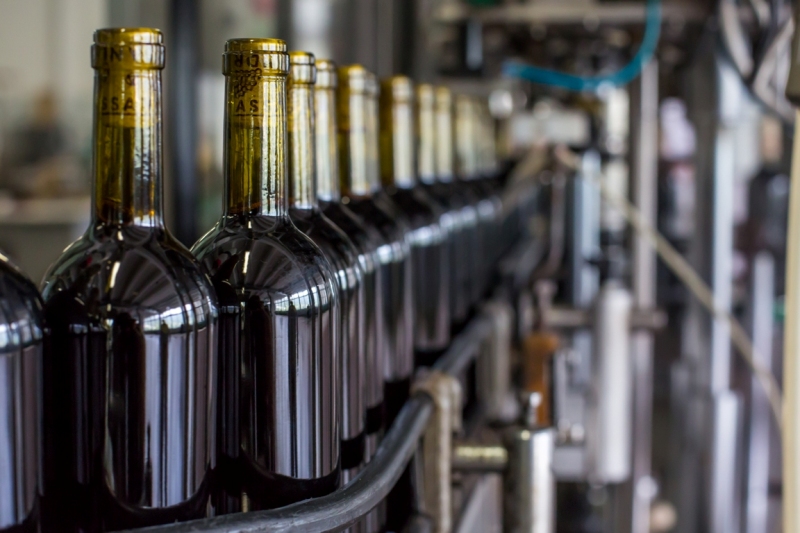
Another interesting shift is happening at the same time. Classic regions such as Bordeaux or Tuscany have long commanded premium prices, so more people are looking for something less obvious. Local winemakers and countries that used to stay in the background are moving into the spotlight.
There is also a very practical side to this trend. Buying local wine can significantly reduce the carbon footprint because the bottle does not need to travel halfway around the world by plane and truck. Local wineries also often produce unique small-batch releases that simply cannot be found in the mass market.
Today, wine lovers are increasingly excited by places such as Portugal, Greece, Austria, and Chile. These regions can offer wines with distinctive character and a strong sense of place at reasonable prices.
Wine tourism adds to the appeal, because a bottle brought home from a trip carries not only flavor but also a memory. In other words, buyers are increasingly choosing a story rather than just a brand.
New Consumer Preferences
Our tastes are changing too. Ten years ago, the benchmark might have been a heavy, powerful wine with a high alcohol level. Today, many people are looking for a completely different experience in the glass.
Lighter Wines
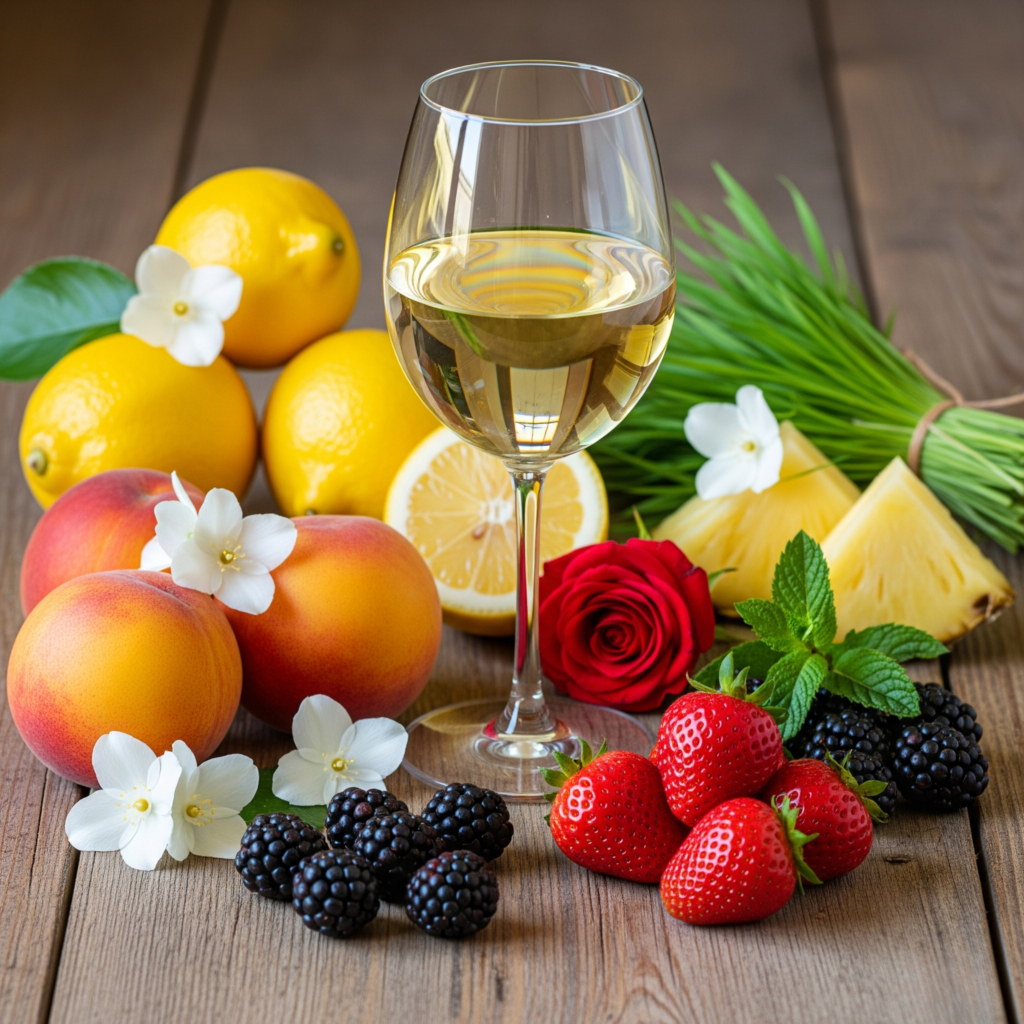
The idea that red wine has to be powerful and full-bodied is fading. So-called “glou-glou” wines are now at the height of popularity. These are light, incredibly juicy and fresh red or white wines with relatively low alcohol. They do not require complicated food pairings, are easy to drink, and work perfectly for a relaxed evening.
The same trend includes chillable reds — light wines with good acidity that are served slightly cool.
Sparkling Wines

Sparkling wine is no longer reserved only for celebrations. More and more often, people open it simply with dinner or when meeting friends. Interest also goes far beyond familiar Prosecco. Consumers are discovering Spanish Cava, French Crémant, sparkling rosé, and bolder styles.
Less Familiar Grape Varieties
This may be the most interesting trend of all. Chardonnay, Sauvignon Blanc, and Cabernet Sauvignon are not going anywhere, but many people are ready for something new. In 2026, indigenous grape varieties are having a moment. Among those gaining attention are:
- Assyrtiko from Greece — mineral and remarkably fresh;
- Albariño from Spain — citrusy and slightly saline;
- Touriga Nacional from Portugal — rich and aromatic;
- Grüner Veltliner from Austria — lively and spicy.
Interestingly, people most often discover these grapes in restaurants, wine bars, and on social media rather than through old habits. Curiosity is gradually winning over loyalty to one or two familiar names.
What to Expect from the Market in the Coming Years
Looking a little further ahead, the main directions are already visible. We are likely to see:
- continued premiumization — choosing quality over quantity;
- rapid growth in alcohol-free and low-alcohol wines, which have finally become genuinely enjoyable;
- the growing impact of climate, which is bringing new regions and heat-resistant grape varieties into focus;
- sustainability becoming the norm rather than a pleasant exception.
To put one part of the trend into perspective, the market for alcohol-free wine and beer is estimated at around $35 billion by 2026, and that is only one growing segment. Wine tourism is also gaining momentum year after year.
What all these trends have in common is curiosity and greater awareness. Wine is becoming easier to understand, more diverse, and closer to ordinary people. If you want not only to watch these changes but to navigate them confidently, training at a wine academy can be a great help. The more you understand wine, the more interesting it becomes to follow the industry.
Content: