


Matthew Tesov
Nice to Meet You!
A sommelier and wine expert with over seven years of experience in the wine industry, founder of Wine Academy, and author of courses that combine professional depth of knowledge with a relaxed, friendly atmosphere. Known simply as Matthew to his friends, he opens the door to the world of wine in such a way that every lecture or tasting becomes an exciting journey through aromas, flavors, and stories.
Popular Wine Regions of the World and Their Characteristics
The world of wine is extremely diverse. Two bottles made from the same grape variety can have completely different characteristics simply because they come from different regions. The place of production plays a key role in shaping the style of wine. The climate, soil, traditions, and approach of winemakers create a unique identity for each region.
Knowledge of wine regions helps you navigate your wine choices and understand what to expect from a bottle before you take your first sip. Let’s take a look at the world’s most popular wine regions and their distinctive characteristics.
France – classics and terroir
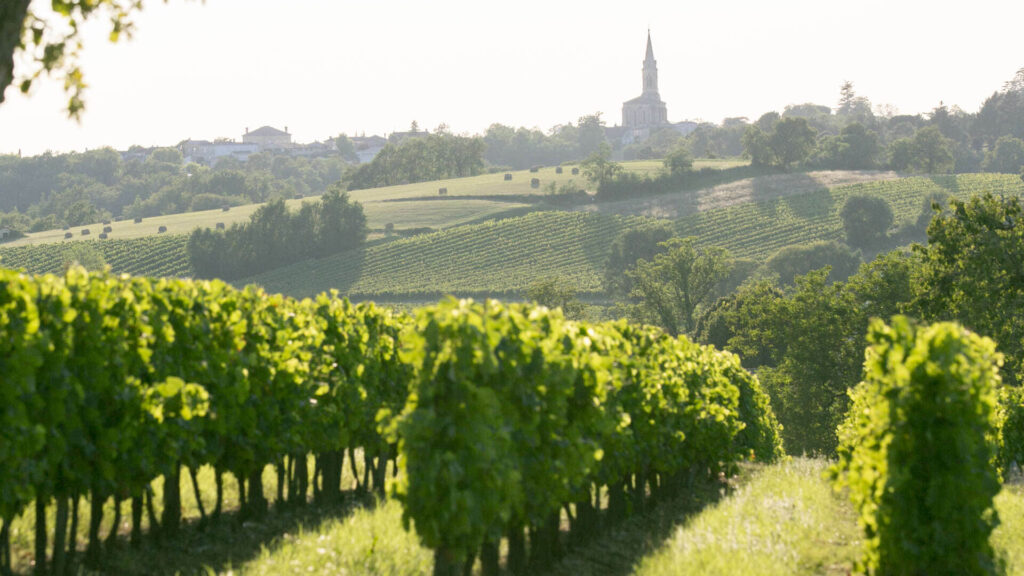
France is considered one of the most influential wine countries in the world. It was here that the concept of terroir was formed – a combination of climate, soil, and human factors. French wines rarely focus on grape variety, instead emphasizing the region of origin.
Bordeaux is known for its structured red wines based on Cabernet Sauvignon and Merlot. Burgundy, on the other hand, showcases the elegance of Pinot Noir and Chardonnay. Champagne is associated with sparkling wines, where balance and acidity are key.
Italy – a diversity of styles and varieties
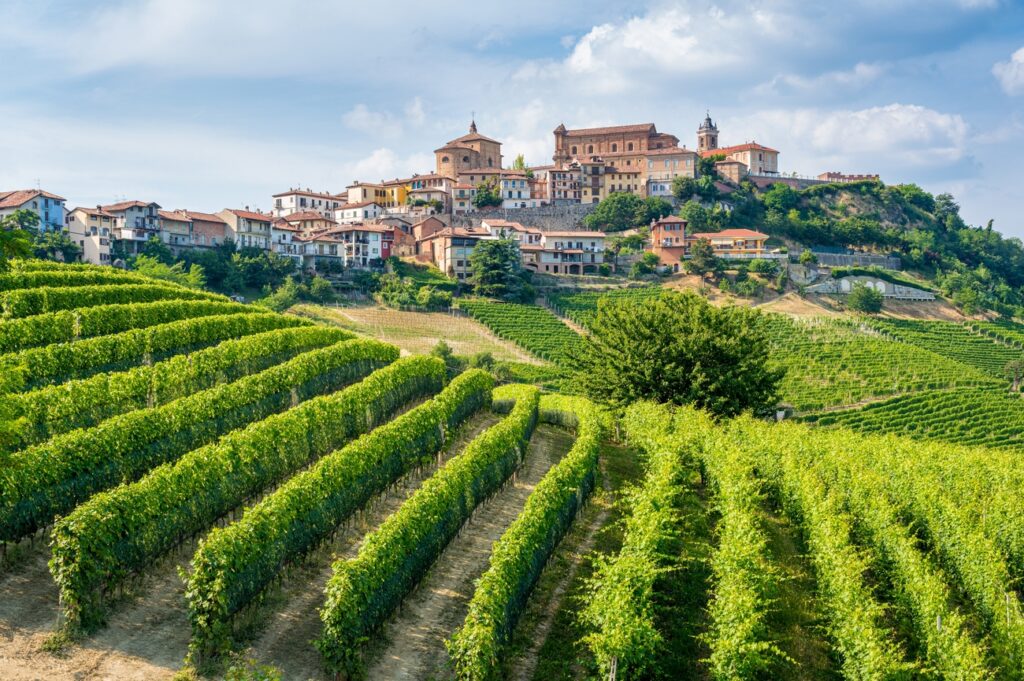
Italy impresses with its abundance of indigenous grape varieties and regional styles. Here, almost every region has its own wine character, shaped by history and local traditions.
Tuscany is associated with Sangiovese and wines that combine acidity, structure, and gastronomic qualities. Piedmont is known for Barolo and Barbaresco – powerful, complex wines with great aging potential. The southern regions offer sunnier, more intense styles.
Italian wines are often created for food, so they fit easily into everyday gastronomic combinations.
Spain – a balance of tradition and modernity
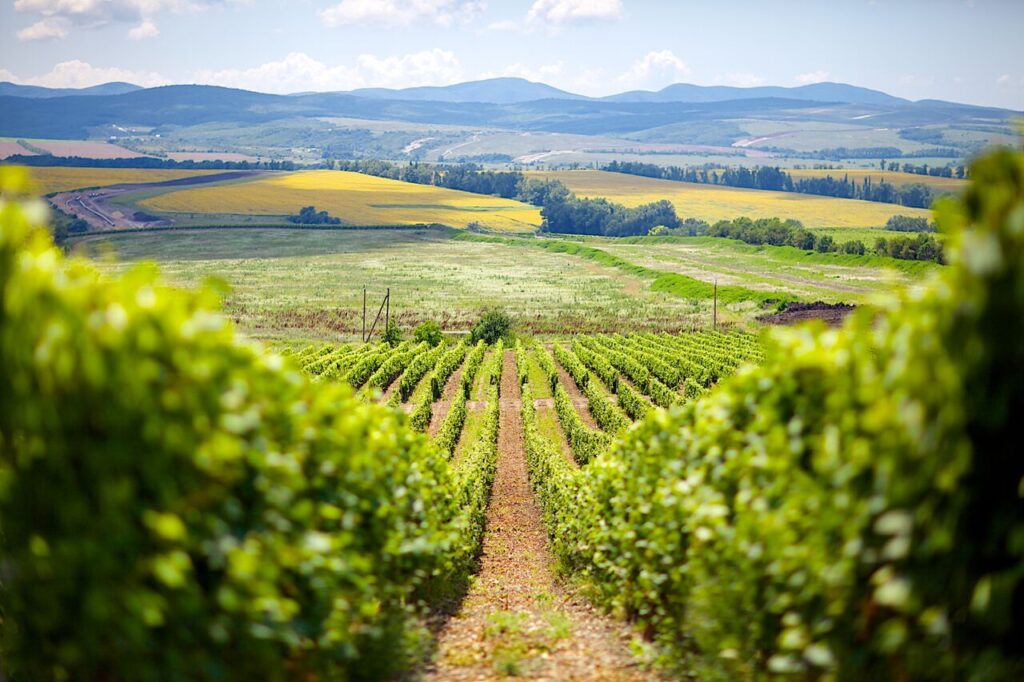
Spain has long been associated with aged wines, but today it offers a wide range of styles, from classic to modern and experimental.
Rioja is known for its Tempranillo-based wines with characteristic oak aging. Ribera del Duero offers more concentrated and powerful styles. Fresh white wines with high acidity are popular in coastal regions.
USA – expressiveness and recognizability
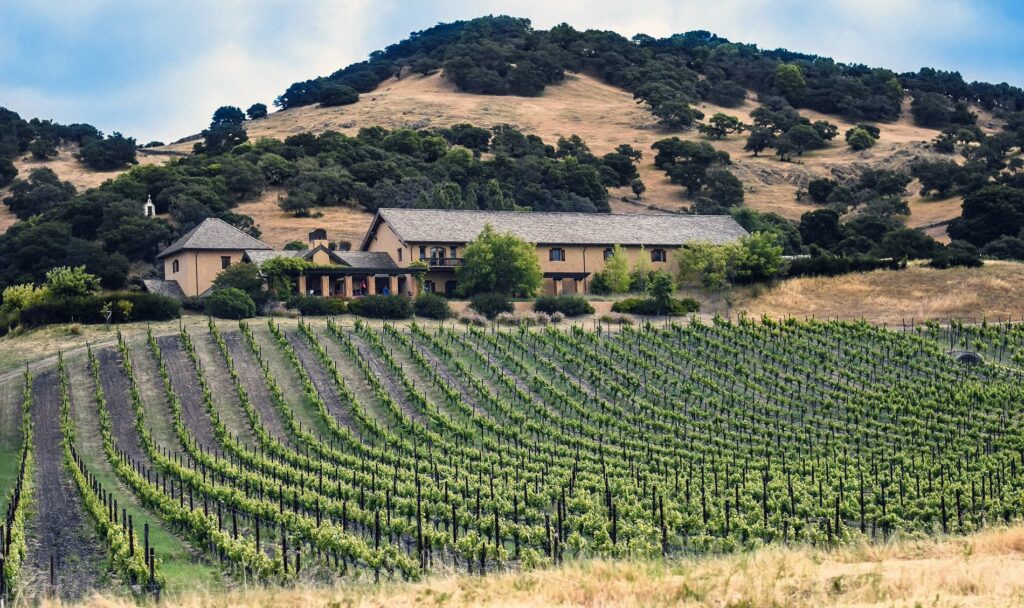
Wine production in the USA is primarily associated with California. Here, wines often have a bright, open style that is easy to understand even without in-depth knowledge.
Napa Valley is known for its rich Cabernet Sauvignons, while Sonoma showcases cooler and more elegant styles of Pinot Noir and Chardonnay. American winemakers actively use modern technologies to create wines with a distinct profile.
Conclusion
Wine regions shape the character of wine no less than the grape variety. Understanding the origin helps to predict the style, taste, and even mood of the wine before the bottle is uncorked.
In order to not just memorize the names of regions, but to understand their logic and differences, it is important to have systematic knowledge. This is exactly what is taught in the wine courses at the Wine & Spirit Academy. Step by step, a holistic view of the world’s wine map is formed.
Remember: wine becomes much more interesting when there is a clear story behind each bottle.
Content: