
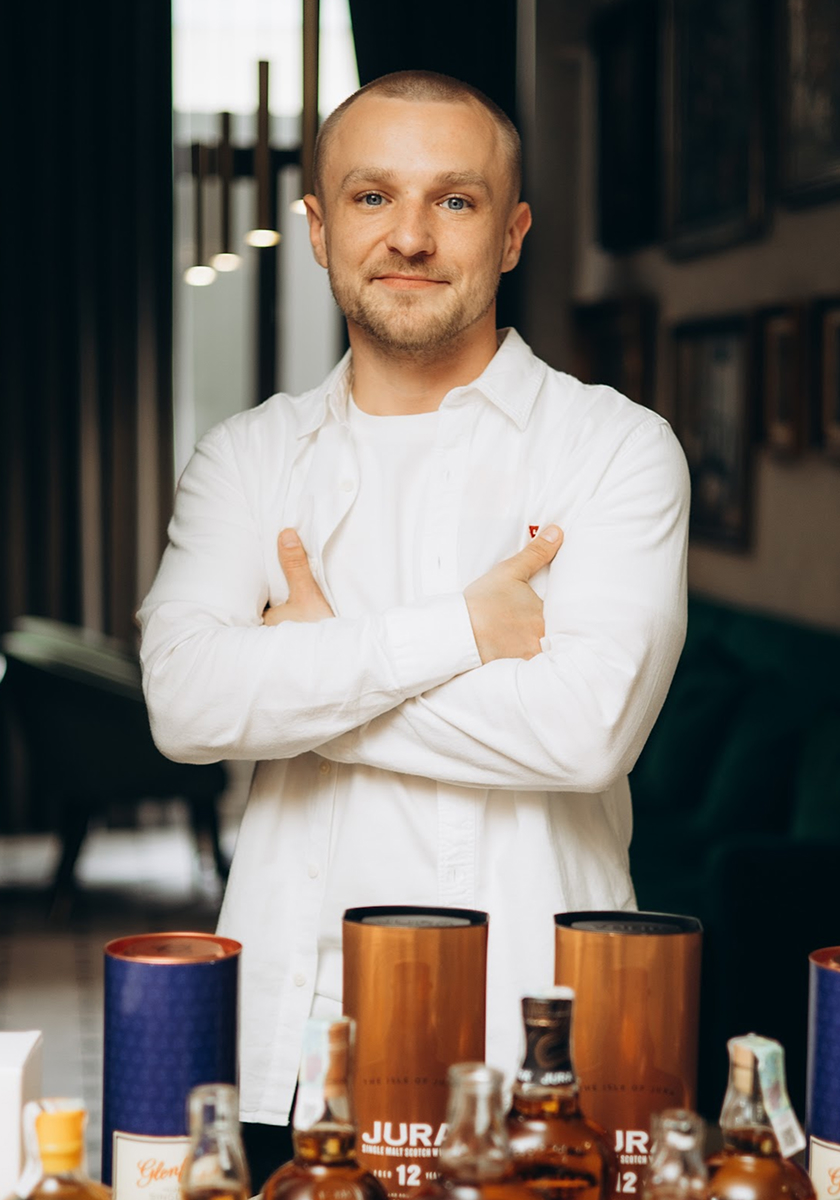
Matthew Tesov
Nice to Meet You!
A sommelier and wine expert with over seven years of experience in the wine industry, founder of Wine Academy, and author of courses that combine professional depth of knowledge with a relaxed, friendly atmosphere. Known simply as Matthew to his friends, he opens the door to the world of wine in such a way that every lecture or tasting becomes an exciting journey through aromas, flavors, and stories.
How to Talk About Wine with Confidence, Even If You’re Not a Sommelier
A familiar situation: someone opens a bottle in company, everyone starts discussing the wine, and you feel slightly out of place. You want to say something smart, but all that comes to mind is “tasty” or “not really”. Meanwhile, people around you confidently use words like “tannins”, “terroir”, and “finish”, and it is hard to understand whether they really feel all that or are just very good at pretending.
The truth is somewhere in the middle. Speaking about wine clearly and confidently is a skill that can be learned quite quickly. No natural talent is required. All you need is a simple system and a little practice.
Four questions that structure any tasting
Professional tasters evaluate wine according to a clear system. In a simplified form, it comes down to four questions that are easy to remember and use right away.
What do I see?
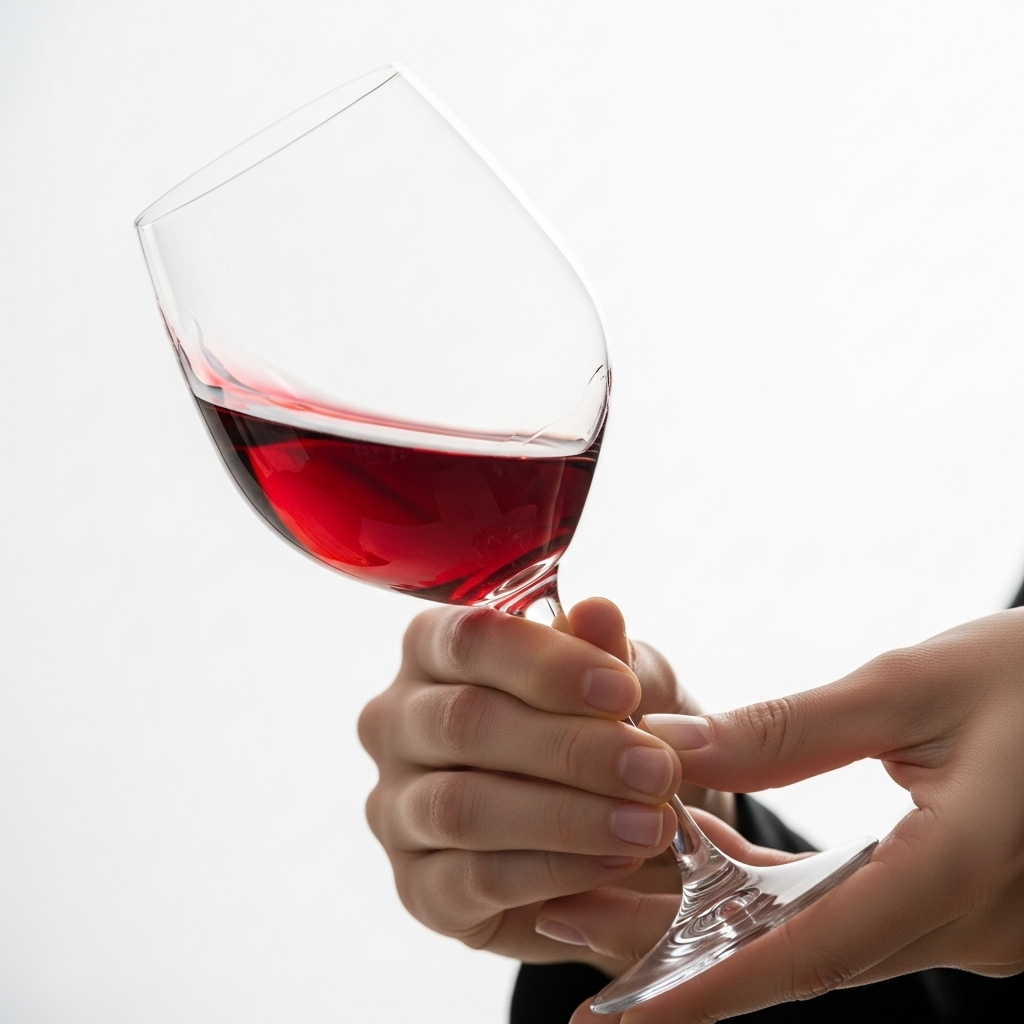
Look at the color and clarity. White wine can be pale straw, golden, or amber. Red wine can range from ruby to almost opaque dark garnet. Color intensity often says something about the age of the wine and the richness of its style.
What do I smell?
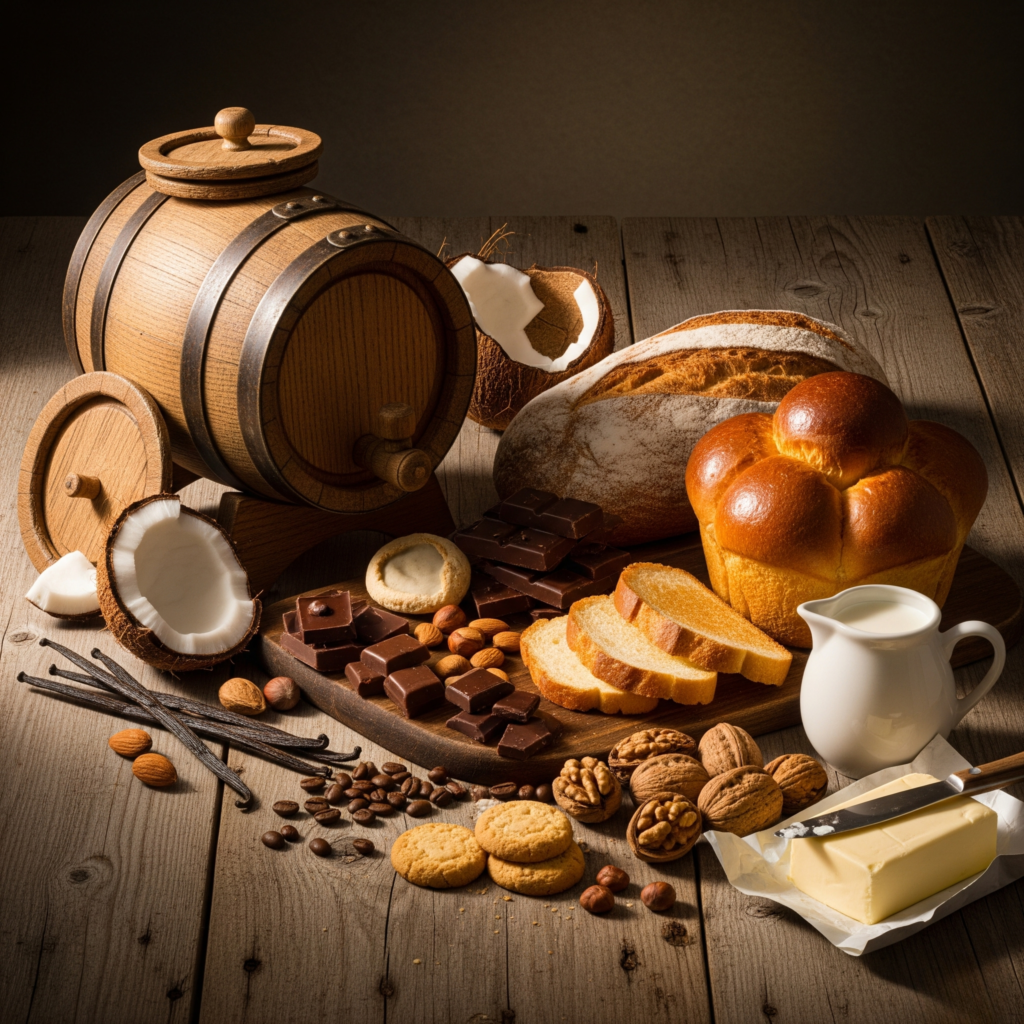
Bring the glass to your nose and take a calm breath. You do not need to name twenty different notes at once. Start simple: is it fruity or non-fruity? Fresh or heavier? Does it remind you of something familiar: berries, citrus, flowers, spices, earth, or wood?
What do I taste?
Take a sip and pay attention to several parameters. Is it sweet or dry? Light or full-bodied? Can you feel the acidity? Is there an astringent feeling in your mouth? How long does the finish last?
What is the overall balance?
A good wine is not a wine without flaws, but a wine in which all elements are harmonious. If acidity, tannins, alcohol, and fruitiness balance each other, the wine is well-balanced. This is the main quality criterion available to everyone.
The basic vocabulary that actually works
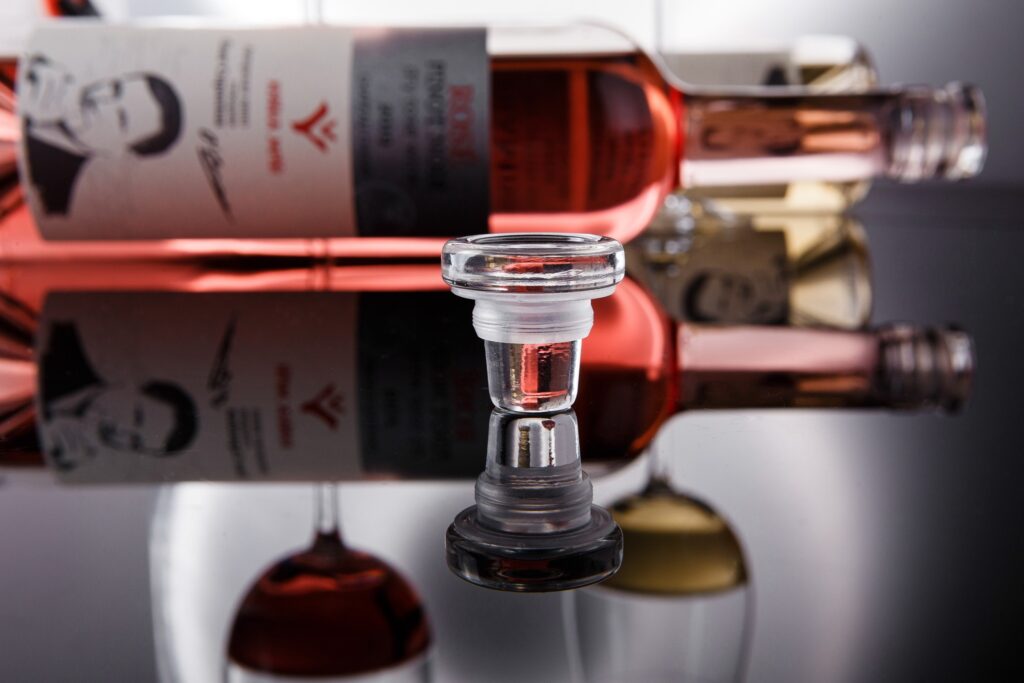
You do not need to know hundreds of descriptors to talk about wine meaningfully. It is enough to master a few basic terms and use them accurately:
- Acidity – the feeling of freshness and a slight tingling on the tongue. High acidity makes wine lively and refreshing, while low acidity makes it softer and rounder.
- Tannins – an astringent sensation in the mouth, typical of red wines. It feels like a slight dryness on the gums after a sip. The more tannins there are, the more structured the wine is.
- Body – the feeling of density or weight of the wine in the mouth. A light body feels closer to water, while a full body feels closer to cream.
- Finish – what remains in your mouth after you swallow the wine. The longer and more pleasant the finish, the higher the quality of the wine.
- Balance – the relationship between all the elements. If one element stands out too much and gets in the way, the wine is unbalanced.
Confidence in any topic comes from one source: knowledge supported by practice. You can read about wine endlessly, but until you start tasting regularly and consciously, the language will still feel foreign. If you want to speed up this process and build a truly systematic understanding of wine, it is worth looking into structured education.
Sommelier courses at Matthew Wine & Spirit Academy provide exactly what most wine lovers lack: not just a set of facts, but a logic of perception that then works with any wine in any situation.
Content: