

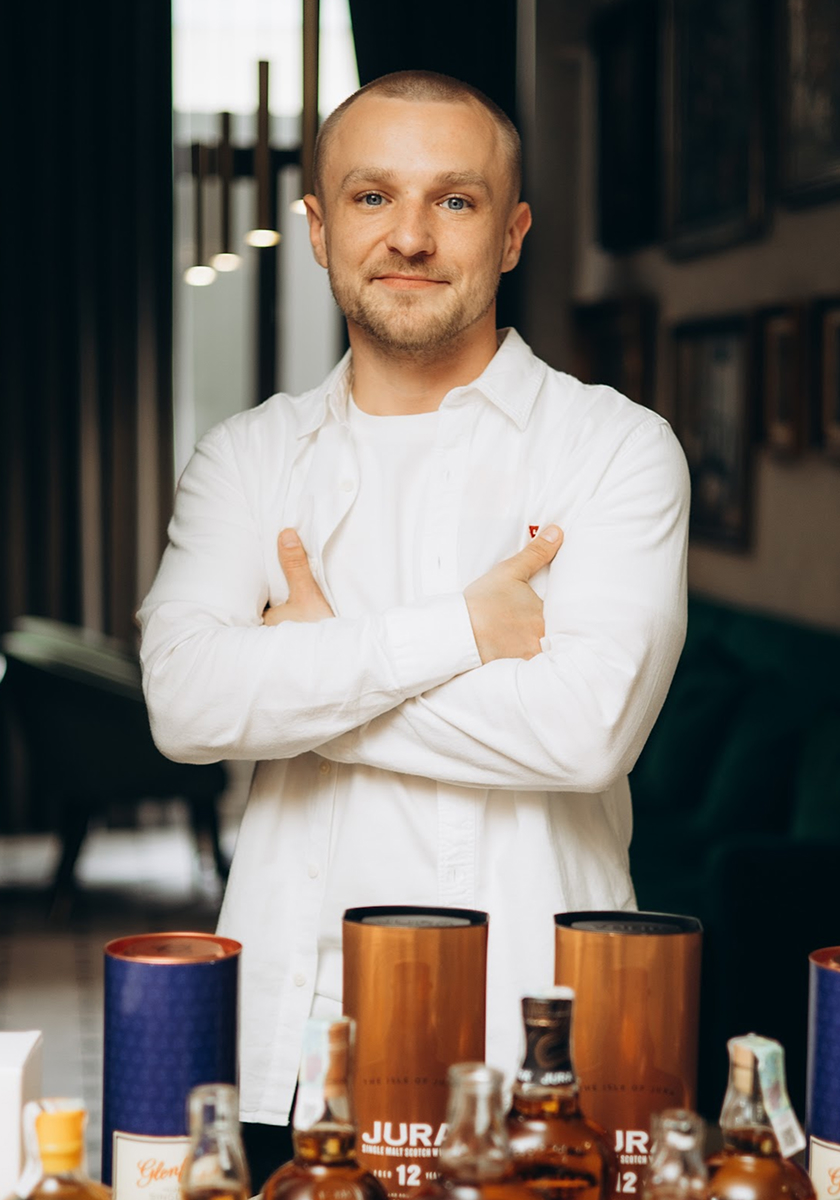
Matthew Tesov
Nice to Meet You!
A sommelier and wine expert with over seven years of experience in the wine industry, founder of Wine Academy, and author of courses that combine professional depth of knowledge with a relaxed, friendly atmosphere. Known simply as Matthew to his friends, he opens the door to the world of wine in such a way that every lecture or tasting becomes an exciting journey through aromas, flavors, and stories.
How to Stop Choosing Wine Based on the Label: A Guide for Informed Shoppers
This situation is familiar to almost everyone. You stand in front of the shelf and reach for the bottle with the prettiest label or a gold medal. The logic is understandable, because it seems there is nothing else to rely on. Producers know this human weakness very well. They hire the best illustrators to hide a rather mediocre drink behind a beautiful piece of paper.
After all, the label itself says almost nothing about the taste of the wine. And once you learn to look past it, your purchases will immediately become more successful. Let’s look at how to do it.
Marketing vs real contents
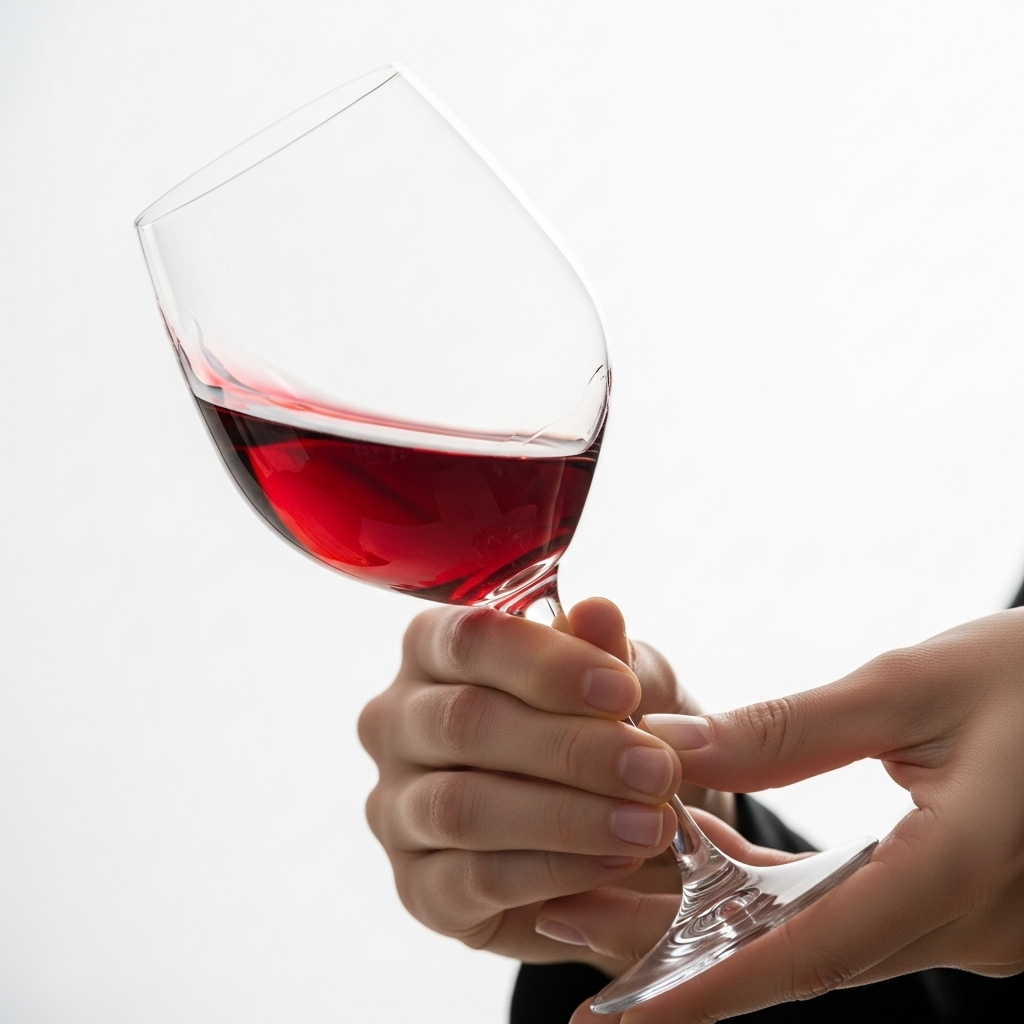
Luxurious gold embossing and a heavy, massive bottle often create the illusion of premium quality. However, these are just effective hooks for our subconscious. The real quality of the drink is determined by terroir, grape variety, and the skill of the winemaker. The printing budget plays no role here.
European classics traditionally look as restrained as possible. Usually, it is just a white background, black font, and the winemaker family’s coat of arms. Meanwhile, budget brands from the New World often shout with bright colors, trying to stand out on the shelf.
What you should really look at

All the real magic is hidden on the back of the bottle. The back label is the wine’s passport, and it cannot be faked with stylish design. Pay attention to these key markers when buying:
- Region of origin. A label saying the wine comes from the European Union should be a serious warning sign for you. Look for specifics. The more precise the location, the higher the overall quality control in production.
- Vintage. For basic white and rosé wines, freshness is a critically important feature. Choose a vintage no older than two or three years.
- Alcohol content. It indirectly hints at the body of the wine. Light, fresh wines usually have around eleven percent alcohol, while powerful reds can easily reach fifteen.
These basic rules will help you quickly filter out low-quality mass-market wines and focus on truly worthy options.
How to finally break the system
To stop being a victim of marketing, you need to develop your own expertise. Understanding regions and production methods gives you complete freedom. You begin to see through any label and know exactly what is inside the bottle.
If you want to structure this knowledge, it is worth paying attention to professional sommelier courses in Kyiv, available at https://matthewswine.com/en/sommelier-courses-in-kyiv/.
Systematic learning radically changes your approach to choosing wine. From now on, you will consciously invest your money in your own gastronomic experience instead of financing someone else’s designers.
Content: