


Matthew Tesov
Nice to Meet You!
A sommelier and wine expert with over seven years of experience in the wine industry, founder of Wine Academy, and author of courses that combine professional depth of knowledge with a relaxed, friendly atmosphere. Known simply as Matthew to his friends, he opens the door to the world of wine in such a way that every lecture or tasting becomes an exciting journey through aromas, flavors, and stories.
How to Learn to Tell the Difference Between Cabernet and Merlot in Just One Evening
In front of you are two glasses of red wine. Visually, they look almost identical. A rich ruby color, characteristic “legs” on the walls of the glass, and a pleasant fruity aroma.
Most beginners simply give up at this point and start guessing. However, for a professional sommelier, telling Cabernet Sauvignon from Merlot is one of the simplest basic tasks, something like distinguishing a strong espresso from a soft latte.
Of course, these two great French varieties share common roots, but their physiology and chemical composition differ dramatically.
Anatomy of varieties: the skin decides everything
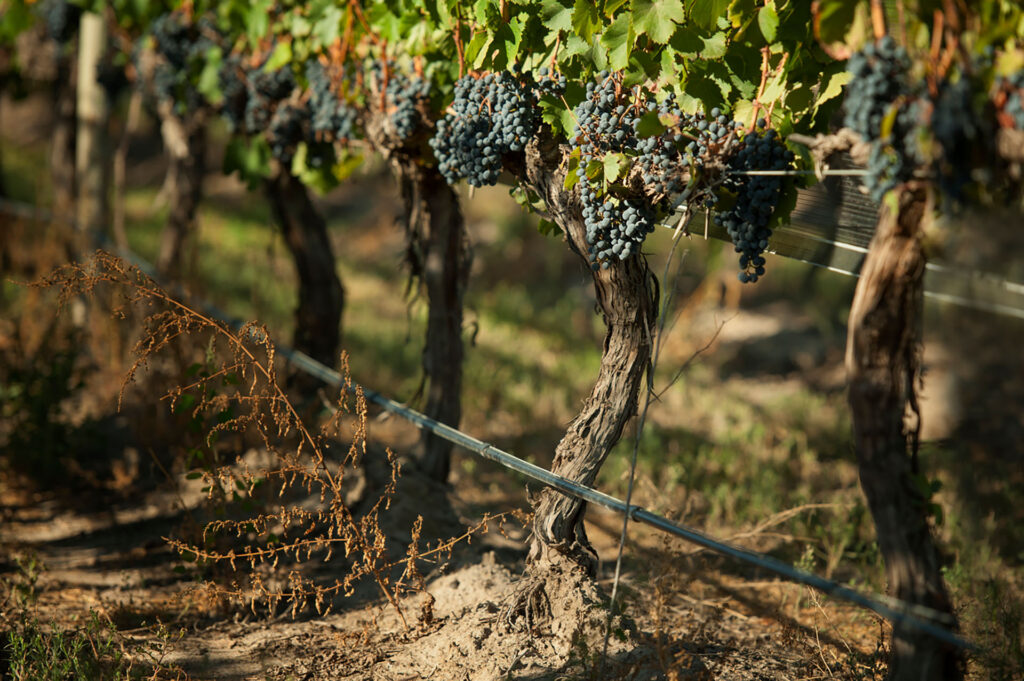
The main secret is hidden in the vineyard. Cabernet Sauvignon has an extremely thick skin. This is where tannins and coloring substances are concentrated. As a result, the wine turns out dark, almost ink-black and opaque, with a dense and somewhat aggressive structure.
Black berries always dominate the aroma: ripe blackcurrant and blackberry. You can often catch a light note of green bell pepper or eucalyptus. This is the signature marker of this variety.
Merlot, on the other hand, has much thinner skin and a larger berry size. Accordingly, the level of tannins is noticeably lower. The color of the wine is lighter, often with a slight brick or raspberry tint around the edge of the glass.
Merlot’s aromatic profile is always softer and warmer. Ripe red berries, plum, and cherry take the lead here, while noble hints of milk chocolate or violet may sometimes appear.
Texture in the mouth: angles vs velvet
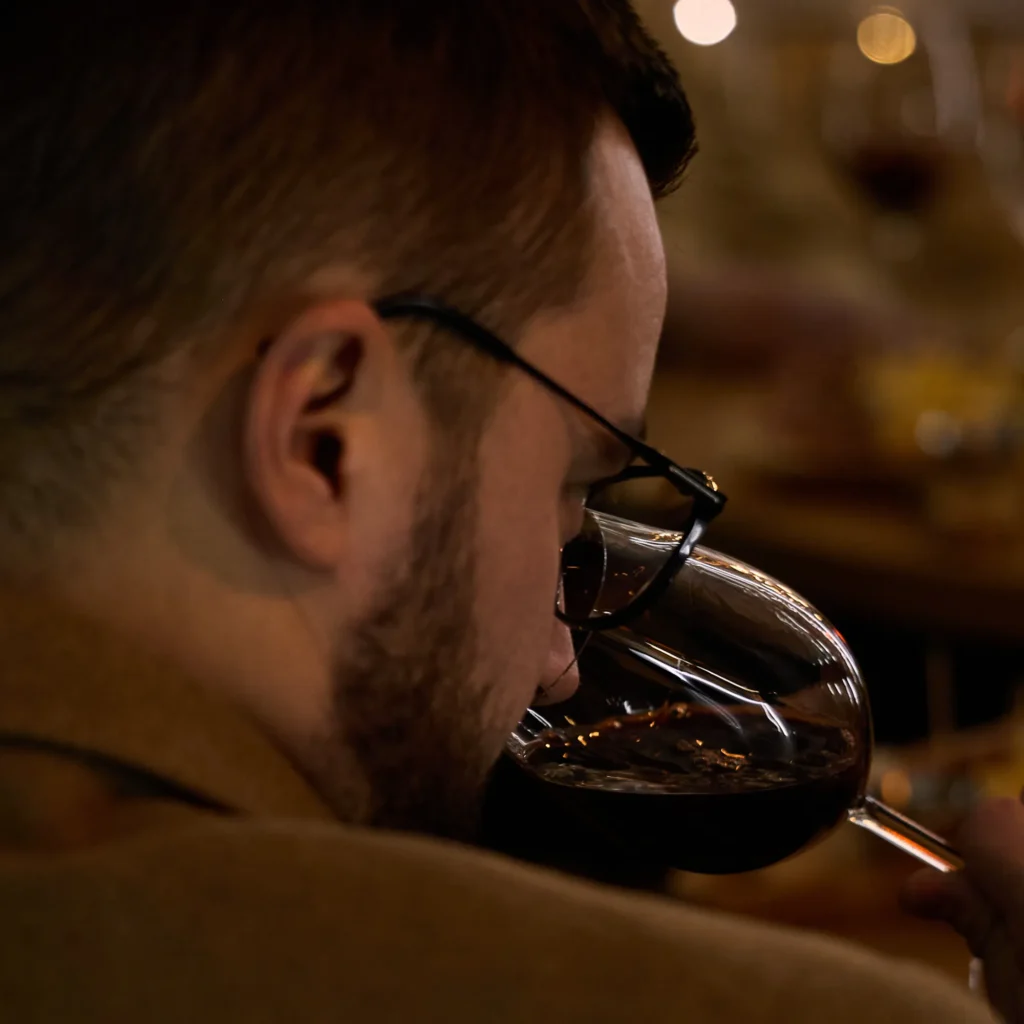
If the aromas seem too similar to you, the main test happens directly during the sip. Try to completely abstract yourself from the taste and focus only on the physical sensations.
Cabernet feels powerful and structured in the mouth. It literally “dries out” the gums and palate. Professionals often describe this dry texture as rough or angular.
Merlot, by contrast, fills the mouth softly, like velvet. It has a rounded body, does not create a sharp dry sensation on the gums, and leaves a pleasant, slightly sweet fruity aftertaste.
In fact, it is precisely because of this striking difference that Bordeaux winemakers have been blending these two varieties together for centuries. Cabernet gives the wine a strong “skeleton,” while Merlot builds soft “fruit flesh” around it.
How to run a home experiment

It is impossible to master this difference through theory alone. Your receptors need real practice. Buy two bottles of single-varietal wine: 100% Cabernet and 100% Merlot. It is best to choose basic wines from the same region, for example, warm Chile or Argentina, so the climate does not distort the purity of the experiment. Pour them into identical glasses, compare the color against a white sheet of paper, thoughtfully evaluate the aroma, and only then move on to the sip.
You will immediately feel that same difference in structure. To reinforce this experience and learn to describe your sensations professionally, it is worth adding a bit of an academic approach. A properly organized online wine tasting guided by an experienced expert will help you fully calibrate your receptors and avoid common beginner mistakes.
In the end, the ability to distinguish key international varieties blind is the first serious step from an ordinary consumer to a true wine enthusiast. You can take this step in just one cozy evening at home.
Content: