

Matthew Tesov
Nice to Meet You!
A sommelier and wine expert with over seven years of experience in the wine industry, founder of Wine Academy, and author of courses that combine professional depth of knowledge with a relaxed, friendly atmosphere. Known simply as Matthew to his friends, he opens the door to the world of wine in such a way that every lecture or tasting becomes an exciting journey through aromas, flavors, and stories.
How to Learn About Wine from Scratch
Understanding wine is much easier than people tend to think. You do not need a special talent, a big budget, or years spent living abroad. All you need is the right approach and a little practice.
Why Most People Do Not Understand Wine

Most of the time, people drink wine while eating or talking and barely pay attention to the drink itself. Bottles are chosen at random and rarely tasted side by side, and without comparison the palate has nothing to anchor itself to. Add unfamiliar terminology and a light layer of snobbery that can make people feel awkward asking questions, and the problem becomes obvious.
As a result, there may be impressions, but they never form a system. A person can drink wine for years and still remain at the level of “I like it” or “I do not.” That is why talent is not what matters here — the approach is, and it can absolutely be changed.
Where to Start Learning About Wine
Do not try to learn everything at once. Start with the simplest, broadest categories, and the details will come later.
Main Wine Styles
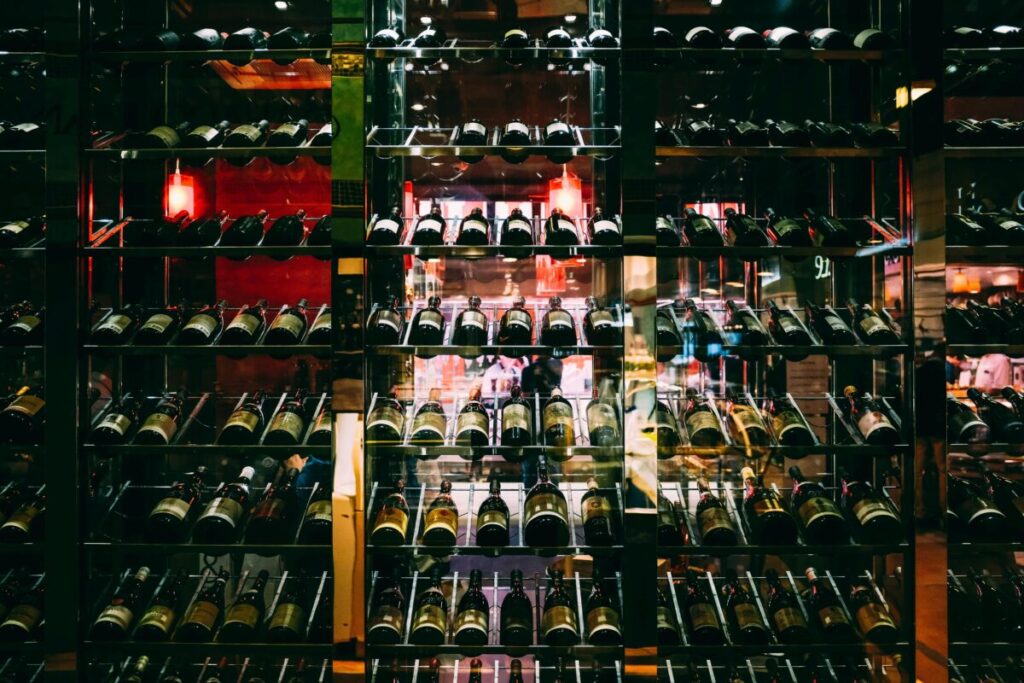
Start not with specific wines, but with styles. There are not that many: light and full-bodied whites, light and powerful reds, rosé, sparkling, and sweet wines.
The easiest way to describe any wine is by a few basic characteristics:
- color — white, red, or rosé;
- sweetness — from dry, with almost no residual sugar, to dessert styles;
- body — from light to full and rich;
- bubbles — still wine or sparkling wine.
Figure out what you prefer along these dimensions — for example, dry, light, and white — and the range of choices immediately becomes much narrower. Style matters more than a specific label because it is what most directly determines whether you will enjoy the wine.
Popular Grape Varieties
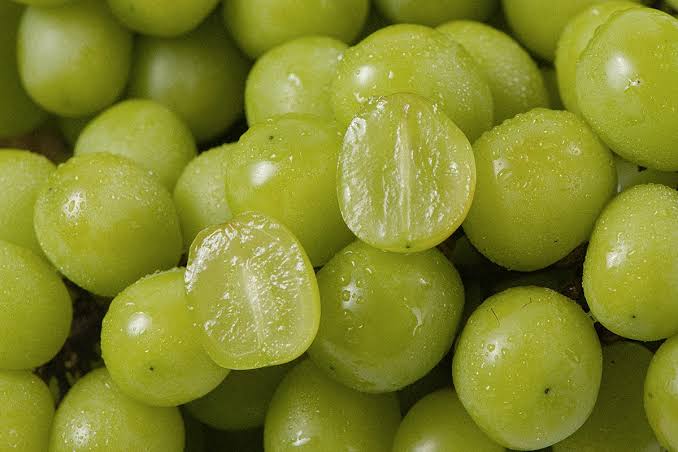
The grape variety largely shapes flavor, so it helps to remember a few key names together with their typical character. A short list is enough to get started:
Whites:
- Sauvignon Blanc — light and fresh, with high acidity and notes of citrus and herbs;
- Chardonnay — one of the most versatile grapes, ranging from fresh and citrusy when unoaked to creamy and vanilla-toned after oak aging;
- Riesling — aromatic, high in acidity, and made in both dry and sweet styles.
Reds:
- Cabernet Sauvignon — powerful and tannic, with blackcurrant notes;
- Merlot — softer and rounder, with plum flavors and an easy-drinking character;
- Pinot Noir — light and delicate, with red fruit and relatively low tannins.
Once you remember their typical profiles, the result is surprisingly useful. Knowing only a handful of varieties already lets you roughly predict flavor and move confidently toward less familiar grapes.
Key Wine-Producing Countries
Wine is often divided into the Old World and the New World, and this distinction immediately explains a great deal — both the style and the way labels are read.
The Old World includes France, Italy, Spain, and other classic European wine countries. Wines are often more restrained and earthy, and the label usually emphasizes the region rather than the grape variety. A knowledgeable buyer sees “Bordeaux” or “Chianti” and already understands what is likely to be inside.
The New World includes Chile, Argentina, the United States, Australia, and similar countries. These wines are generally fruitier and riper, and the grape variety is usually printed clearly on the bottle, which makes things much easier for beginners.
How to Develop Tasting Skills
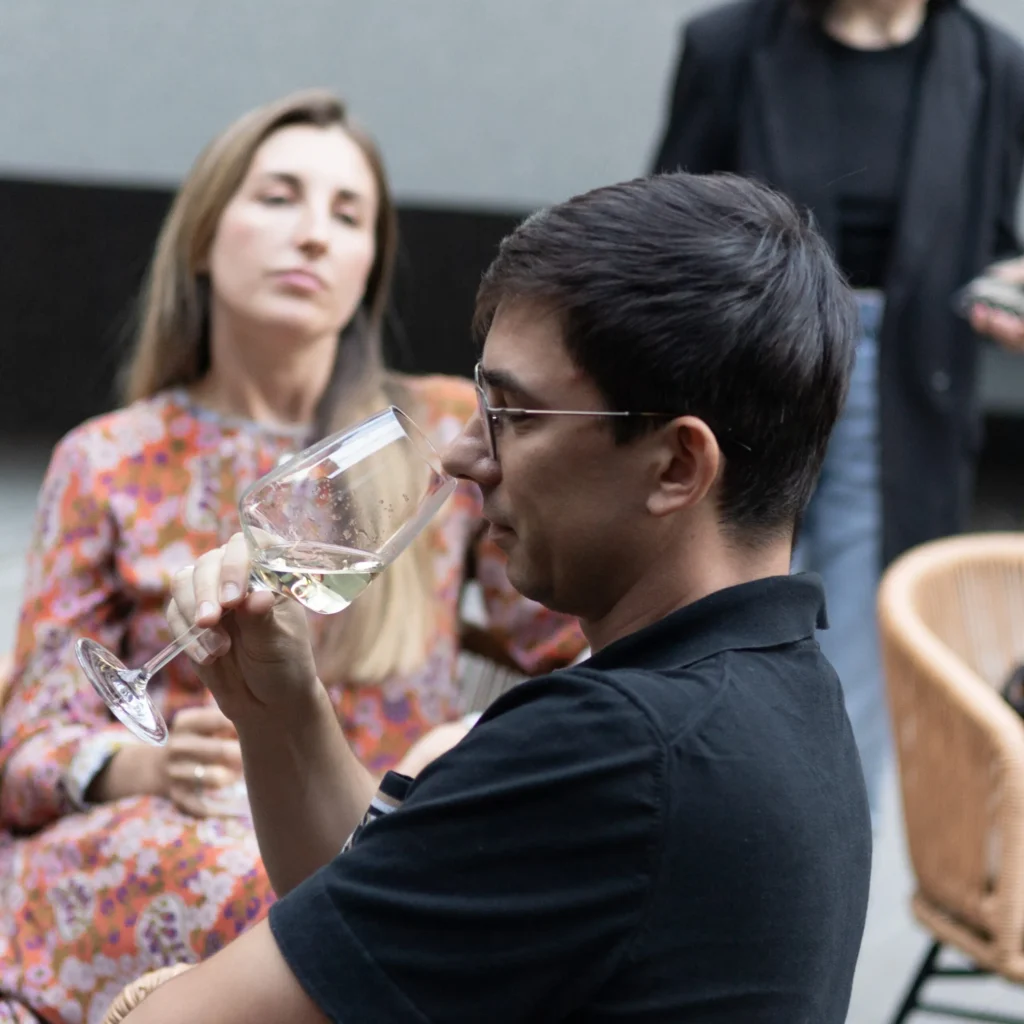
Theory without practice is almost useless, so it is worth tasting wine mindfully from the very beginning. Do not simply swallow it on the go — look, smell, and take time to taste.
Comparison works best. Take two different grape varieties, or the same grape from two different countries, and taste them side by side. Contrast makes the differences much easier to notice. It is also worth keeping short notes, because without them your impressions can fade within just a few days.
Progress is even faster when an experienced person is there to point out what to pay attention to at the right moment.
Which Books, Courses, and Resources to Use
There is a huge amount of wine information available today. The challenge is not to drown in it, but to build a simple set of useful resources.
Clear beginner-friendly guides are a great foundation, especially visual books such as Wine Folly. Apps with wine maps can also be useful for remembering regions.
There is one important limitation, though. Books and videos can teach theory, but they cannot train your palate. The most effective approach is to combine reading with real tastings, and even better, with structured courses where theory is immediately reinforced through practice under the guidance of a specialist.
How to Get Results Faster

Finally, here is how to avoid stretching the learning process over years. Progress depends on a few simple habits:
- do not learn passively — taste the wines you are reading about;
- compare wines side by side instead of tasting them in isolation;
- keep notes so your experience accumulates over time;
- practice a little, but regularly;
- do not chase perfection, because mistakes are part of the process.
And perhaps the biggest accelerator is feedback. When someone experienced corrects and guides you immediately, months of trial and error can shrink into just a few sessions. For those who prefer this path, training at a wine academy can be especially helpful. From there, wine stops being a mystery and becomes an understandable and genuinely enjoyable hobby.
Content: