

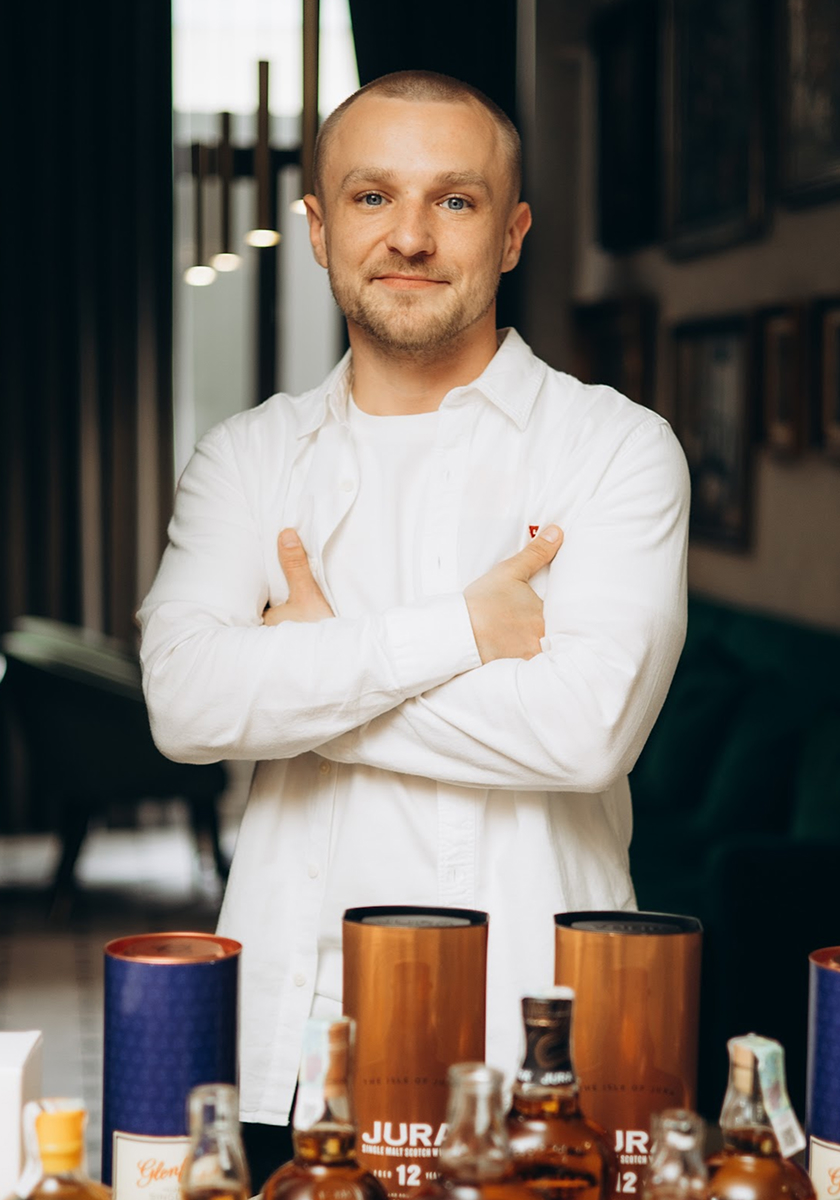
Matthew Tesov
Nice to Meet You!
A sommelier and wine expert with over seven years of experience in the wine industry, founder of Wine Academy, and author of courses that combine professional depth of knowledge with a relaxed, friendly atmosphere. Known simply as Matthew to his friends, he opens the door to the world of wine in such a way that every lecture or tasting becomes an exciting journey through aromas, flavors, and stories.
How to Choose Wine in Ukraine: Tips from a Sommelier
Do you always buy the same wine? The same Sauvignon Blanc or Malbec, over and over again? We know it’s a safe bet, but it can get boring. Many people wonder how to choose wine in Ukraine, but are afraid to take a risk and spend money on something they don’t like. So we’ll tell you how to choose a delicious wine so that you can finally try something new and not regret it.
What a bottle of quality wine should look like
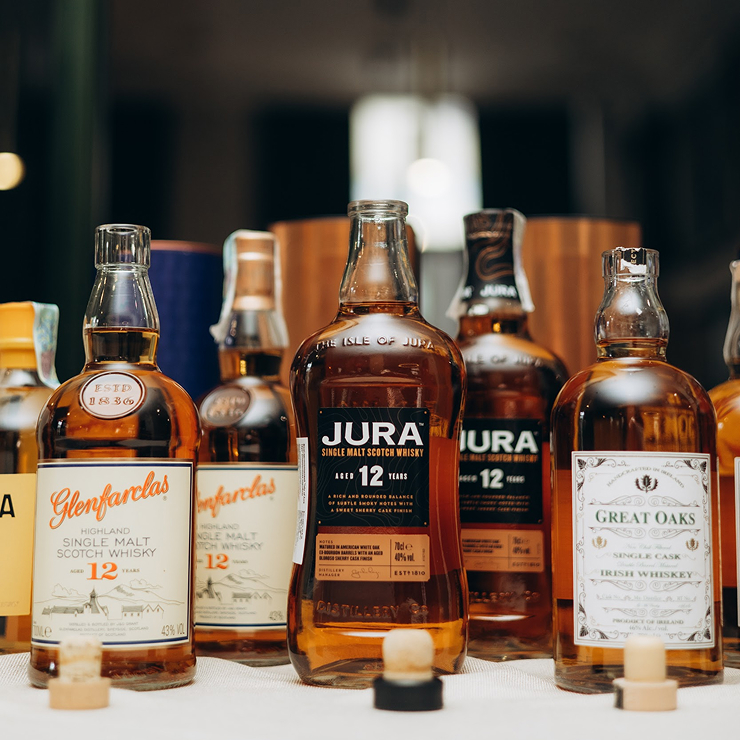
When choosing wine, you can learn a lot about it even before uncorking it. The bottle itself and its design are important clues on how to choose wine. The label should be neat, evenly affixed, and undamaged. The information on it should be clear: the name of the producer, region, variety, and year of harvest. The presence of an excise stamp confirms legality, which is especially important if you are thinking about how to choose wine in Ukraine.
Pay attention to the color of the glass: dark green protects red wines from sunlight, while transparent glass is more often used for white and rosé wines. The type of closure is also important. Natural cork is the classic choice for long-term storage. However, there is no need to be afraid of screw caps; they are often even better for fresh white or rosé wines.
How to choose a good wine? It should be clear. A small amount of sediment is acceptable in old wines, but flakes or cloudiness are a bad sign. If you are wondering how to choose a delicious wine, avoid cloudy bottles. Also, check the level of the contents: the liquid should reach almost to the cork. If there is not enough wine in the bottle, air may have gotten in.
What the label says (and we can’t keep quiet)
The label contains key clues to help you distinguish a quality drink. The main rule is simple: look for specifics.
The most important marker is the place of origin, or “appellation.” It is worth looking for a narrow geography. For example, the name of the small village of “Margaux” in France promises more than just “Bordeaux.” Such small regions have very strict production rules.
Look for special quality marks on European wines. These are abbreviations that confirm the control of origin. In France, it is AOC (or AOP), in Italy – DOC and the higher category DOCG, and in Spain – DO or DOCa.
The label often features inscriptions such as “Mis en Bouteille au Château” (bottled at the castle) or “Estate Bottled” (bottled at the estate). This means that the winemaker grew the grapes and made the wine himself, controlling the entire process. The terms “Riserva” (Italy) or “Reserva” (Spain) mean additional aging.
Finally, look at the harvest year, or vintage. Its presence indicates that the wine is made from grapes from a specific year. This is preferable to simple table wines, which are often a blend of different vintages.
All these terms may seem complicated, but it is their in-depth understanding that we study in detail in the La Dilettante course, the program for which is available at https://matthewswine.com.
What the back label hides
Don’t ignore the back label. Producers often put the most useful information for the buyer there.
You can find a brief description of the taste and aroma there. For example, “notes of ripe cherry” or “fresh, with hints of citrus.” They also often give gastronomic advice there. You can immediately see which food this wine will go best with. This is a useful tip on how to choose wine for dinner and another secret on how to choose delicious wine.
Conditions in the store
Even the best wine can be spoiled. Therefore, quickly assess how it is stored on the shelf. This is a key aspect of how to choose wine in Ukraine.
Wine is a delicate product. It does not like two things: light and heat. Bottles should not be placed in direct sunlight or under bright, hot lamps. It is also bad if the room is too hot.
If the bottle is covered with a thick layer of dust, this is also a bad sign. This means that it has been standing for a very long time, and no one knows what conditions it was stored in before.
Price as a guide
And, of course, there is the question of price. This is the main dilemma when choosing a good wine. Price is not a 100% guarantee of quality, but it does give an important clue.
Very cheap wine is almost never complex and sophisticated. Simply not enough resources were spent on its production. It may be simple and not bad, but miracles are rare. On the other hand, the most expensive wine is not always what you need. Often you are paying for the rarity or prestige of the brand.
Look for balance. Good, quality wine usually starts in the mid-price range.
Combining all this knowledge — about the bottle, label, variety, and conditions — greatly increases your chances of choosing a truly excellent wine.
Content: