


Matthew Tesov
Nice to Meet You!
A sommelier and wine expert with over seven years of experience in the wine industry, founder of Wine Academy, and author of courses that combine professional depth of knowledge with a relaxed, friendly atmosphere. Known simply as Matthew to his friends, he opens the door to the world of wine in such a way that every lecture or tasting becomes an exciting journey through aromas, flavors, and stories.
How to Bring a Bottle of Wine to a Party and Look Like a Pro: Wine Etiquette Rules
An invitation to dinner almost always comes with an unspoken rule: you should not arrive empty-handed. Usually, we rush into the nearest supermarket, buy a familiar bottle of wine, and hand it to the hosts straight in the store’s branded bag. However, this ordinary ritual can easily be turned into a real display of expertise and style.
Bringing wine as a guest is not just about following a rule of etiquette. In fact, it is a great opportunity to show your taste, tact, and respect for the company.
What wine to bring as a guest so you do not go wrong
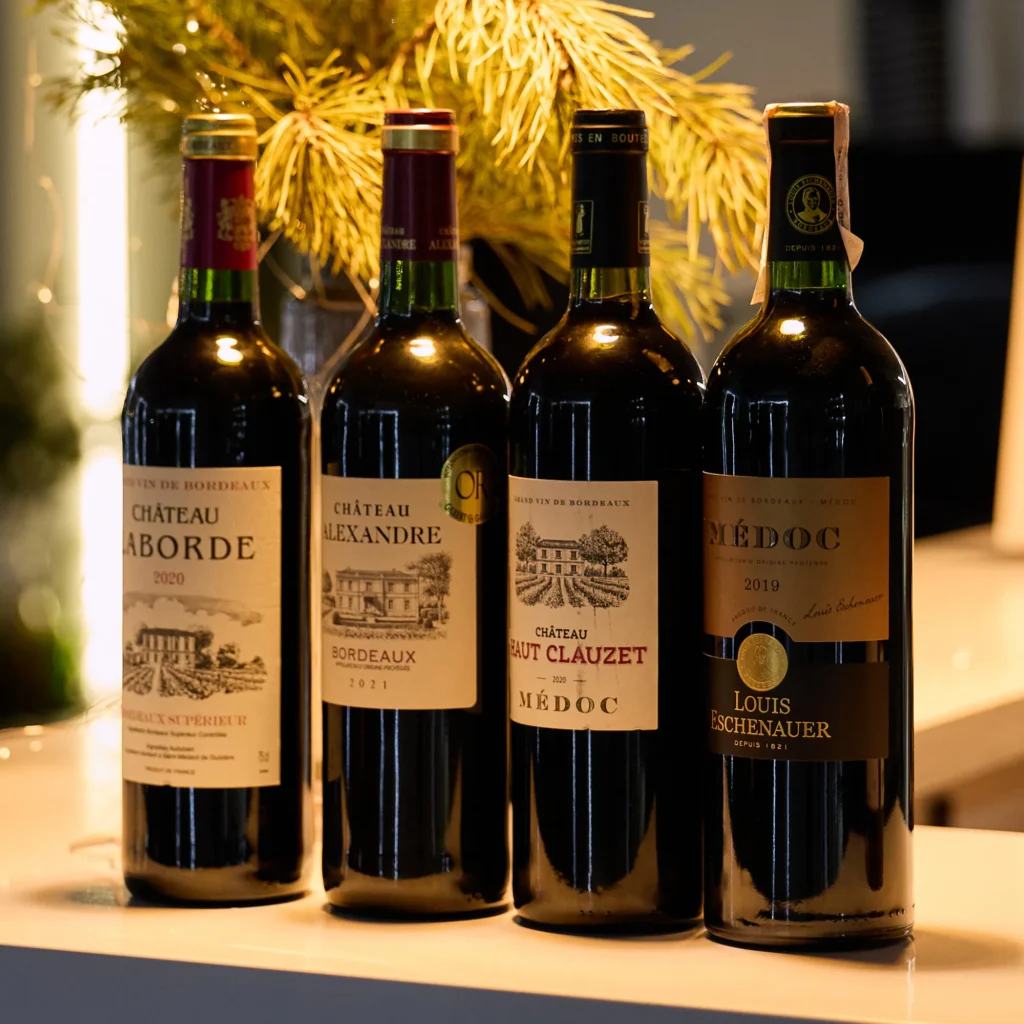
The main rule here is versatility. You are unlikely to know exactly what will be served at the table. It may be baked fish, steaks, exotic Asian cuisine, or simply light appetizers. In this situation, it is better to firmly avoid overly powerful, tannic, and complex red wines.
Instead, quality sparkling wine will be an absolutely safe choice. Classic Spanish Cava, elegant Italian Franciacorta, or basic Champagne will perfectly suit any beginning of the evening. They create a festive mood and pair easily with most dishes.
If you prefer still wines, choose versatile, food-friendly varieties. Crisp Riesling, fresh Sauvignon Blanc, or elegant Pinot Noir adapt beautifully to the context of the dinner and do not draw too much attention to themselves.
Temperature control: an invisible sign of expertise
Bringing a warm bottle of white or sparkling wine is a classic beginner’s mistake. The hosts will have to urgently look for space for it in an already packed fridge, and the guests will have to wait at least an hour. A true professional always thinks about temperature in advance.
Chill the drink at home. For transportation, use a special thermal wine sleeve that will keep the ideal temperature on the way to your friends.
As for red wine, the popular rule of “room temperature” no longer really works. Modern apartments are usually too warm for wine. That is why even a full-bodied red should be slightly chilled to sixteen or eighteen degrees before you leave home. At this temperature, it will reveal its bouquet in the most harmonious way.
Gift etiquette: do they have to open your bottle

This is where the most common social misunderstanding hides. When you give someone wine, it immediately becomes the property of the hosts. They are absolutely not obliged to uncork it that same evening. It is entirely possible that they have already planned their own wine pairing for the dishes and prepared suitable drinks.
So never insist on an immediate tasting of your gift. To avoid awkward pauses, you can gently clarify your intention right away. Say, “This is for a special evening sometime later,” or, on the contrary, ask, “I brought a fresh Riesling. Do you think it would work with tonight’s dinner?” This approach removes tension and shows that you understand the rules of etiquette.
How to turn intuition into confident knowledge
The ability to handle wine elegantly consists of dozens of small details like these. The deeper you immerse yourself in this culture, the easier it becomes to read the context of a situation and choose the perfect drinks for any company.
To freely navigate serving rules, temperature ranges, and unexpected food pairings, you need a strong systematic foundation. Professional sommelier courses can help you build it, as experts share not only dry theory, but also practical insights into restaurant service.
Content: