
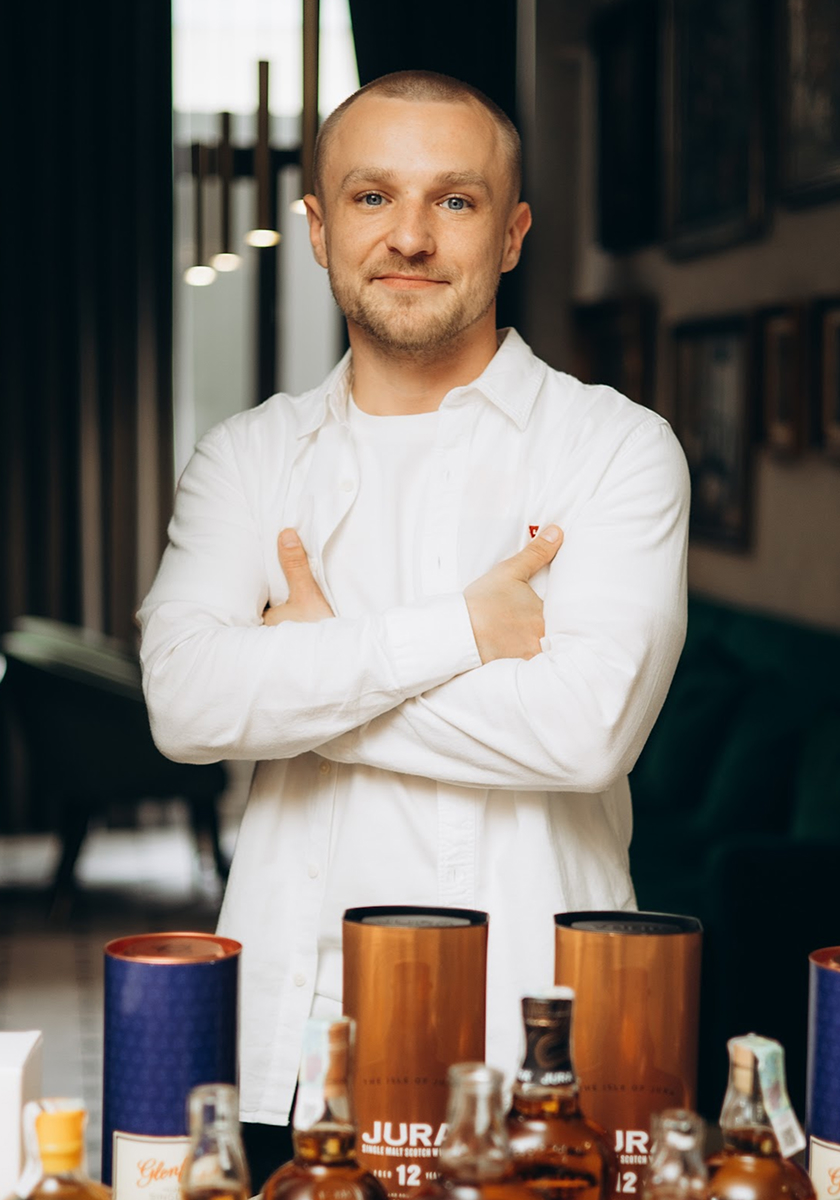
Matthew Tesov
Nice to Meet You!
A sommelier and wine expert with over seven years of experience in the wine industry, founder of Wine Academy, and author of courses that combine professional depth of knowledge with a relaxed, friendly atmosphere. Known simply as Matthew to his friends, he opens the door to the world of wine in such a way that every lecture or tasting becomes an exciting journey through aromas, flavors, and stories.
How Long Does It Take to Start Understanding Wine
Wine is one of the few drinks you can study for years and still keep discovering something new. That is why the question “how much time does it take to start understanding wine?” comes up for almost everyone who becomes seriously interested in the topic. In reality, the answer depends less on how many years you have spent with wine and more on what you mean by “understanding” it – and how systematic your approach is.
Where wine understanding begins
For one person, it means being able to choose a bottle in a shop that will not disappoint at dinner. For another, it means being able to discuss Burgundy terroirs. For a third, it means professional blind tasting.
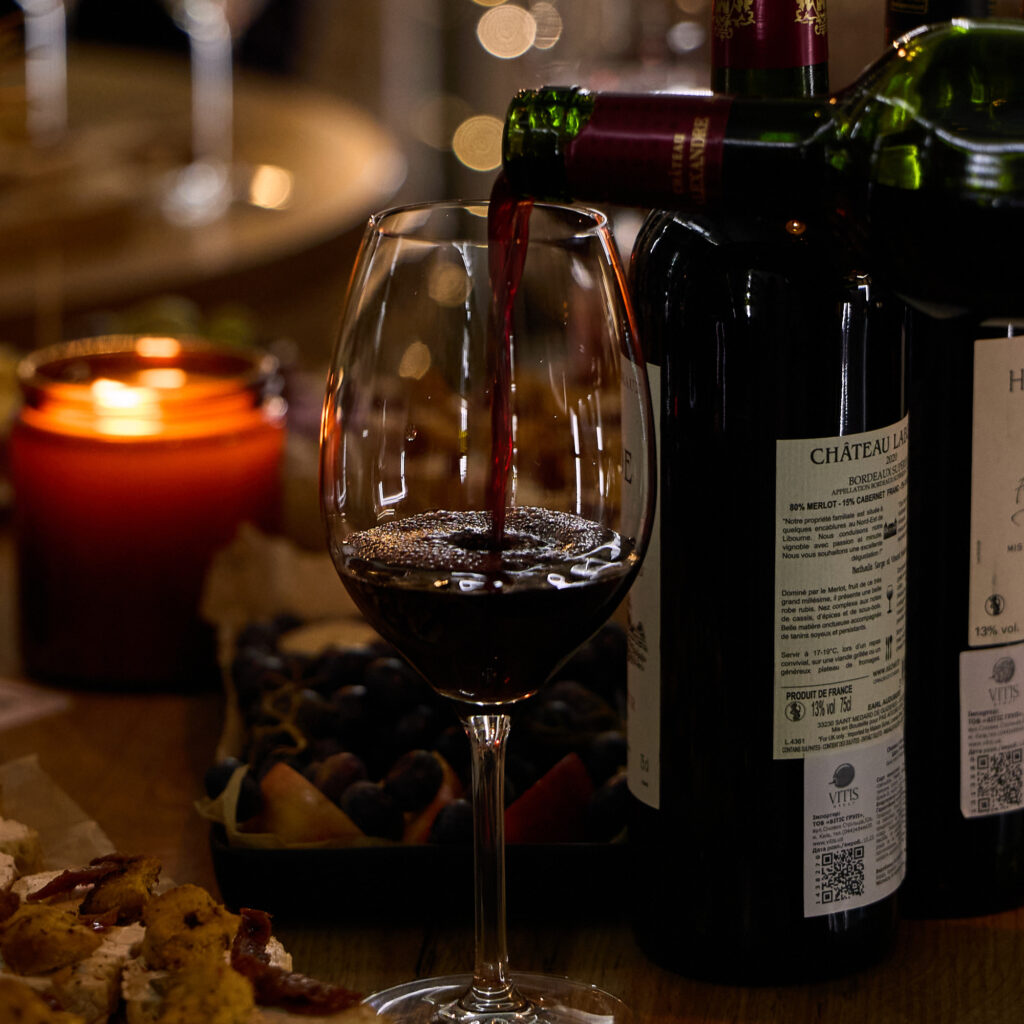
The first level is much easier to reach than many people think, while each next level opens the door to an even deeper enjoyment of the glass.
The first three months: learning to hear wine
In the first weeks, it is important to stop drinking wine automatically and start paying attention to taste, aroma, and sensations. A few simple practices can help with this:
- Taste the same grape variety from different regions, for example, Cabernet Sauvignon from Bordeaux, Chile, and California.
- Keep a short diary, write down notes about each wine, and always compare at least two bottles during one tasting. Remember: contrast teaches faster.
After just two or three months of this practice, you will learn to distinguish acidity, tannins, and body. Most importantly, you will understand which styles you enjoy most.
Six months to one year: the bigger picture comes together
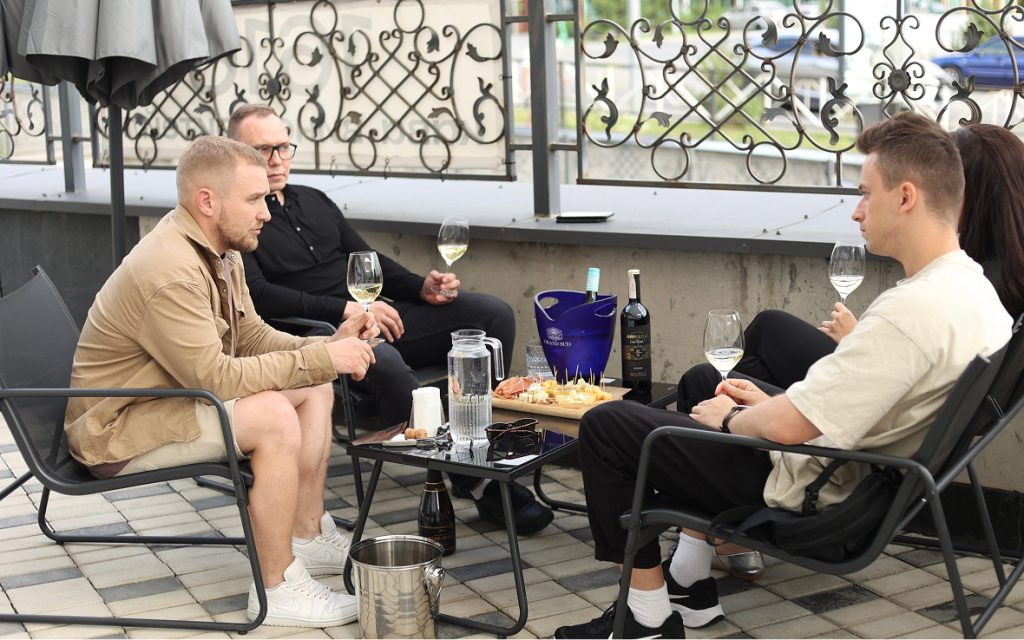
When first impressions turn into a system, the next stage begins. Labels become easier to understand, region names start to create specific taste associations, and the difference between the Old World and the New World becomes clear.
During this period, many people face a paradox: the more you learn, the more it feels like you know nothing. It is worth noting that this is a normal and even useful stage. Your brain is rebuilding its picture of the world, and temporary confusion means that you have grown.
At this stage, many people start thinking about structured education. If you want to go through this path without wandering blindly, it is worth considering a professional format, such as sommelier courses. They connect scattered knowledge into a system and save months, or even years, of self-study.
From one to three years: the level of a confident enthusiast
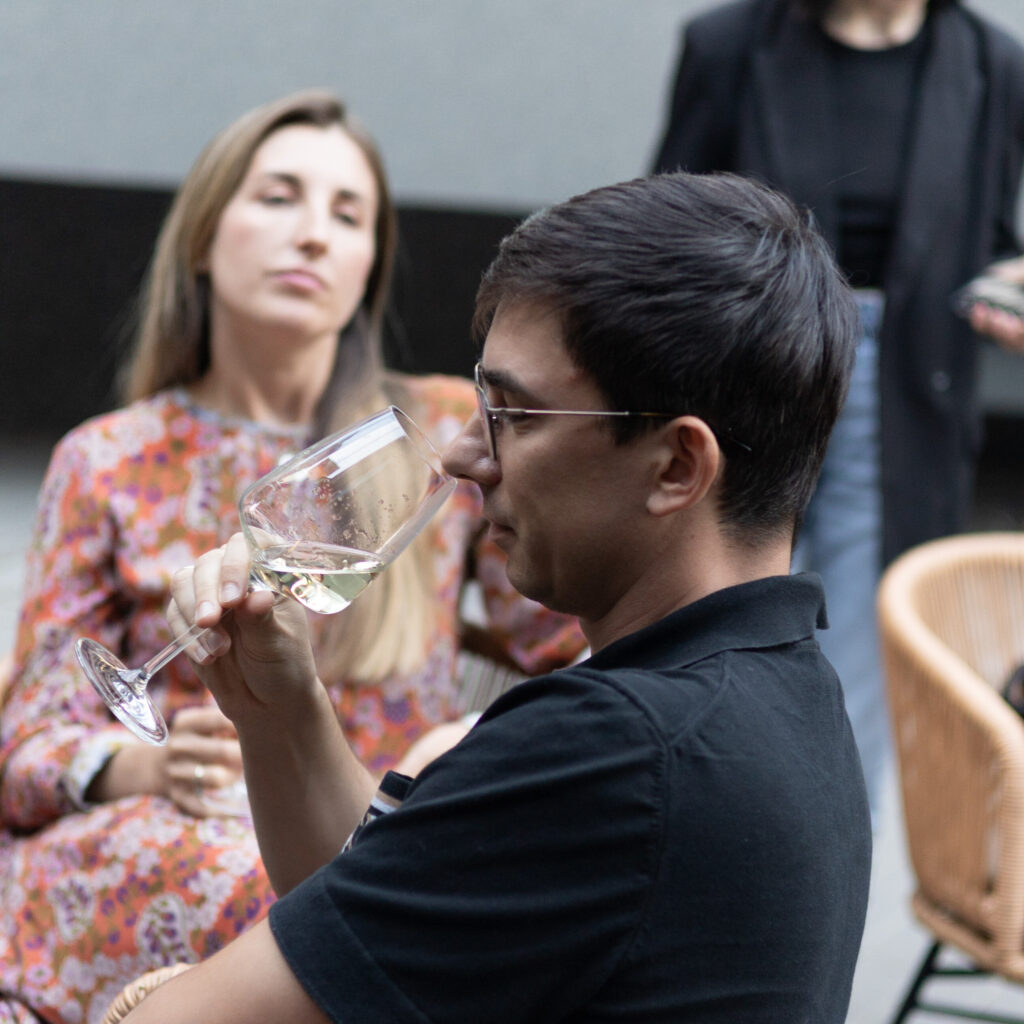
As a rule, after one and a half to two years of regular practice, conversations about wine stop feeling difficult. You can confidently choose a bottle for dinner, navigate a restaurant wine list, and understand the value of a drink. In blind tastings, you can usually identify at least the grape variety, and often the region as well.
This is the level where most wine lovers stop, and it is a completely natural point.
Professional level: a lifelong journey
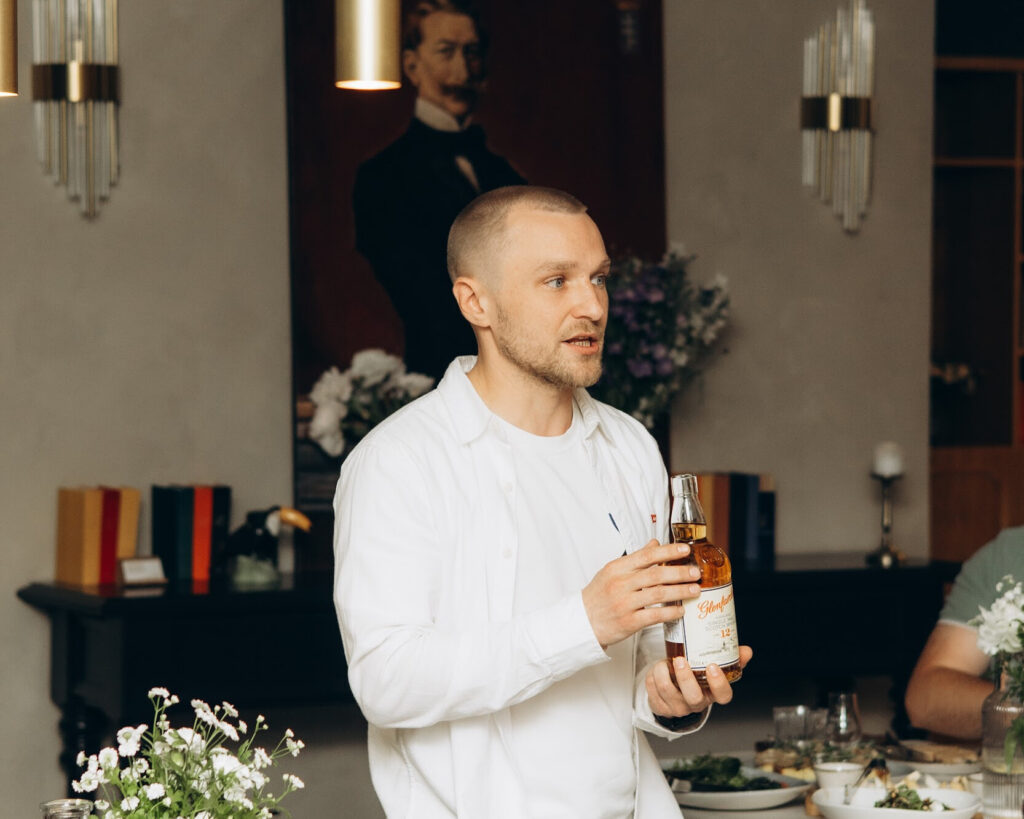
However, those who want to go further face a completely different distance. Becoming a certified sommelier, wine critic, or expert takes years and even decades of work. At this level, tasting skills are combined with knowledge of agronomy, chemistry, geography, history, and gastronomy.
Professionals taste thousands of wines every year and continue learning throughout their lives, because wine is too diverse to be studied completely.
Conclusion
So, understanding wine is first and foremost a process – and that is exactly what makes it beautiful. Tasters with thirty years of experience honestly admit that they still find something unfamiliar in almost every new glass, and this is why they continue doing what they do with the same enthusiasm.
So do not wait for some magical moment when you finally start understanding wine. You already understand it from the very first sip you take consciously. From there, the road leads only one way: deeper, more interesting, and more delicious.
Content: