

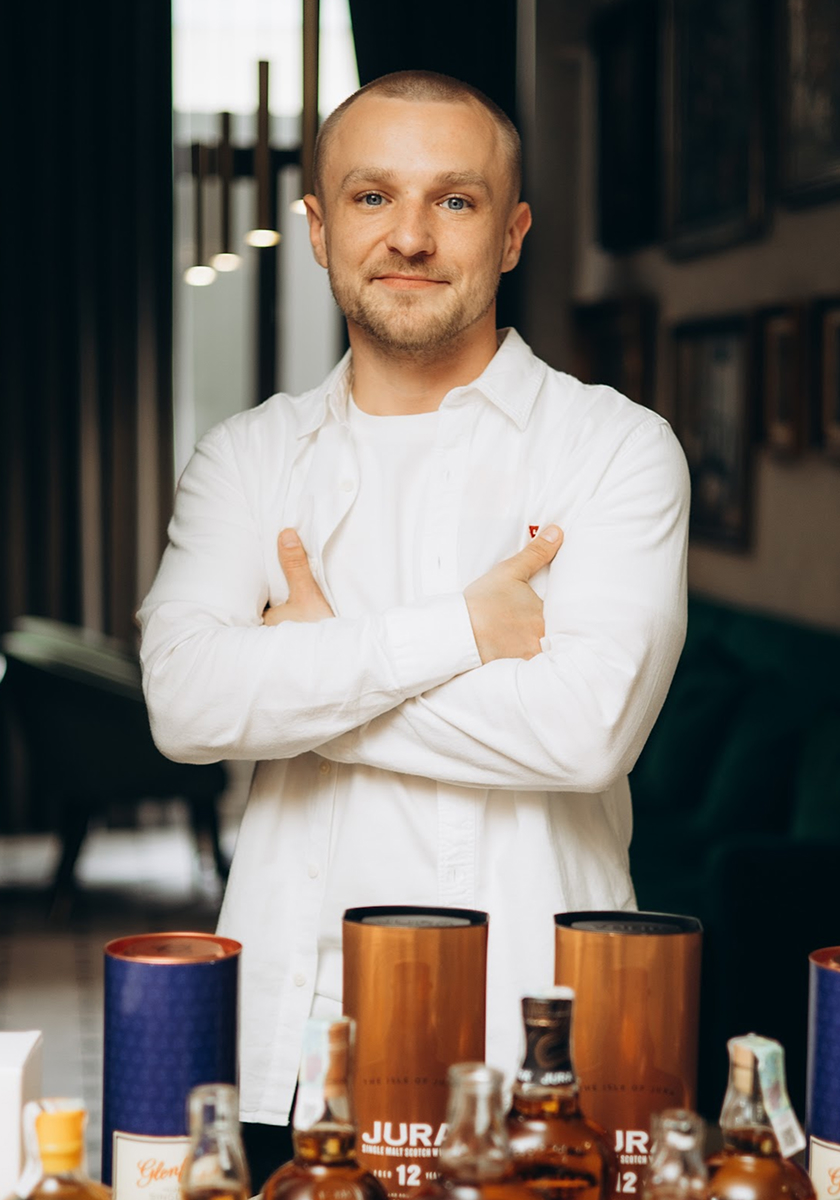
Matthew Tesov
Nice to Meet You!
A sommelier and wine expert with over seven years of experience in the wine industry, founder of Wine Academy, and author of courses that combine professional depth of knowledge with a relaxed, friendly atmosphere. Known simply as Matthew to his friends, he opens the door to the world of wine in such a way that every lecture or tasting becomes an exciting journey through aromas, flavors, and stories.
Is There Any Point in Training to Become a Sommelier If You Don’t Work in a Restaurant
For a long time, the profession of a sommelier was associated exclusively with working in fine dining restaurants: a black vest, a silver tastevin on a chain, and the ceremonial presentation of a bottle at the guest’s table. But in recent years, more and more people have been taking wine courses without planning to change their profession or work on the restaurant floor at all. This raises a logical question: why do they need all this, and is there any practical value in such training if working in a restaurant is not part of the plan?
What sommelier courses teach: program and skills

According to the standards of international schools such as WSET, the Court of Master Sommeliers, and sommelier associations, training is built around four key areas:
- wine theory;
- systematic tasting;
- food pairing;
- working with a wine list.
Even the basic WSET Level 2 includes around 70 grape varieties and more than 20 wine regions.
What a standard program includes:
- ampelography and the characteristics of key grape varieties;
- wine regions of the Old and New World with an overview of appellations;
- production technology for still, sparkling, fortified, and dessert wines;
- the Systematic Approach to Tasting (SAT), with assessment based on 10–15 parameters;
- principles of pairing wine with dishes from different culinary traditions;
- basics of storage, decanting, and serving.
This amount of knowledge cannot be collected from YouTube or online articles.
Who sommelier training is suitable for

Even if you never approach a guest with a bottle in your hands, sommelier knowledge works for you all the time. You stop overpaying for wine because you understand the real value of a bottle and can see marketing markups. You can confidently navigate the wine list in any restaurant and no longer depend on the waiter’s mood. Choosing wine for dinner at home or for a gathering with friends turns from a lottery into a conscious decision.
This is why sommelier training today is chosen not only by HoReCa professionals, but also by entrepreneurs, travelers, and collectors – people for whom wine has become part of their lifestyle.
What to choose: a short course or a full program

The modern wine education market offers formats for different goals. A basic wine course is enough for general understanding. For deeper immersion, extended programs with more theory and tastings are a better fit. And for those considering a professional career in the wine industry, there are international certification levels.
Studying to become a sommelier without plans to work in a restaurant is a meaningful decision. It is an investment in your outlook, practical skills, and confidence in situations where a glass appears on the table. Sommelier knowledge does not become outdated and does not depend on the job market, while the topic itself is too broad to study without a system.
Content: