

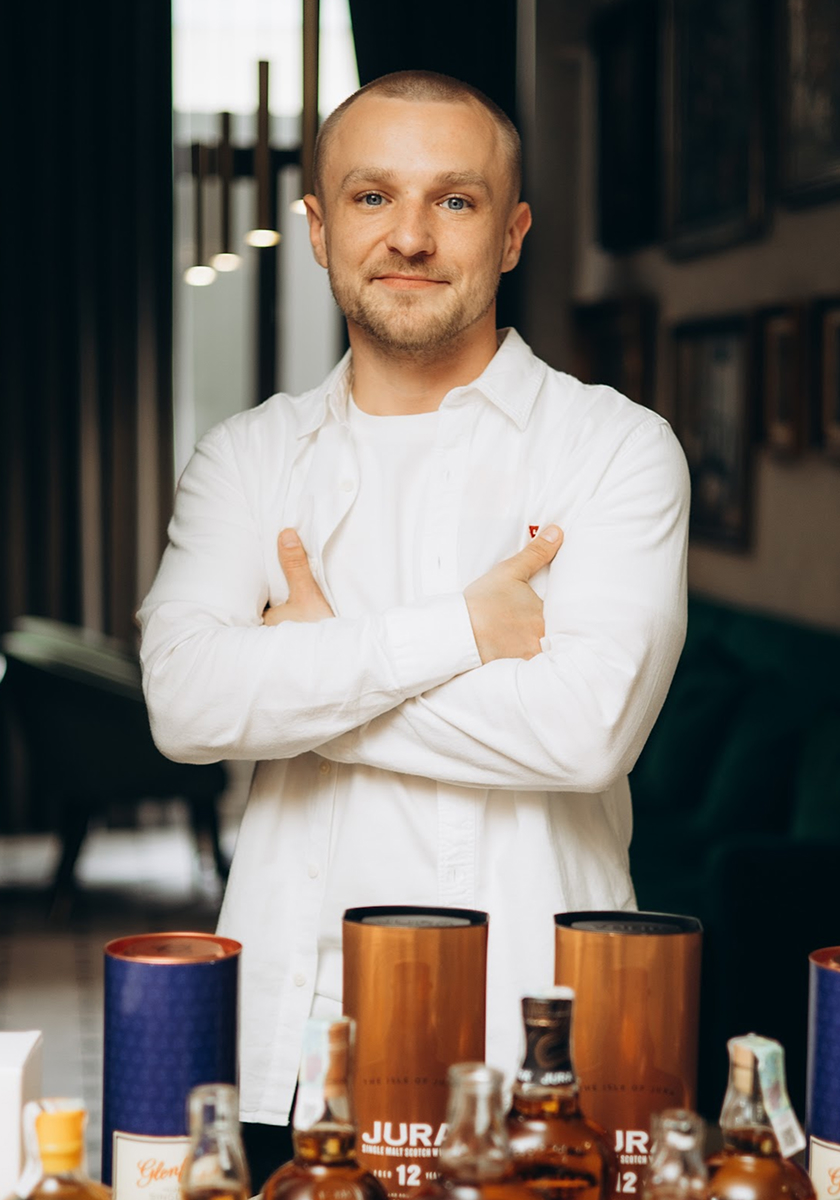
Matthew Tesov
Nice to Meet You!
A sommelier and wine expert with over seven years of experience in the wine industry, founder of Wine Academy, and author of courses that combine professional depth of knowledge with a relaxed, friendly atmosphere. Known simply as Matthew to his friends, he opens the door to the world of wine in such a way that every lecture or tasting becomes an exciting journey through aromas, flavors, and stories.
More Than Talent: What a Sommelier Needs to Know to Become a Pro
It is widely believed that only people with special abilities can become professional sommeliers. But this is not an innate talent, but a complex system of skills that anyone can master. And this system is much deeper than it seems at first glance.
We will tell you what a sommelier really needs to know and why it is much more than just the ability to taste.
What makes a sommelier a true master

A sommelier’s knowledge begins with a deep theoretical foundation.
If we break down what a sommelier needs to know, first and foremost, it is geography and terroir. An experienced specialist knows the world wine map from A to Z. They understand the difference between Shiraz from Australia and Syrah from France, even though they are the same grape variety. A true sommelier knows the key regions, their climate, soils, and history. They understand the key grape varieties and their characteristics. They know the production technologies: how still, sparkling, fortified, or even orange wines are made.
And to organize all this information, a sommelier must be able to read the label correctly. For the average wine lover, it’s just part of the bottle, a pretty cover that attracts attention. But for a sommelier, the content of the label is a guarantee of quality and compliance with the law. This is a key part of what a sommelier does: he clearly knows that the abbreviations AOC, DOCG, or VDP stand for real requirements for soil, variety, and aging. This allows him to instantly assess the potential of a wine before it even reaches the glass.
From theory to practice: what a sommelier does in the dining room
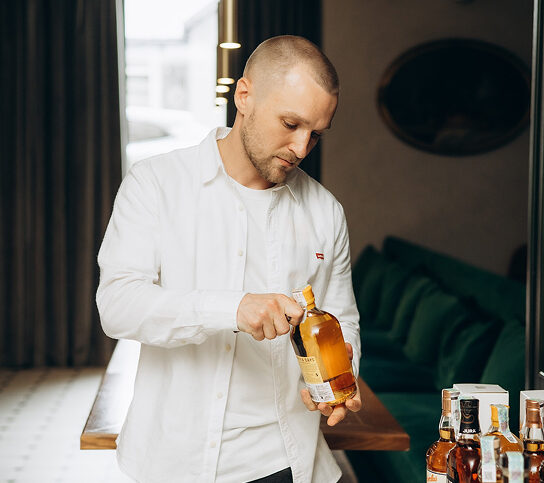
True mastery is revealed when the sommelier enters the dining room, because his knowledge should bring pleasure to the guest. This is exactly what it takes to become a high-class sommelier—the ability to apply theory.
A sommelier must understand the guest, their mood, expectations, and budget in a matter of minutes. They should not sell the most expensive bottle, but find the one that perfectly complements the dinner. This is where the ability to ask the right questions and explain complex things in simple language comes into play.
What a sommelier needs to know about serving wine
Once the choice has been made, the art of serving begins. The right glass, the right temperature, and careful opening of the bottle help to maximize the wine’s potential.
Part of this service is professional tasting. The sommelier tastes the wine first, not for effect, but for quality control. He checks that the drink has no defects, such as those caused by the cork. This is where he finally decides whether the wine needs to be decanted (poured) to oxygenate it.
Where to learn this and what you need for it
It is almost impossible to learn such a huge amount of information on your own from books or videos, because the main thing here is practice, tasting, and feedback from experts.
So what does it take to become a sommelier? First of all, structured education and a professional approach. This is exactly what the sommelier courses at Matthew Wine & Spirit Academy are for.
The academy’s professional approach is to help you not only learn the theory, but also develop your ability to analyze and taste. Check out the academy’s programs to choose the one that will best help you master these skills.
Content: