

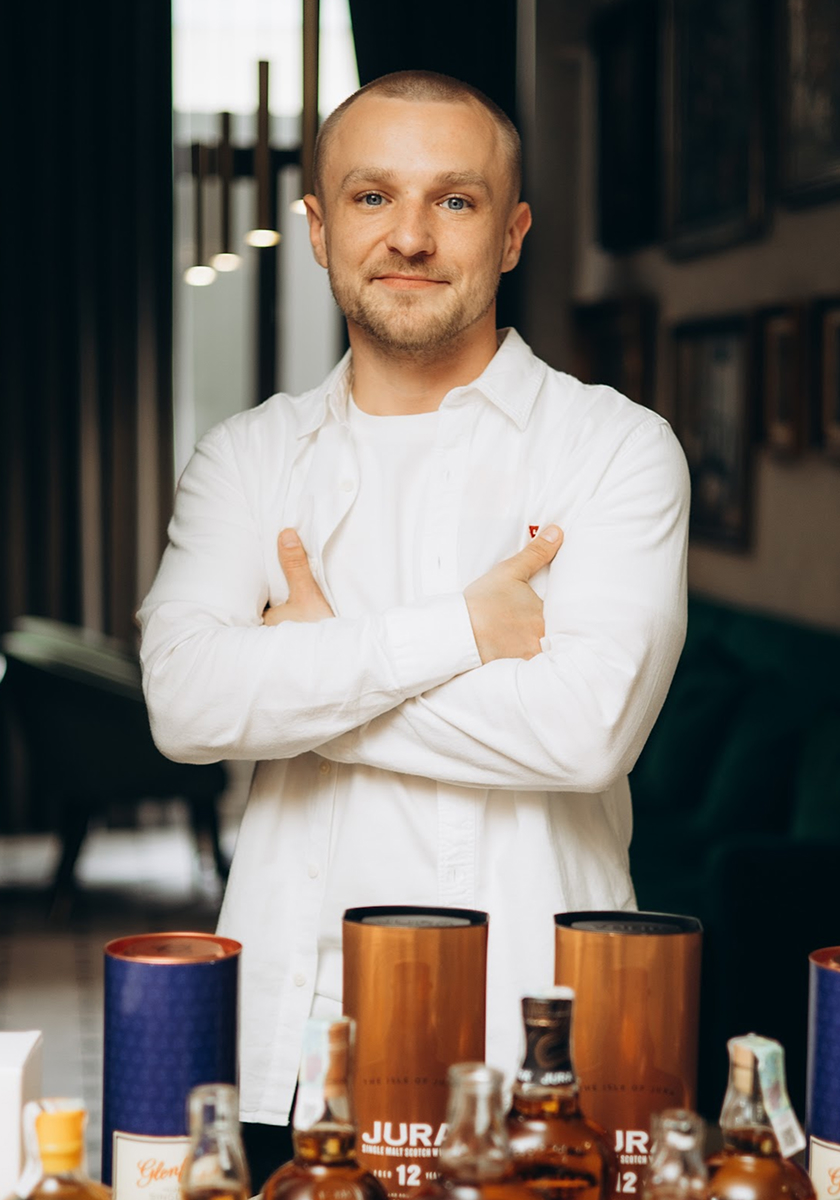
Matthew Tesov
Nice to Meet You!
A sommelier and wine expert with over seven years of experience in the wine industry, founder of Wine Academy, and author of courses that combine professional depth of knowledge with a relaxed, friendly atmosphere. Known simply as Matthew to his friends, he opens the door to the world of wine in such a way that every lecture or tasting becomes an exciting journey through aromas, flavors, and stories.
From a Poison Taster to an Expert: What Exactly Is a Sommelier?
You’ve probably heard the word “sommelier.” It sounds prestigious, elegant, and, let’s be honest, inextricably linked to expensive restaurants.
But who is this person really? Just a waiter who has taken additional courses? Or a person whose main task is to recommend the most expensive bottle on the wine list?
In fact, the profession of sommelier is much deeper and more complex than it seems. It requires not only a love of wine, but also knowledge, trained skills, and, yes, even business acumen.
So we decided to tell you who a sommelier is, where this profession came from, what they do (and don’t do), and how they differ from a cavista.
Who is a sommelier and where did they come from?
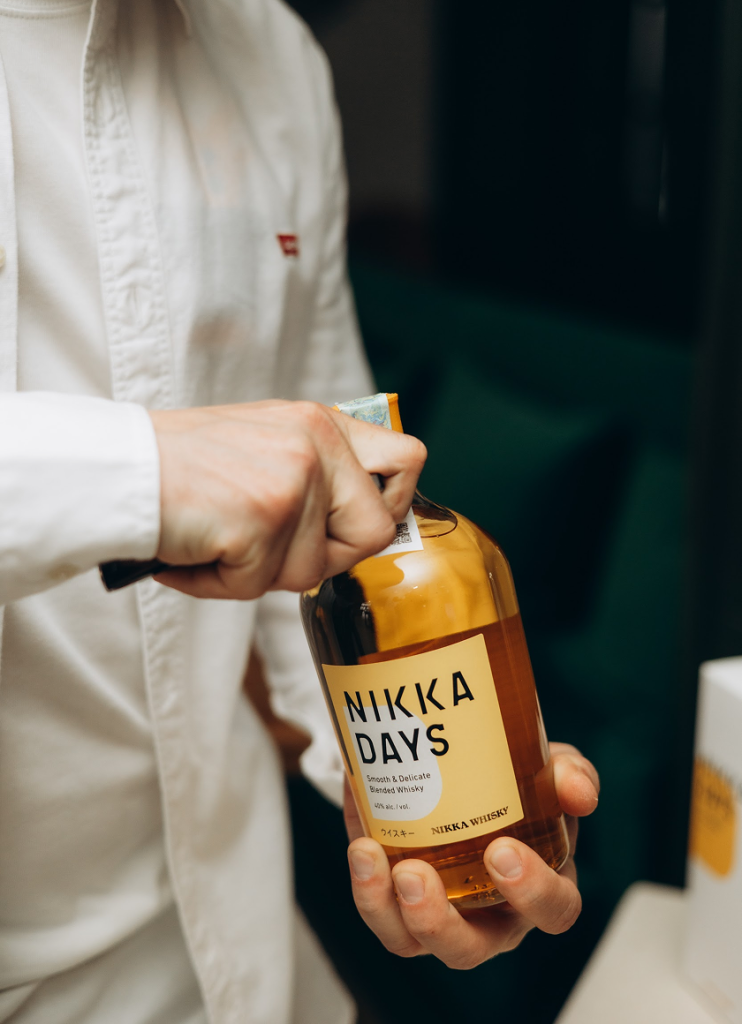
Simply put, a sommelier is a beverage expert in a restaurant. Their responsibilities often go beyond wine alone, extending to the entire bar: spirits, water, coffee, and sometimes even cigars. This is the first answer to the question of who sommeliers are in the modern sense.
But this was not always the case. This profession has deep roots, and it was not as romantic as it may seem.
Here’s an interesting fact: the very name “sommelier” comes from the Old French “sommerier.” And this word meant… “driver of pack animals.” Yes, yes, at first these people simply accompanied carts with supplies (and wine, of course) when the royal court moved somewhere.
Later, at court, this became the name given to the person responsible for the cellars. But their most important task was security. The sommelier was the first to taste the wine to check if it was poisoned. It was only in the 19th century, when the first restaurants began to appear in Paris, that the steward became the expert consultant we know today.
The main myths about the profession (and their debunking)
Since the profession of sommelier sounds so elite, it has, of course, accumulated a bunch of myths. Because of this, many people are afraid to call a sommelier in a restaurant. Others don’t even think about going to study because they don’t fully understand what a sommelier is. So let’s debunk the most popular assumptions.
Myth 1: You need a special natural talent
This is probably the main misconception. No one is born with the ability to distinguish between notes of leather or vanilla in wine. As in any profession, it is a skill. Believe me, your sense of smell and taste can be developed and trained through hundreds of hours of tasting and learning.
Myth 2: What a sommelier in a restaurant really is
Many people think that a sommelier is just a waiter who knows about wine. But that’s like saying that a chef is “just a cook.” A waiter knows the menu and service standards very well. A sommelier is responsible for purchases worth thousands of dollars, managing the wine cellar, training staff, and communicating with guests. Serving wine is only 10% of their actual work.
Myth 3: They drink constantly at work
This is probably the most common myth about sommeliers, and it always makes people smile. In fact, sommeliers do not drink, they taste. And these are two different processes.
During a professional tasting, wine is never swallowed, but always spat into a special bowl (spittoon). This allows you to evaluate dozens of samples while remaining completely sober and keeping your senses sharp.
Who are sommeliers, cavists, and oenologists: how not to confuse them and who to become
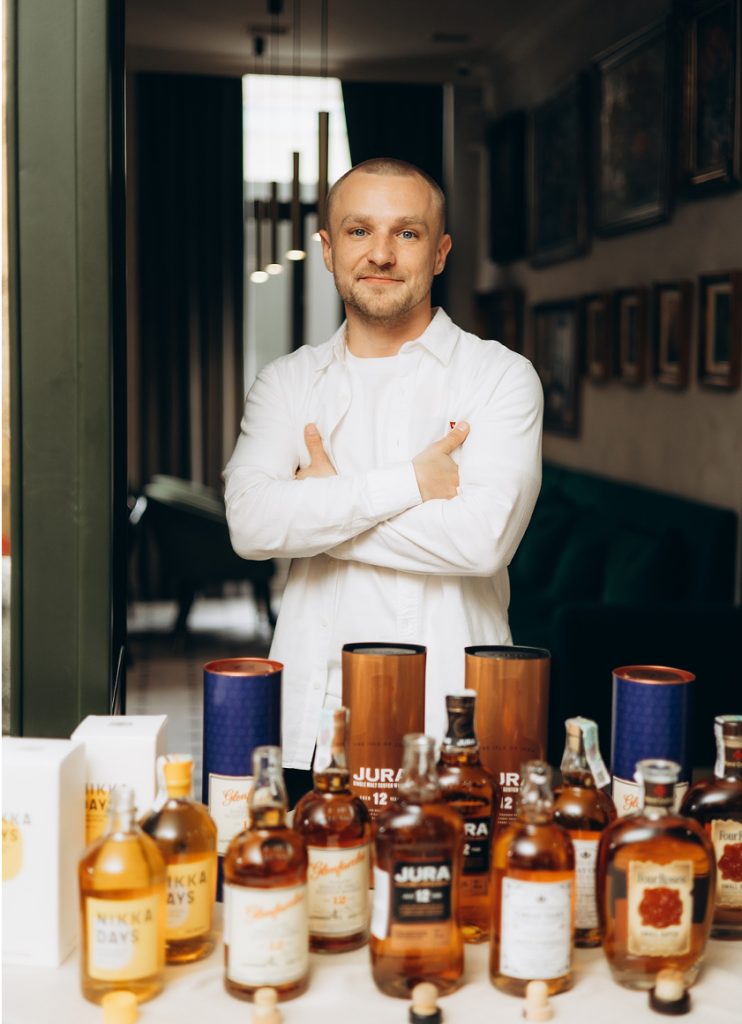
Now that we know who a sommelier is, it is important to clearly distinguish them from other related professions, with which there is often confusion.
- A sommelier is an expert who works in a restaurant. Their main task is to work with guests, provide service, pair food and drinks perfectly, and manage the establishment’s wine cellar. This is the answer to the question of who a sommelier is in a restaurant.
- A cavist is a consultant in a wine shop or boutique. They help you choose a bottle to take with you. They know the store’s assortment but are not involved in service.
- An oenologist is a technologist who works at a winery. They create wine and are responsible for the entire production process: from caring for the vineyard to bottling.
As you can see, these are three completely different roles. And if you are interested in what a sommelier really is, or you just want to start understanding wine on a deeper level, you will need a good educational foundation. That’s what Matthew Wine & Spirit Academy is for.
At our sommelier school, we focus on helping you develop your ability to analyze and taste. Check out the La Dilettante course program to take the first step and master these skills.
Content: